Ad Astra Production
-
We all want back what is lost…
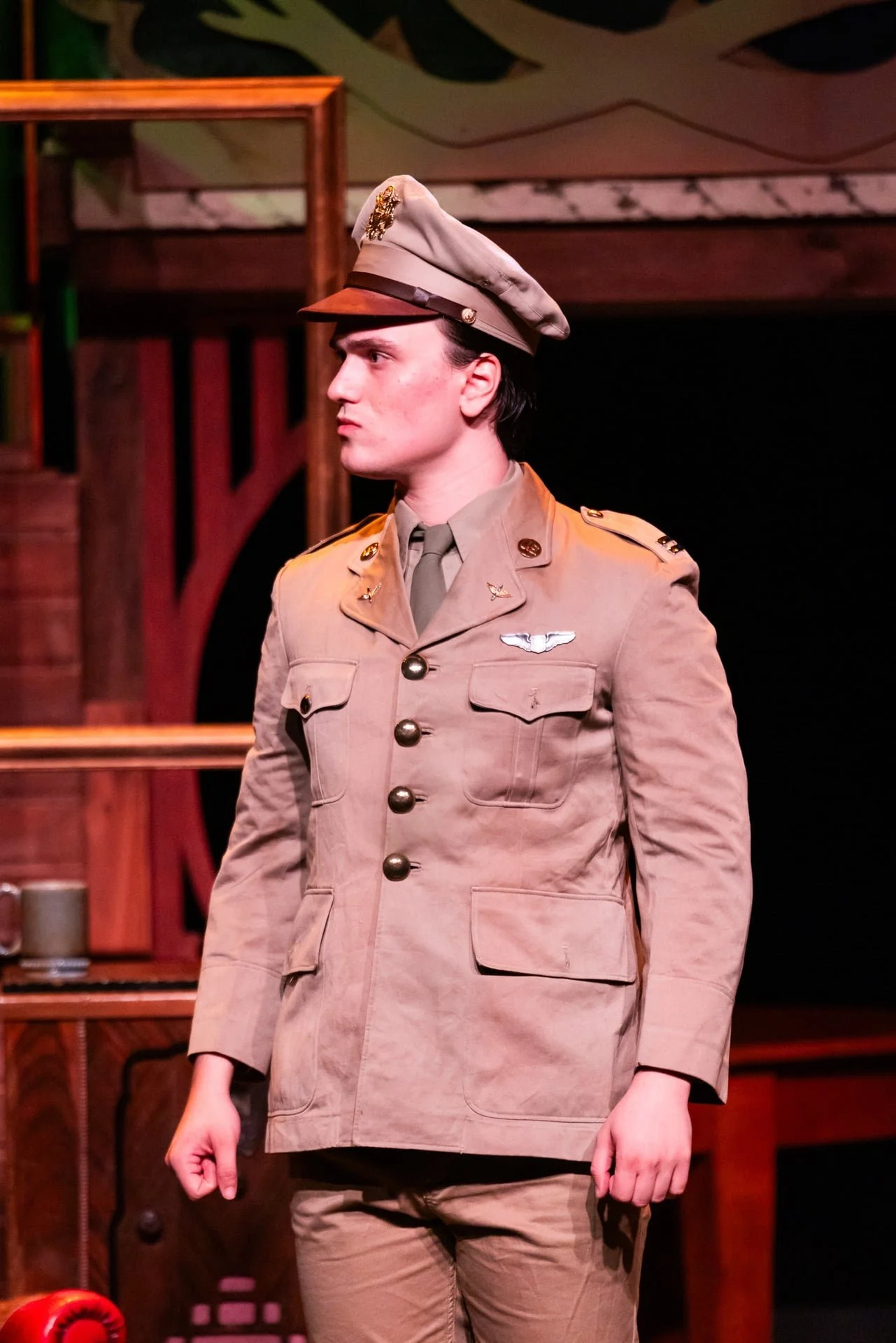
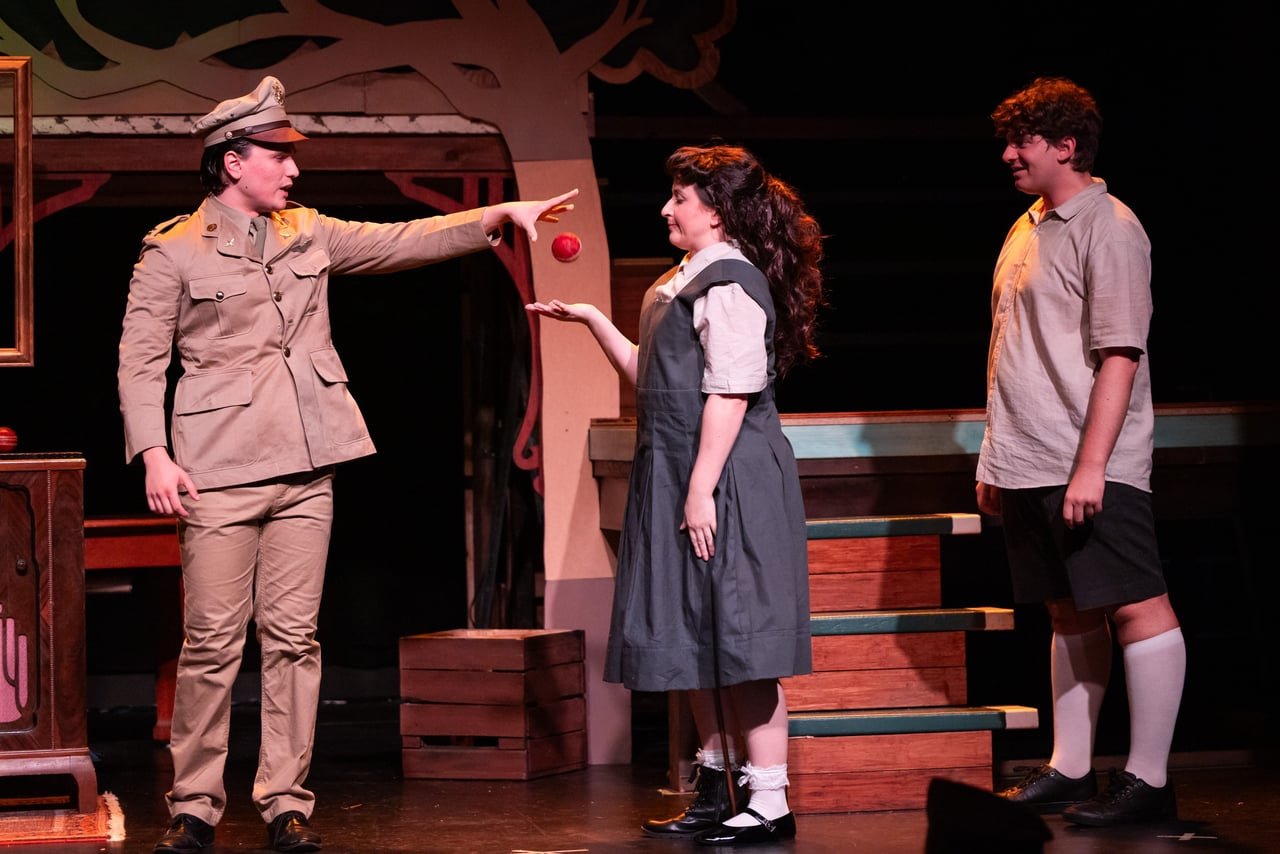
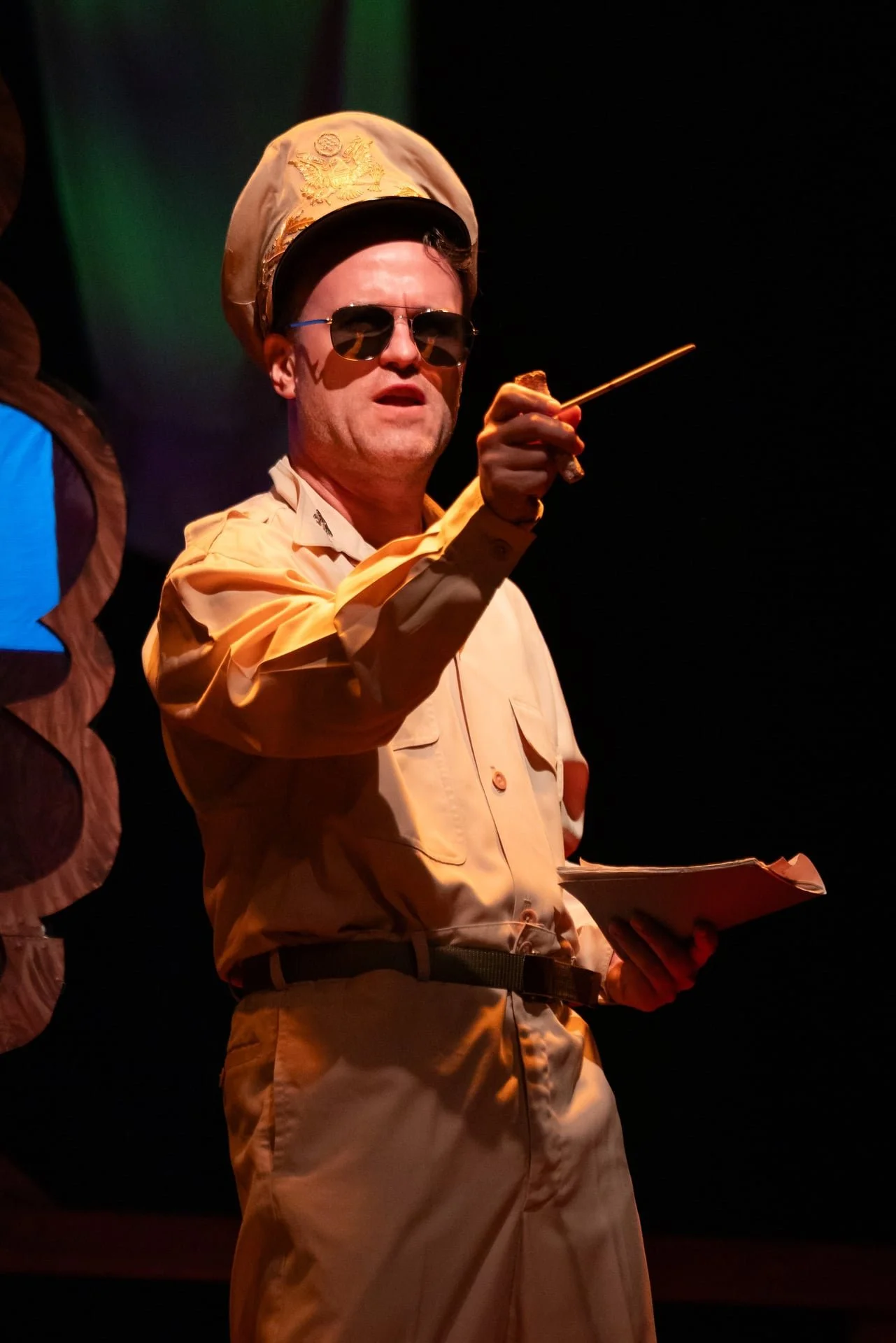
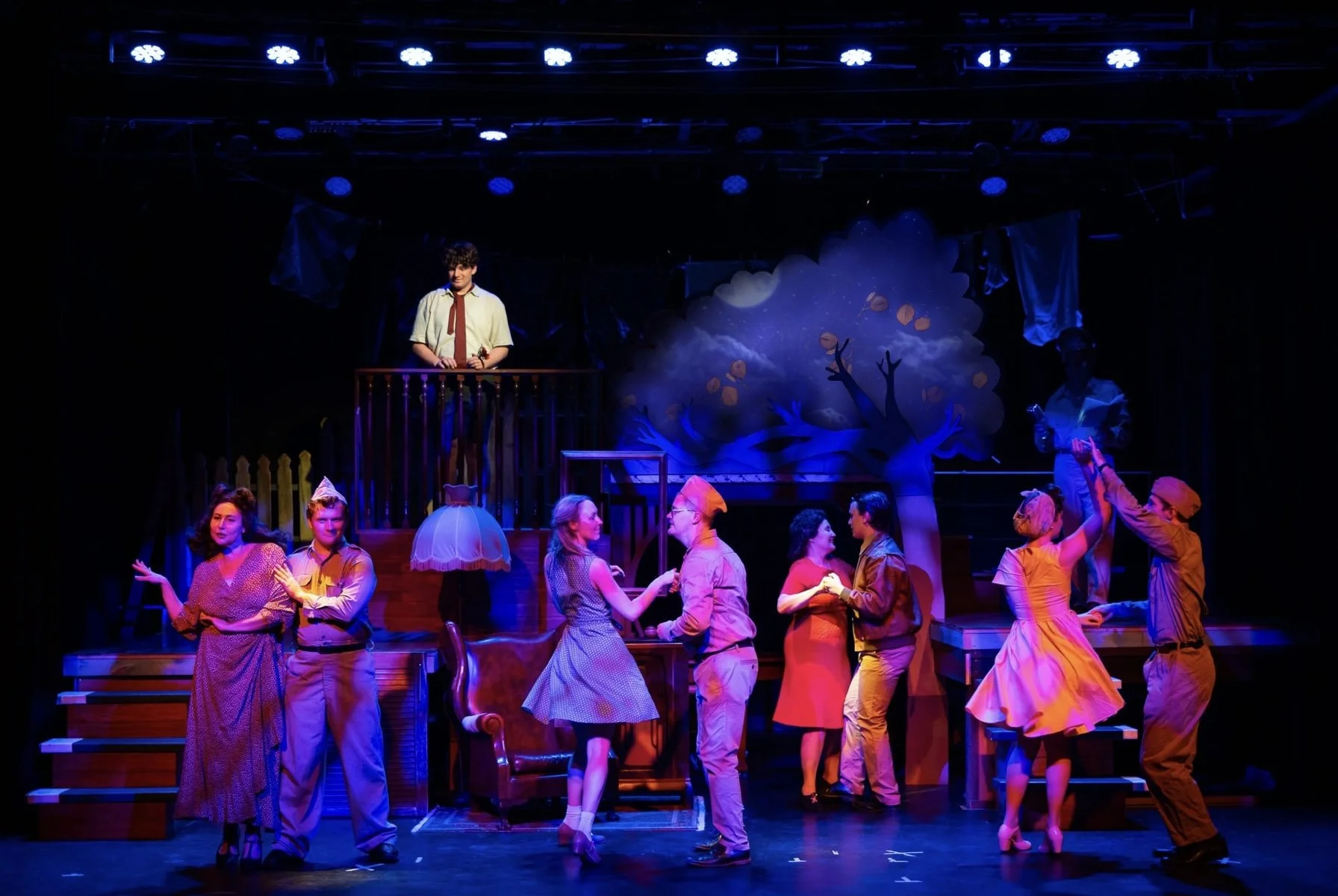
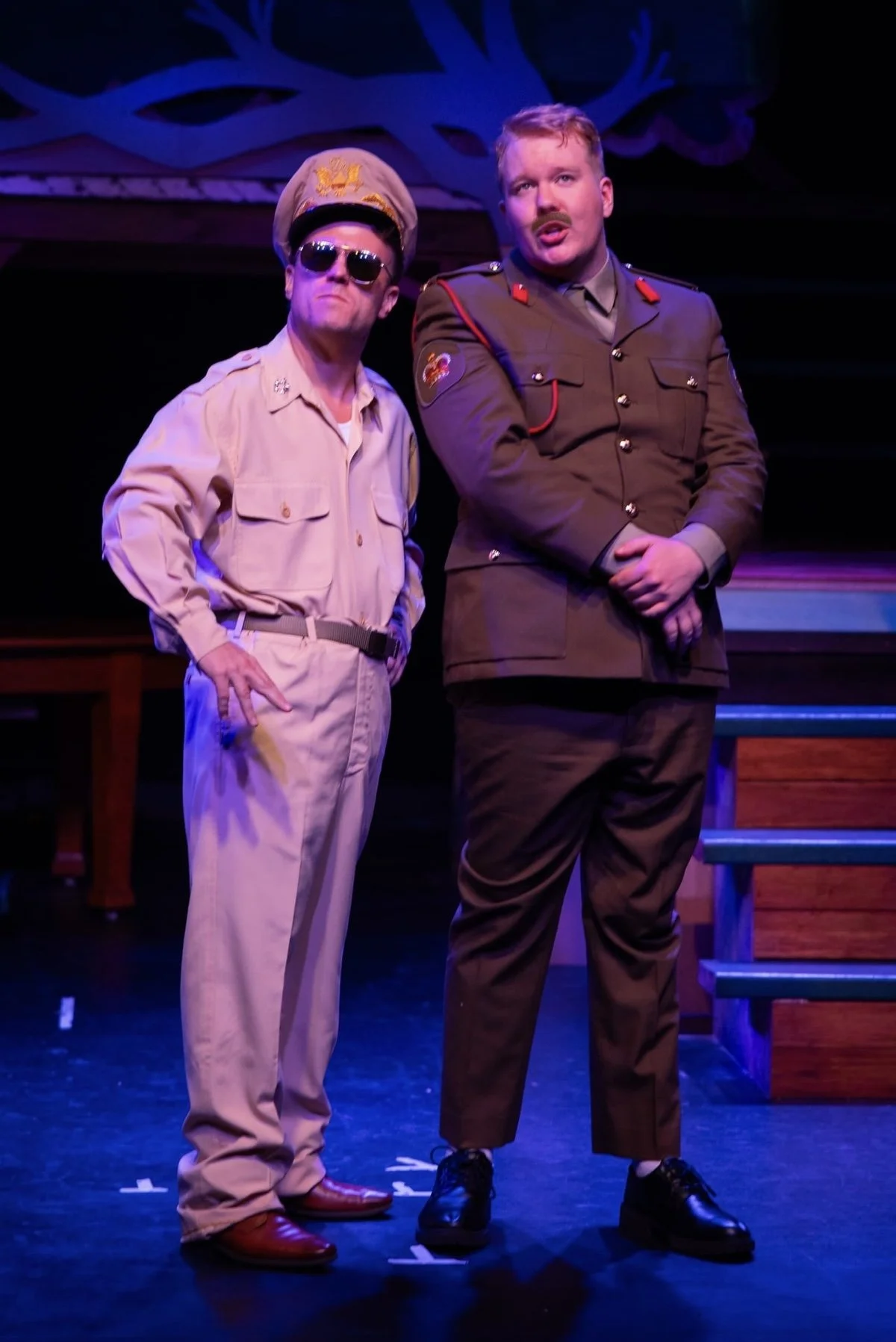
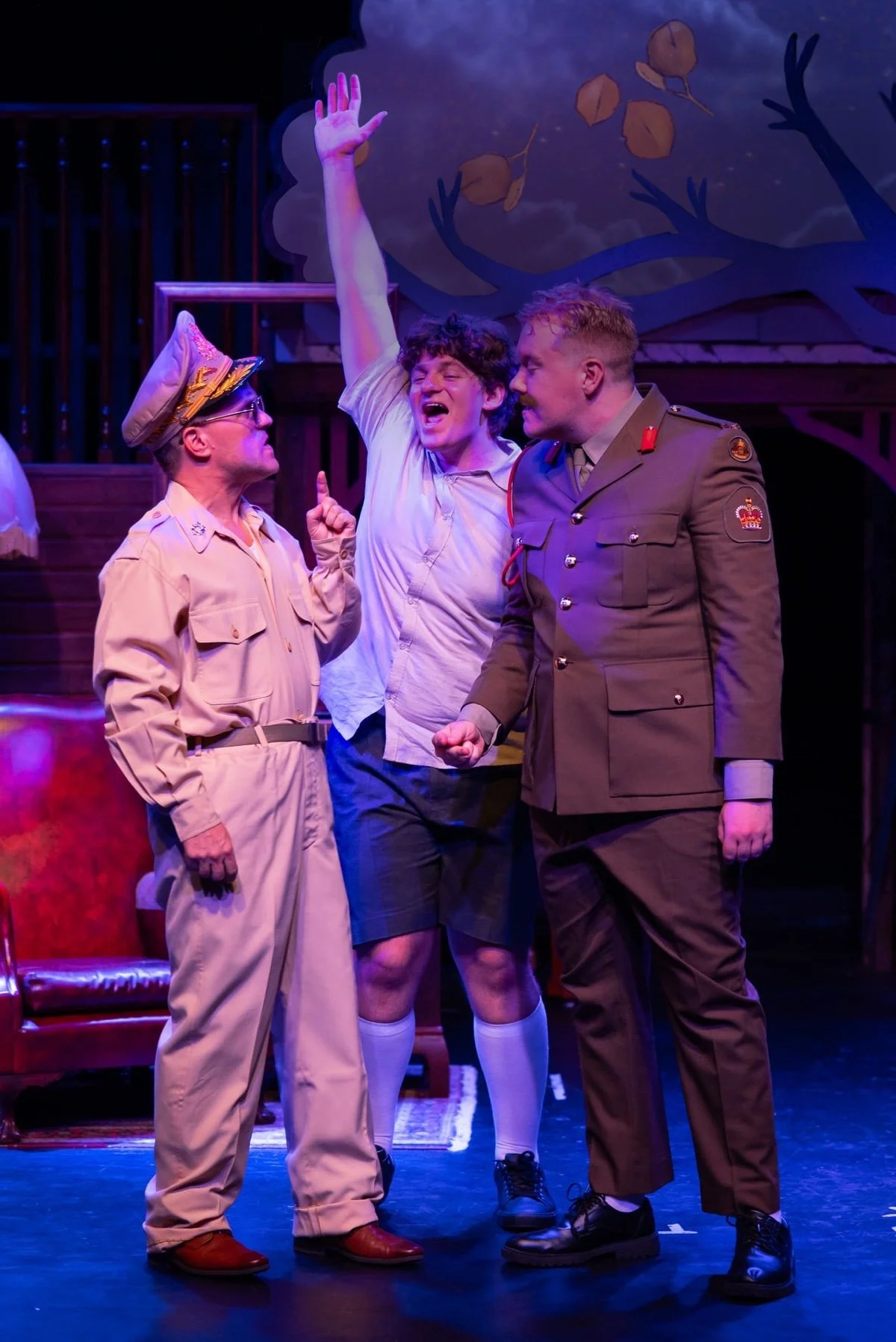
It’s 1942 and Danny Fisher is fourteen in Brisbane, a small country town that has recently been invaded by the American Armed Forces, under the command of General Macarthur, who has vowed to protect the Australian people.
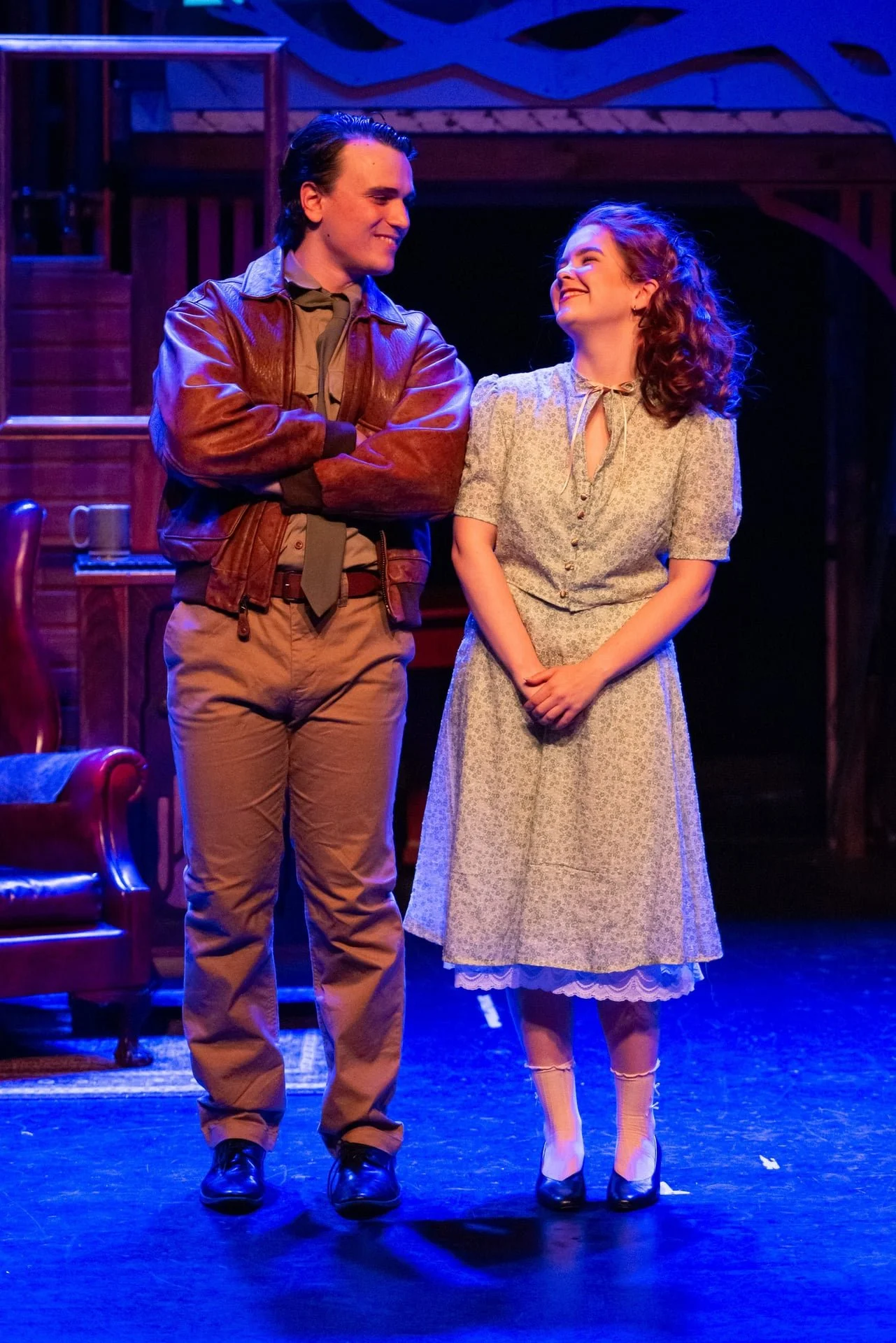
Danny faces “two obstacles on a daily basis. One: Entire countries that want to kill me. And two: The Cricket Boys on Mulvany Street.” He and his best friend Patty go through their adolescent trials with school yard bullying and sexual awakening in a city coming of age. His RAAF pilot brother, Frank, is killed in the bombing of Darwin and his family is torn apart. Then Danny meets an American pilot who seems identical to his dead brother and encourages his passion for flying. Then Danny hatches a dangerous plan.
Monash, Curtin, Macarthur, Australian soldiers, dance halls, riots and grief all make an appearance in this authentic Australian story.
In the forward to the current edition of Brisbane, renamed Danny Fisher, Iain Sinclair writes:
As I sat in the Playhouse at QPAC watching the opening night surrounded by Brisbanites, I knew that Ryan had written a remarkable love letter to his hometown, one that spoke in the special language of its people, to their humour and to their understanding of themselves. A letter that revealed the fault lines of their own history and challenged them to take the next necessary steps into a more courageous adulthood.
-
Theatre can be intimate and personal to its audience. It can evoke the grief and shell shock in collective memory with an immediacy available to no other art form.
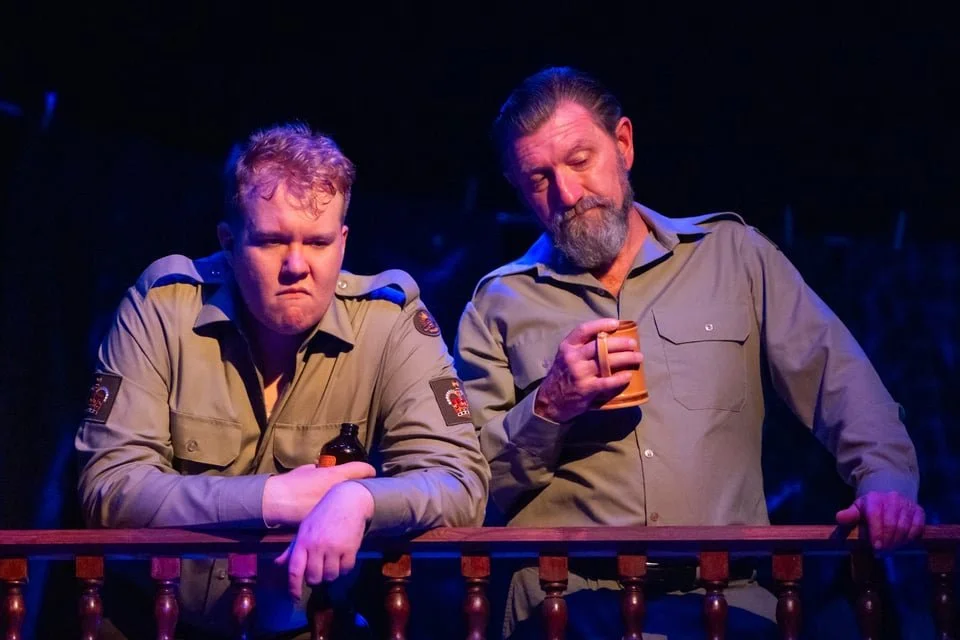
Matthew Ryan’s poignant, compelling script is personal for me and for many in our city, our country. Through our parents and grandparents we remember the global disaster and private mourning of the 1940s. If we are tempted to forget the sinking of the hospital ship, the Centaur, in Morton Bay in 1943, or the invasion by submarine of Sydney Harbour, this play assists recollection.
My mother told me of living through the Second World War, while at St Mary’s, Charters Towers, boarding school; of hearing the planes flying out to fight battles in the Pacific; of how the nuns would wake them early in the morning to pray for the men as they flew overhead. I know now that Breddan Airfield, a base for the US 38th Bombardment Group and RAAF aircraft repair, was located near her school. My father was in the Royal Australian Air Force in New Guinea where my uncle was shot in the leg in combat. My aunt married an American airman she met in North Queensland during the war and lived the rest of her life in America. Another aunt married a Rat of Tobruk.
This play is a very Brisbane story, a very Queensland story. The playwright notes in the published text:
Those stories have warmed my family's conversations for years. Stories are a bit like ghosts, ephemeral imprints of another time and place: It's impossible to truly capture the past, but we can always conjure its spirit.
How then do we do justice to these ghosts, to the text?
Coincidentally, but perhaps not unexpectedly, we play to a Brisbane audience, for whom the threat of countries invading other countries, while old alliances formed after World War II are at imminent risk, is real and current news. “Brisbane” is alarmingly relevant. We constantly hear of the re-emergence of generational xenophobia, of the attempt to justify genocide, of the grieving families and terrified children. All the more reason for a theatre company to tell the old stories well.
How, then, do we draw you right in, into the centre of the concentric circles of family, Brisbane and a World at War, with ten actors?
I commend to you, unequivocally, the Ad Astra artists, cast, crew, dancers, designers (costume, lighting, sound), set builders, lighting and sound operators and the whole production team, who have contributed their passion, talent, empathy and energy from day one to this process. Let me give my personal thanks to my valiant Stage Manager, Chloe Rose, and unstoppable Assistant Director, Stacie Hobbs. Much is required of our team.
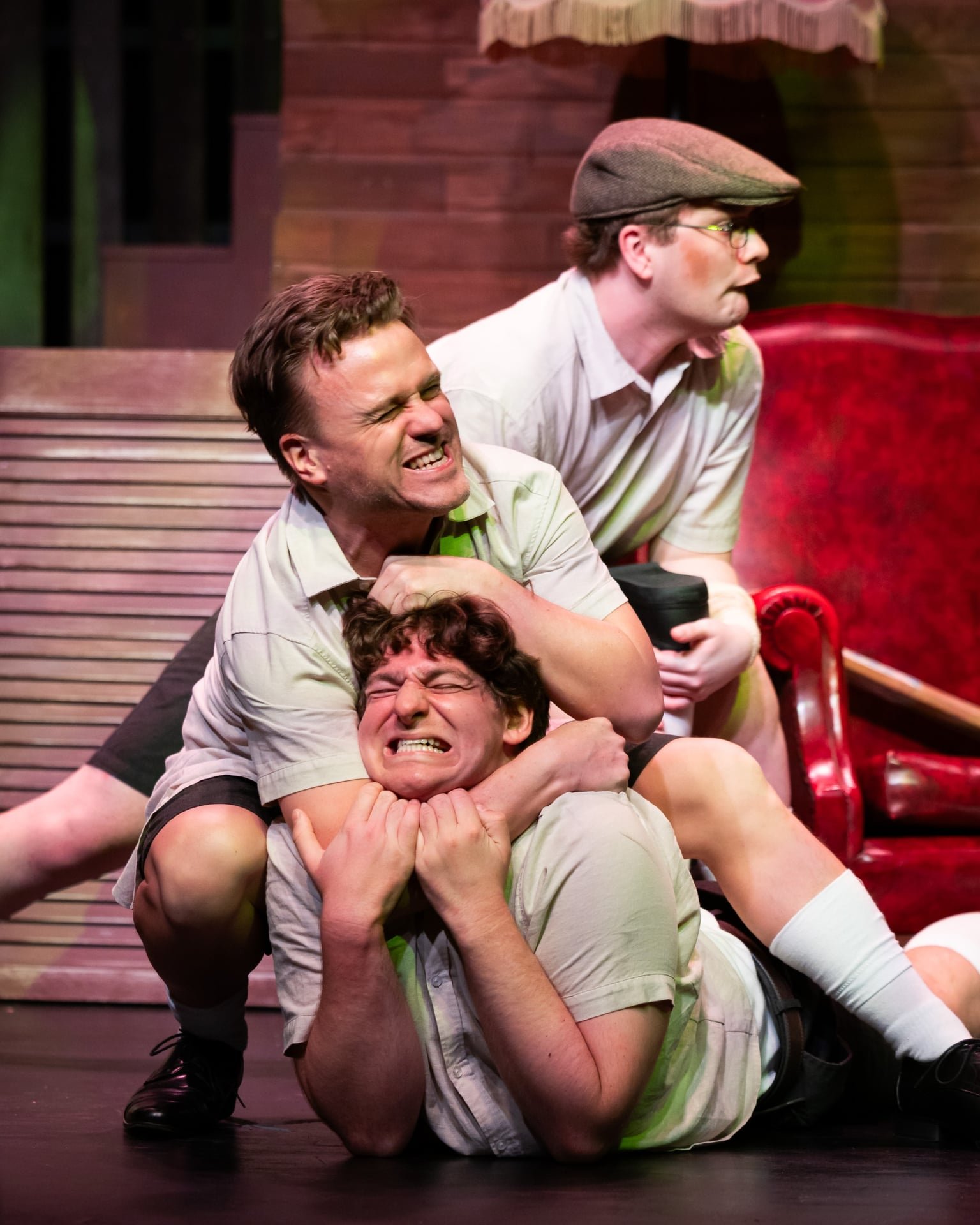
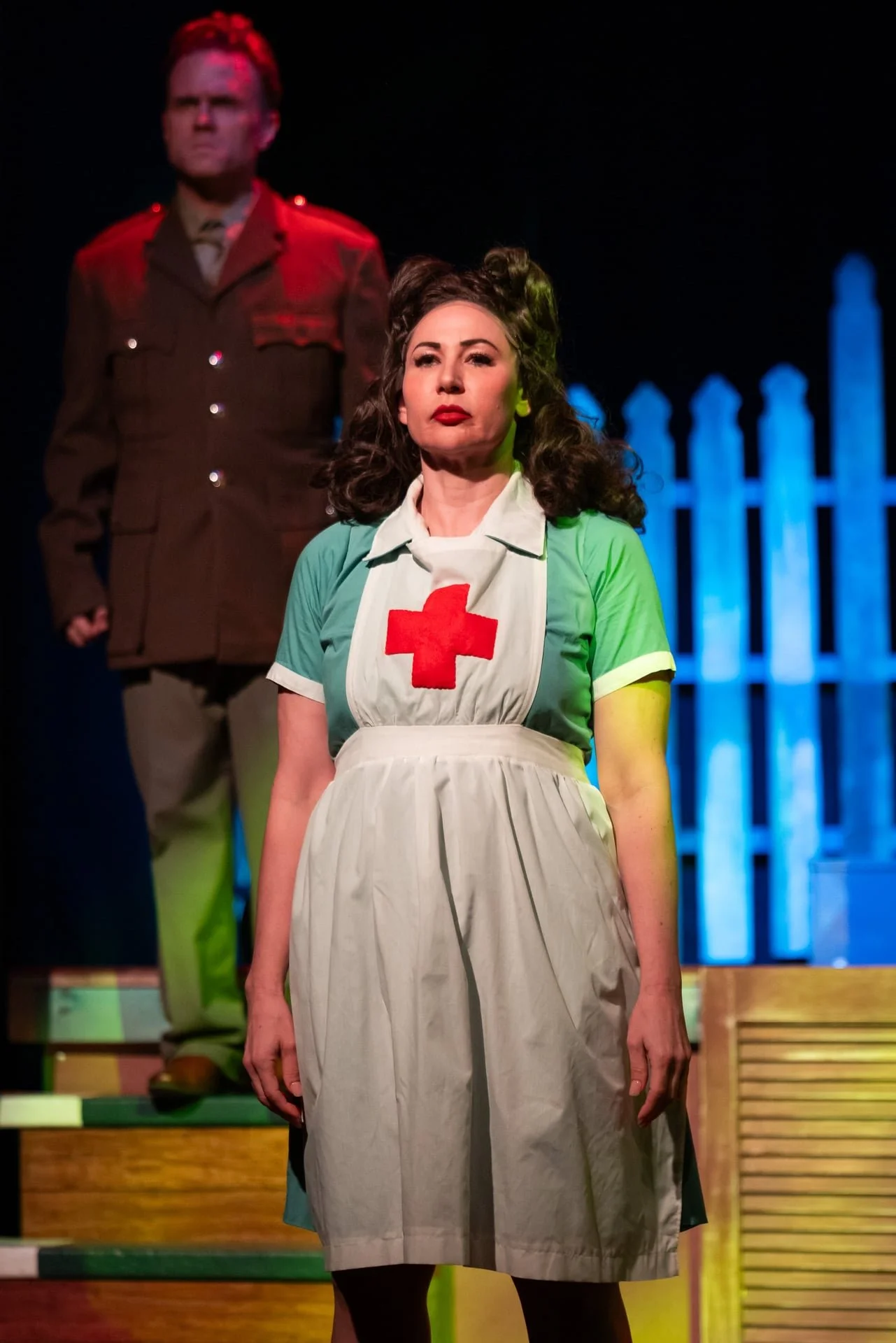
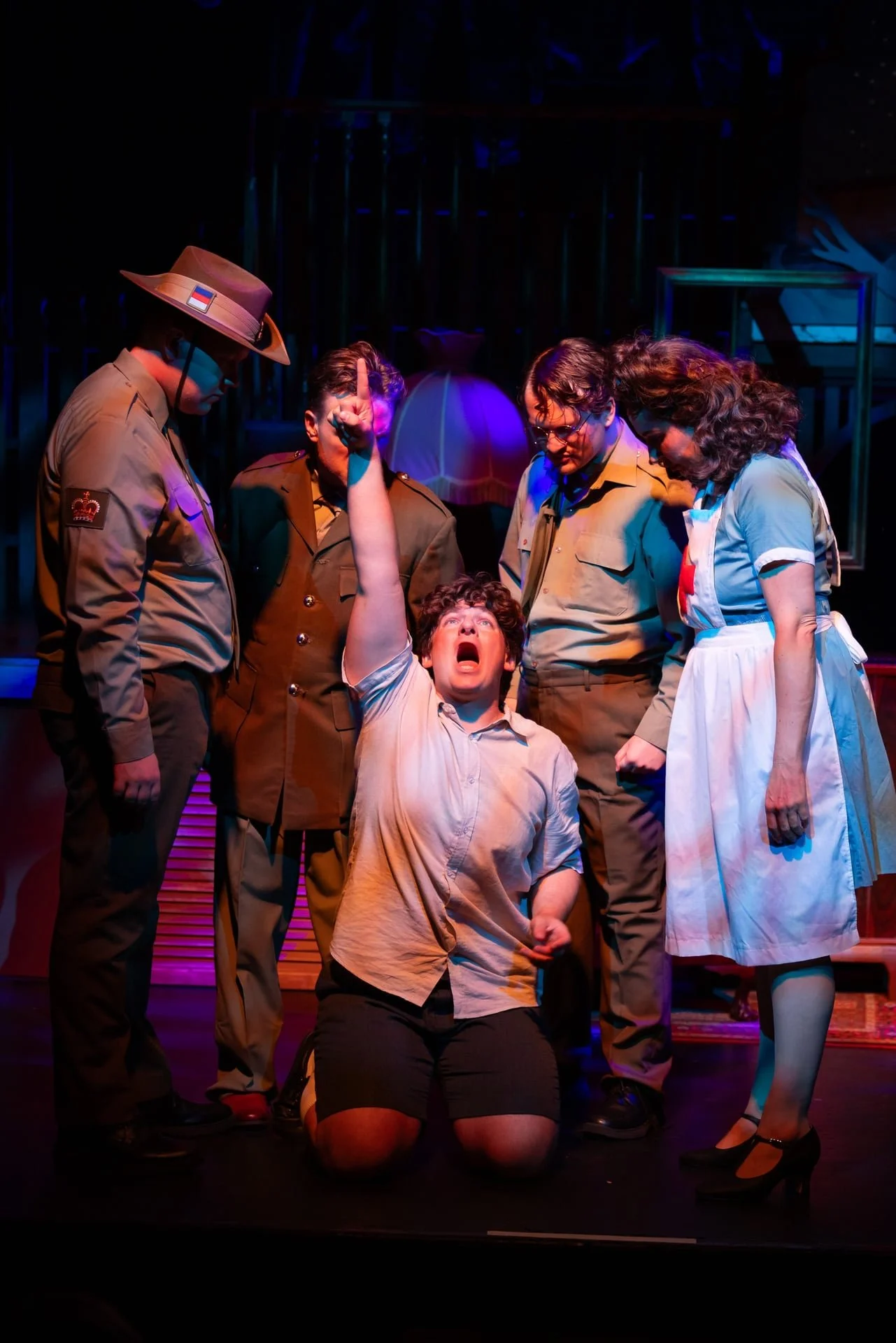
Our performers are required to be mimics, mime artists, slapstick comedians, and adept in naturalistic acting. Try following the stage direction, “The effect is vaudevillian and playful” and you will understand the skills required.
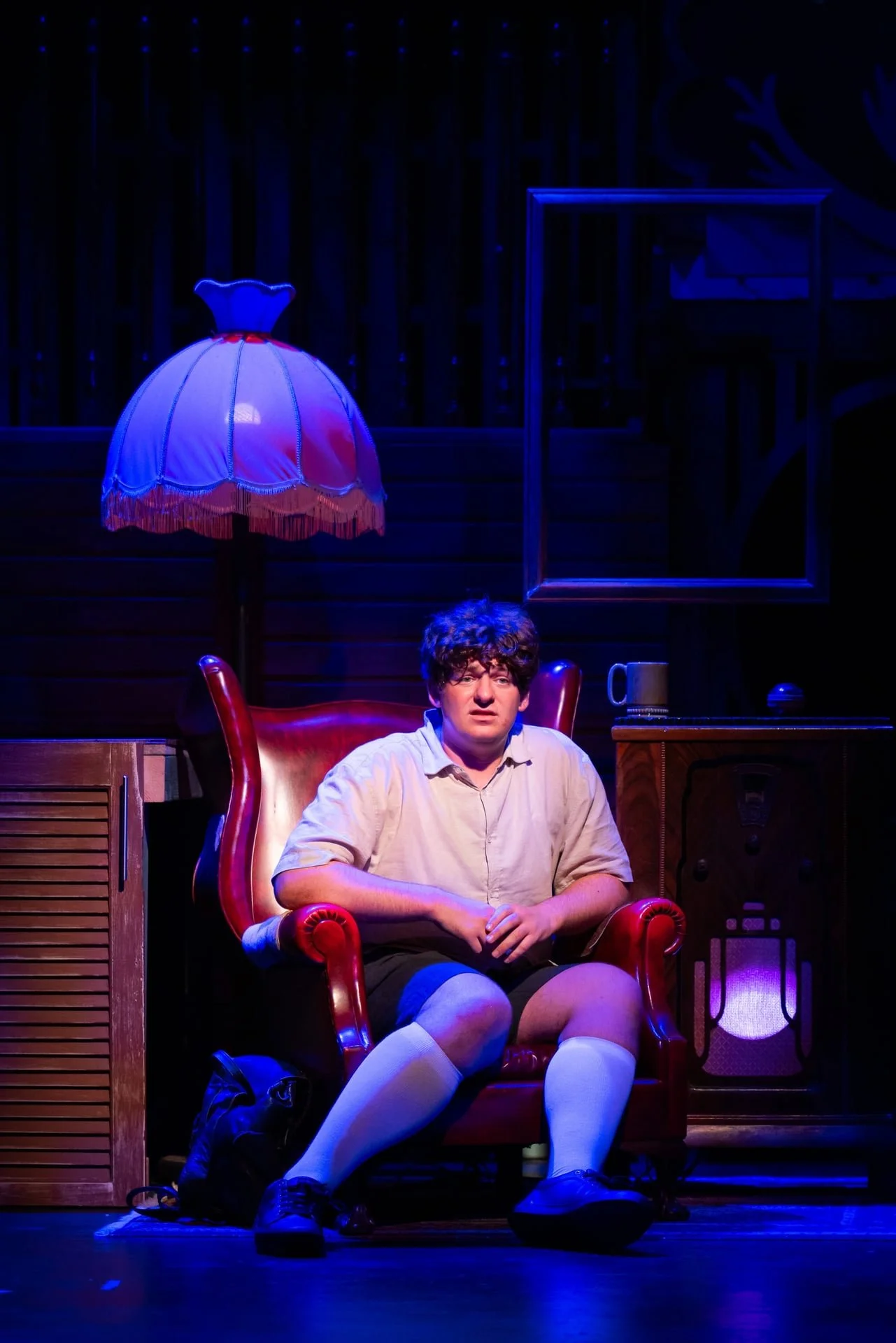
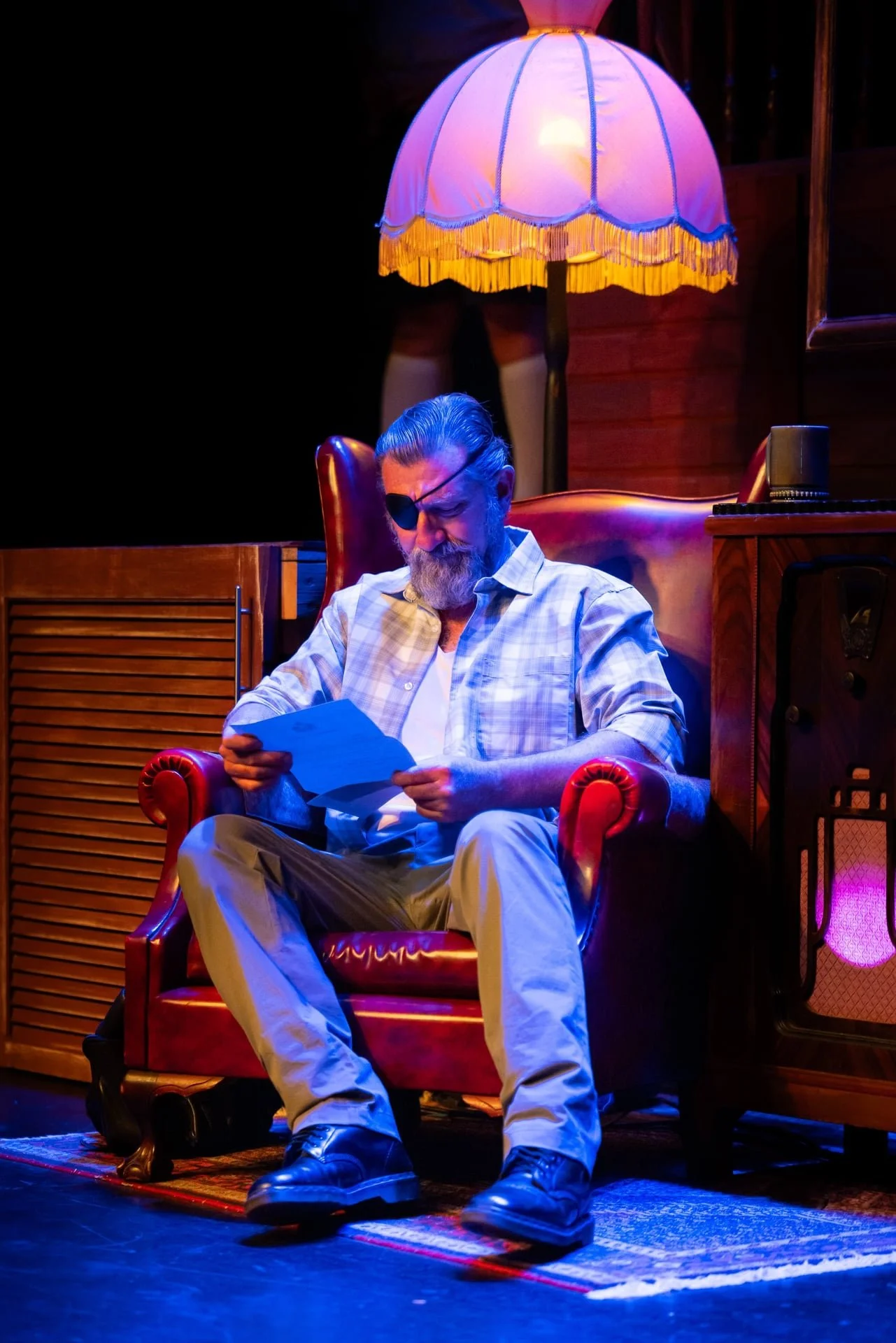
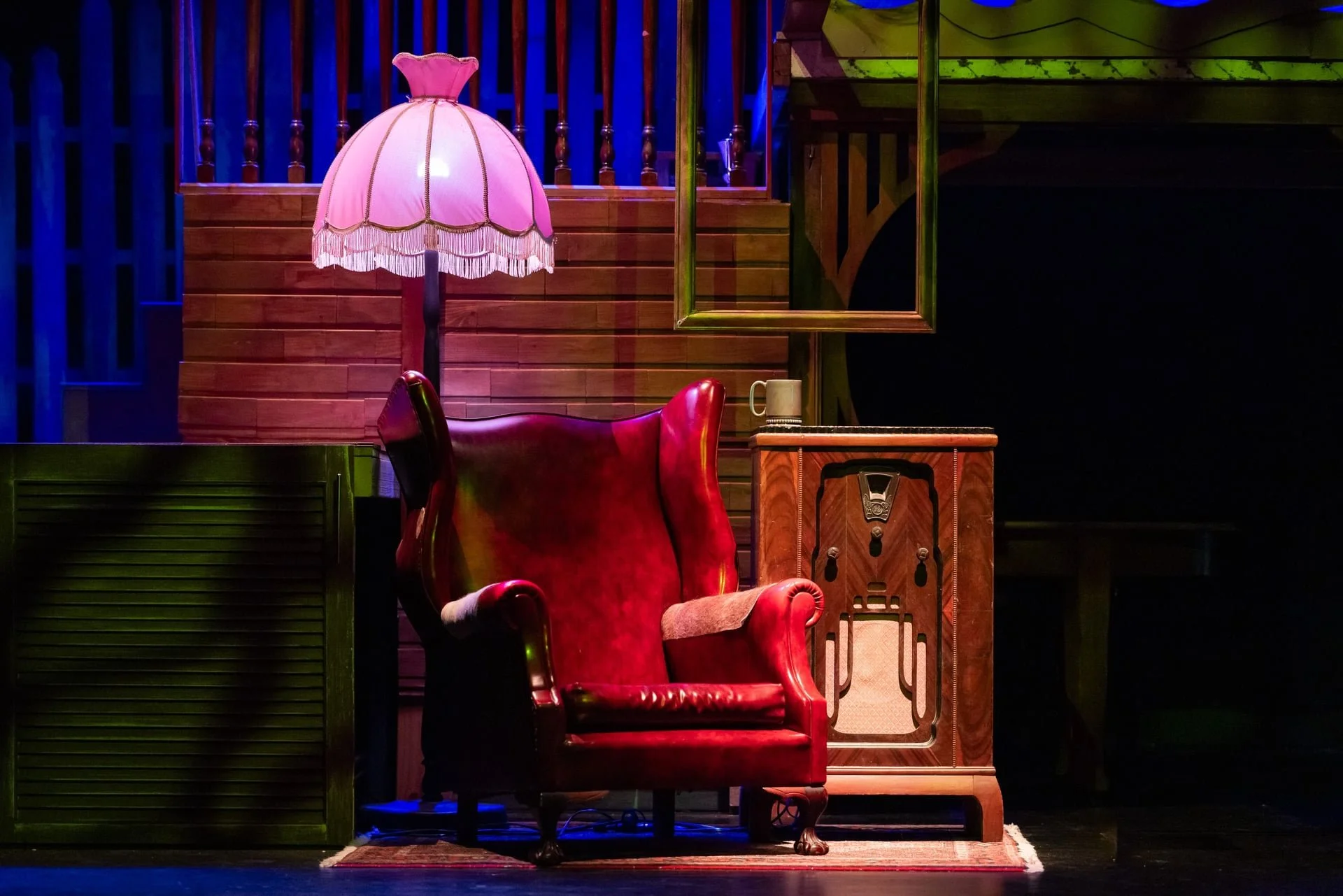
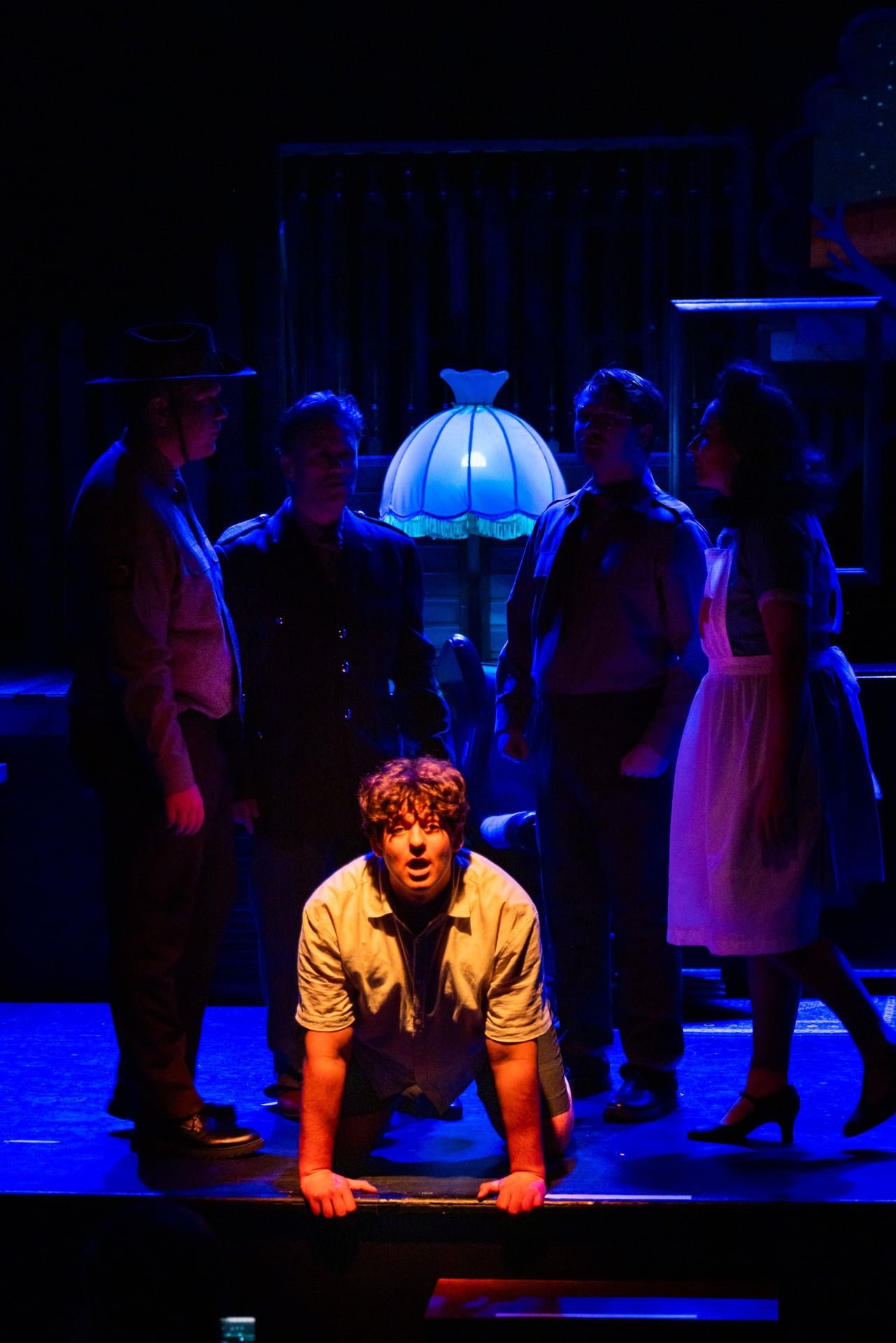
Our designers have made visual the invasion of the global into the domestic life of an ordinary, loving family. The text is driven by the narration and imagination of the adolescent Danny and the set is riddled with evidence of the conflation of war and home in his mind. Our Lindy Hop dancers explode on to the stage to take Danny and you to Cloudland and the Trocadero. Our lighting and sound designers and technicians make possible the recreation of the Battle of Brisbane which was, in reality, a cast of thousands. They evoke the ghostly presence of, and Danny’s longing for, the one who is lost.
Our courageous actors have been living Danny’s imagination for months now.
I hope we conjure his spirit for you, lest we forget.
Fiona Kennedy
Director
-
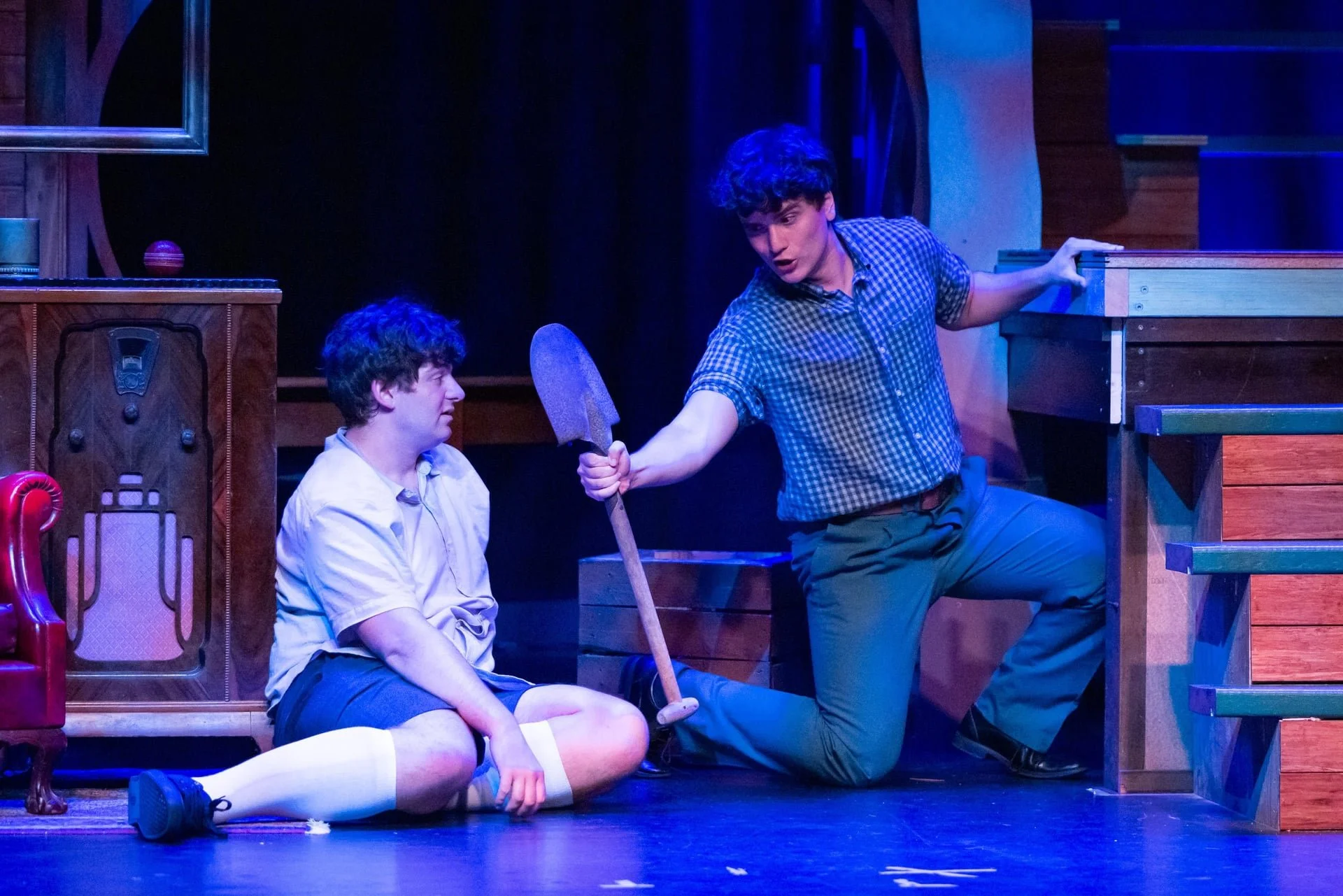
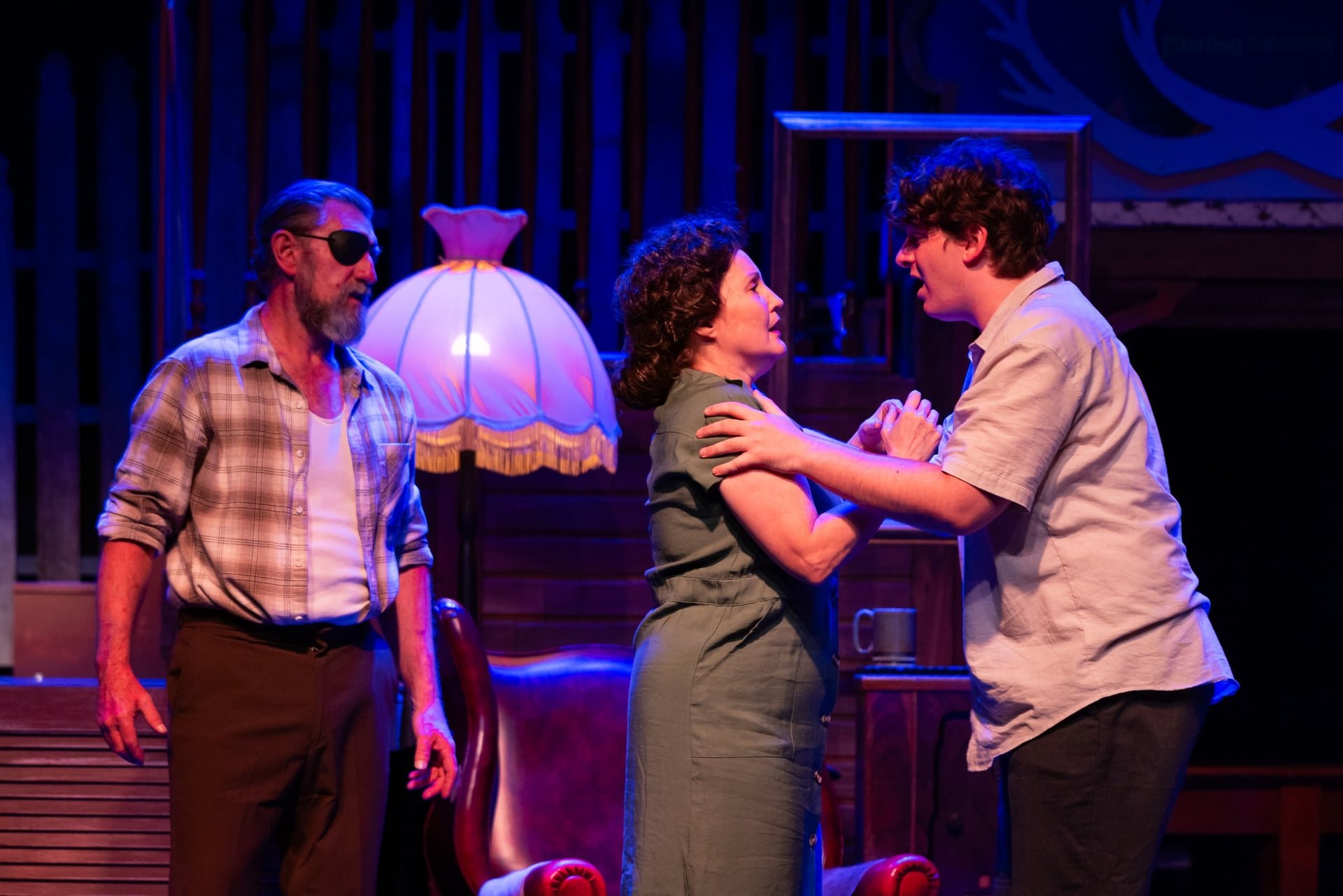
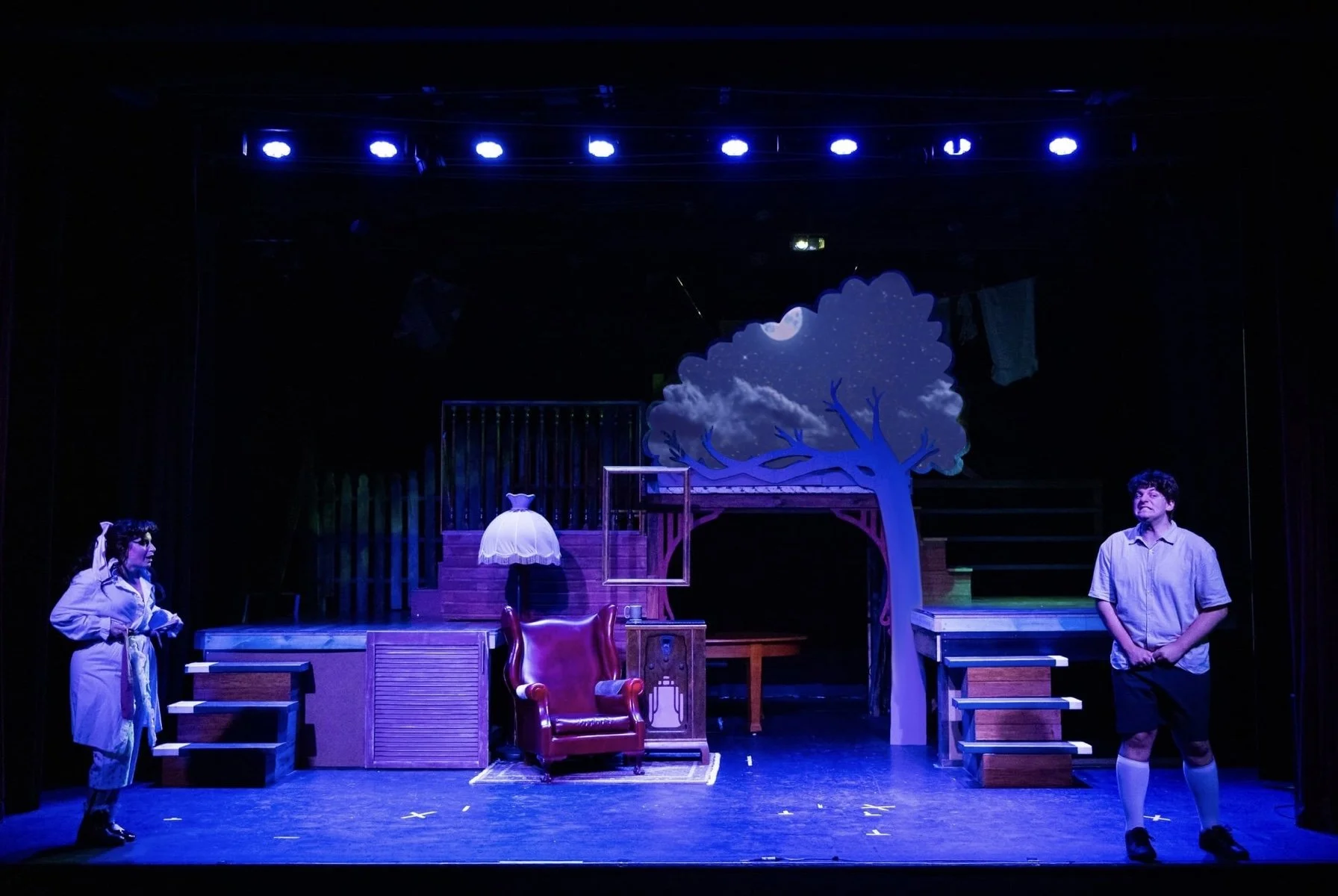
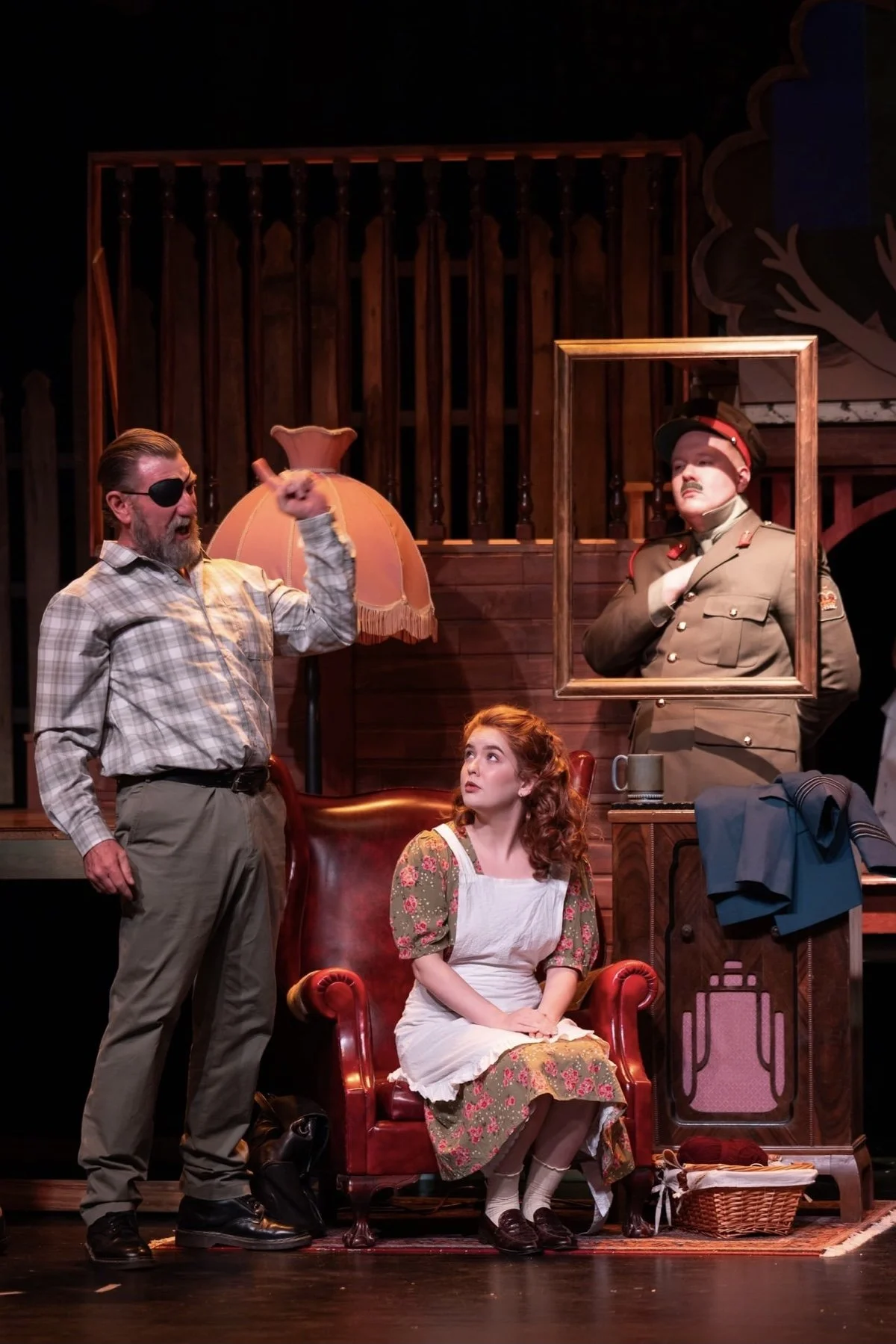
How can a theatre set be home, a city, and a world at war? Matthew Ryan’s delightfully moving and illustrative text has a life of its own, and from my first read my head was flooded with a series of images. Washing lines, a kitchen table, an armchair, and a jacaranda tree formed the foundation for a familiar family home that had been set upon. Allied invaders and looming war meant Brisbane families had to ‘make do and mend’, common household necessities were diverted to the war efforts, and the quiet domestic life was exploited for ‘the greater good’. This exploitation and juxtaposition of warfare and domestic life became the cornerstone of the design, most notably realised in the Kittyhawk, comprised of repurposed household items. Like many dreams, turning it into a reality was a momentous task.
I am forever grateful for Fiona Kennedy, who entrusted me with this precious task and immediately embraced the vision. I could never fully express my heartfelt thanks to Dan Kennedy, and our incredibly hard-working construction team (Chloe Rose, Brent Dunner, Sylvester Milosevic, and a host of others) who lovingly breathed life our ‘Brisbane House’, screw by screw, over a month. The house sings thanks to the incredible lighting by Geoff Squires, and the skilled storytelling of our amazing cast, who transform the space in an instant with their passion and dedication to this heartfelt and very-close-to-home story. My sincere thanks also go to George Wolf, who took on construction of one of my favourite designs, the Kittyhawk, and rose to the challenge. I hope our Brisbane house feels like home, and reminds you what is worth protecting. Never forget that this happened. This happened here.
Stacie Hobbs
Assistant Director & Set Designer
-
Strobe
Gunshots
Stylised violence
Themes of grief and loss
-
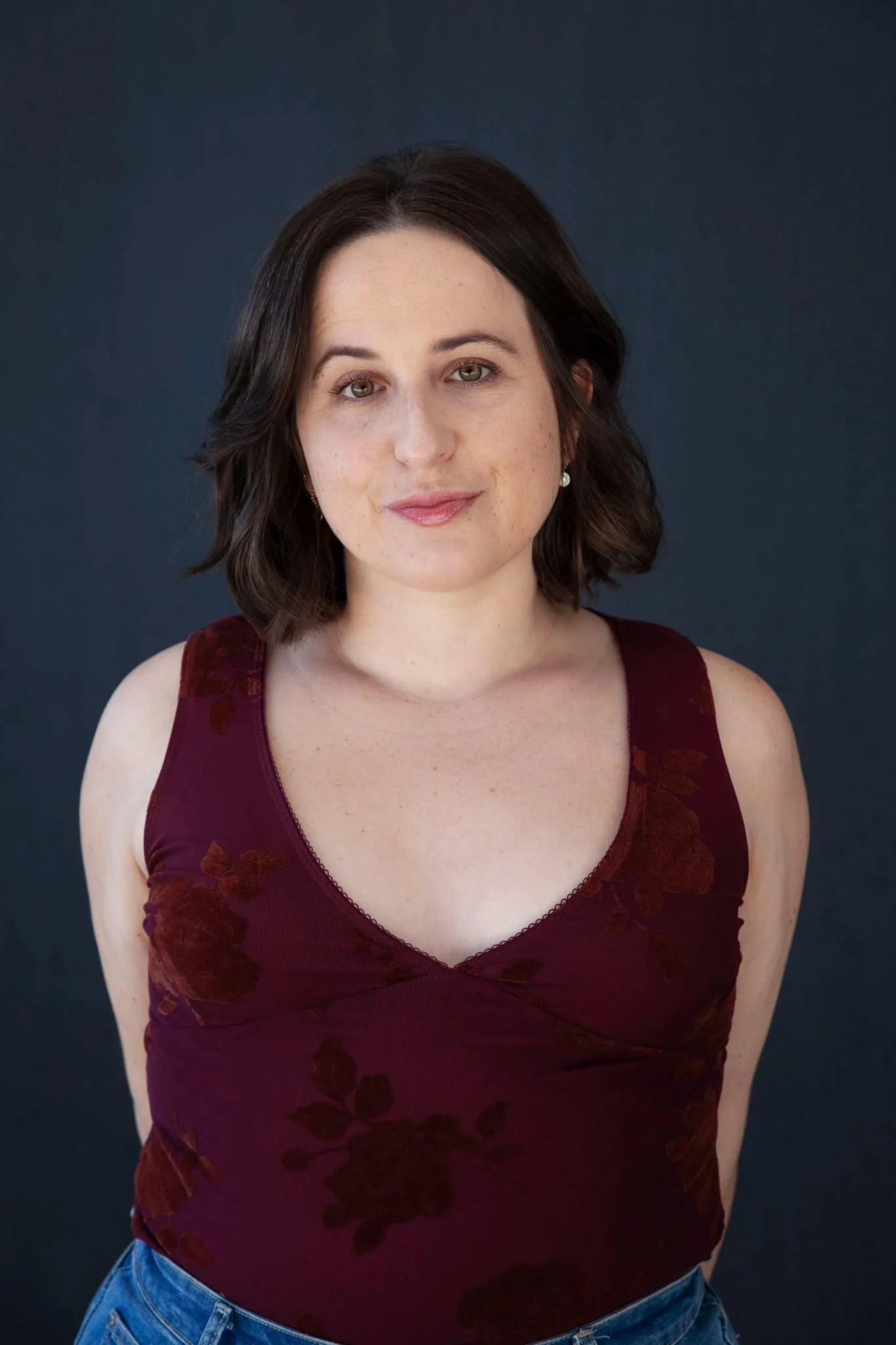
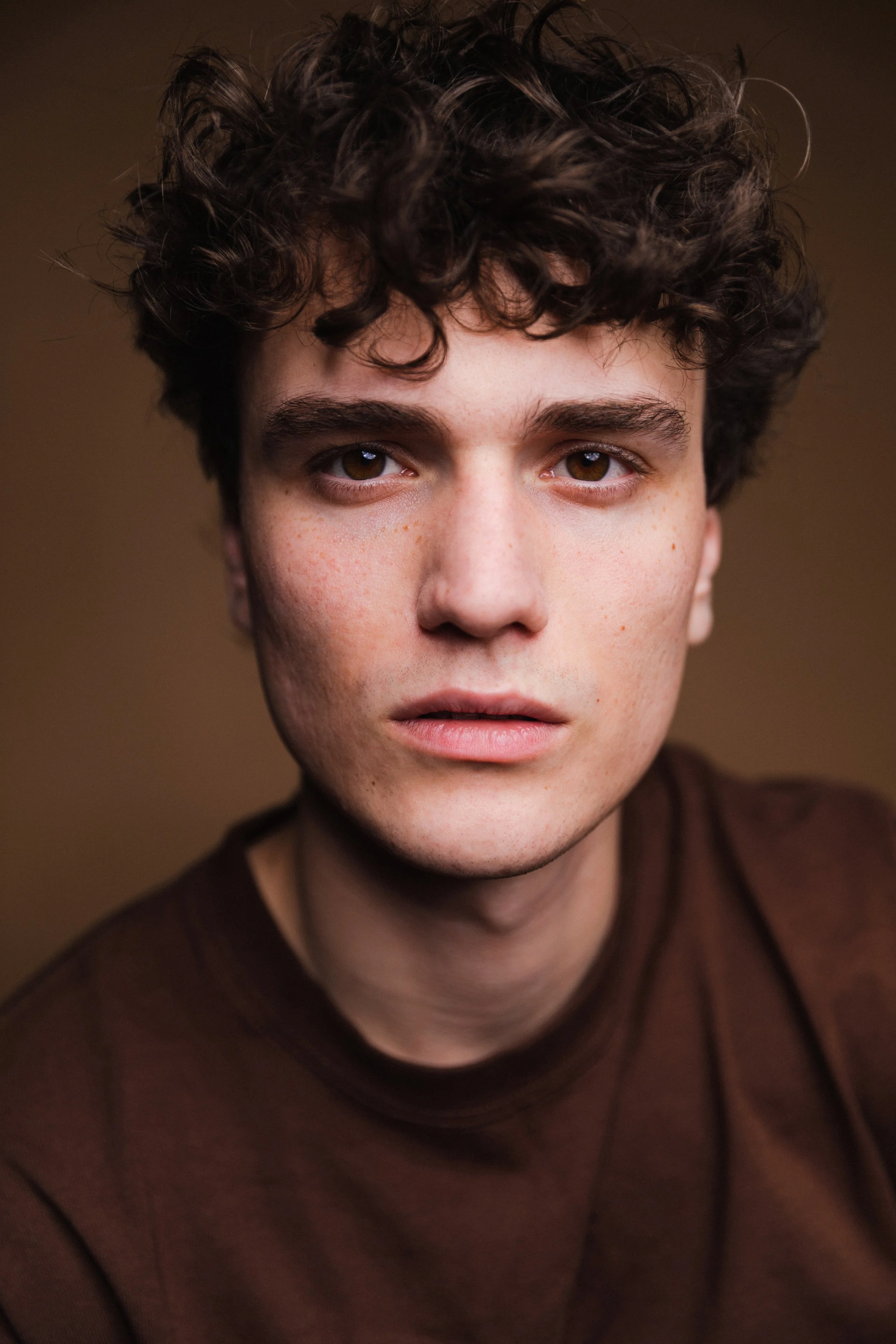
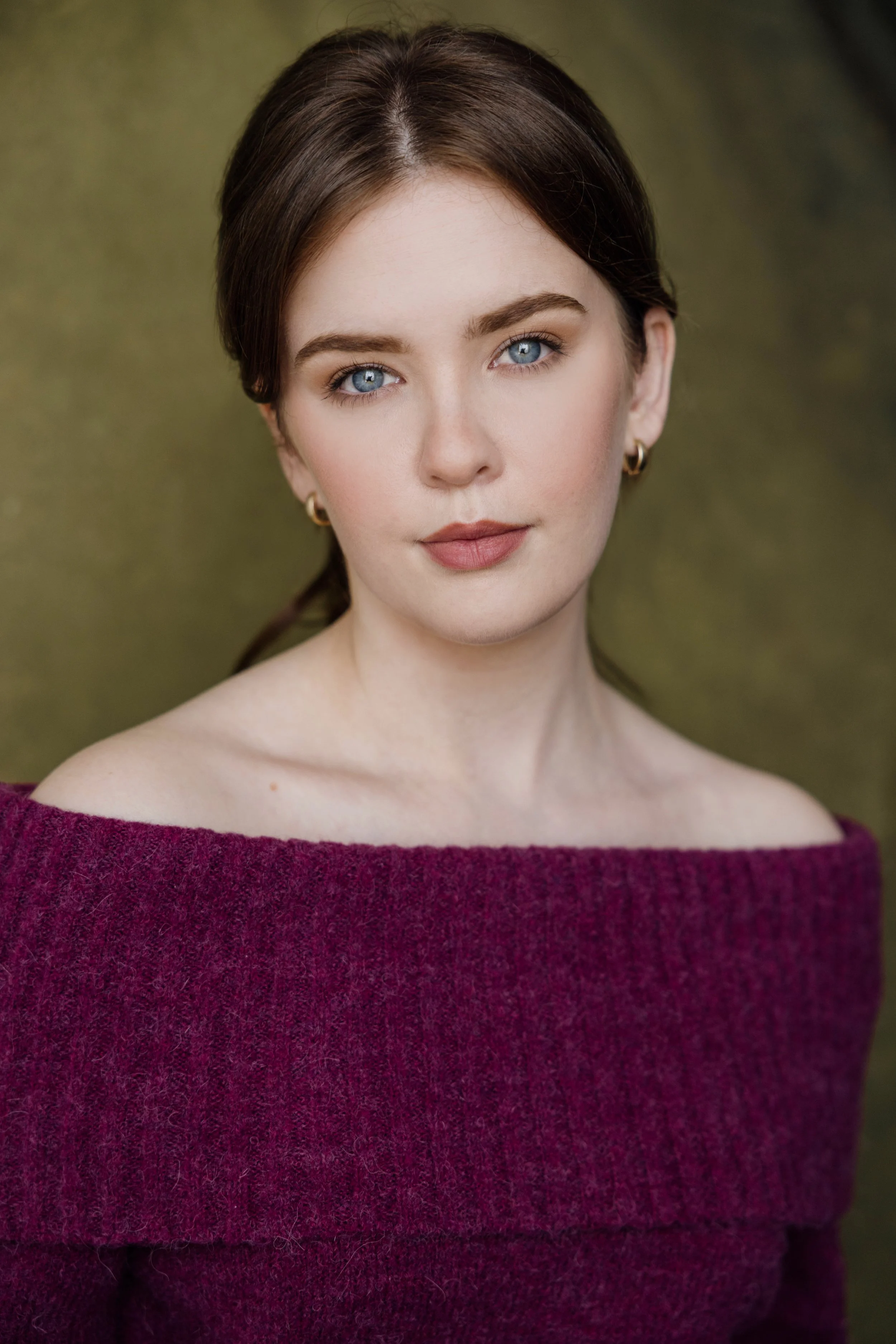
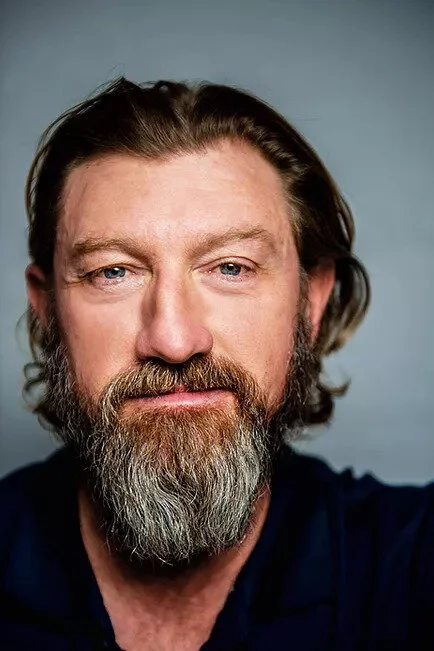
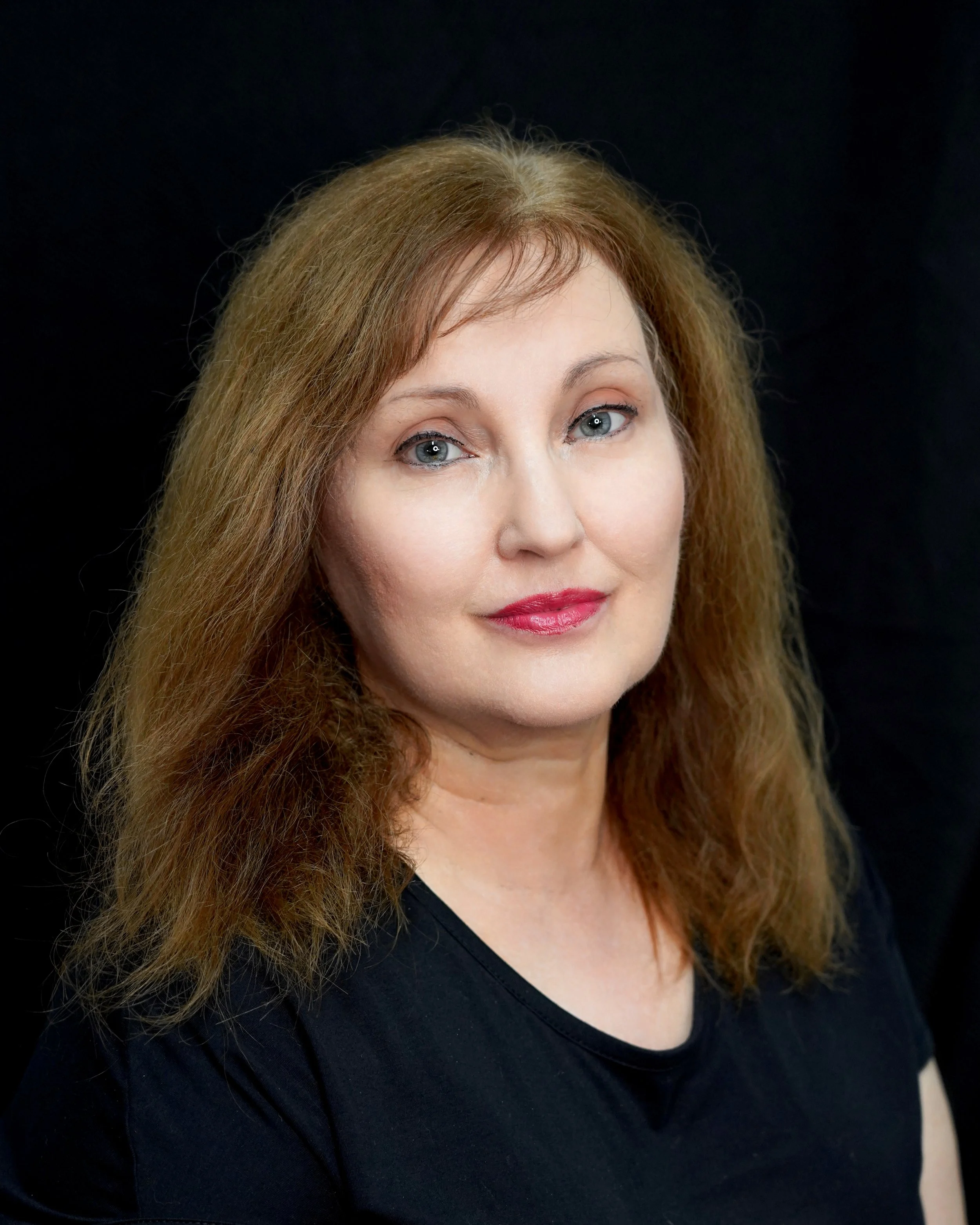
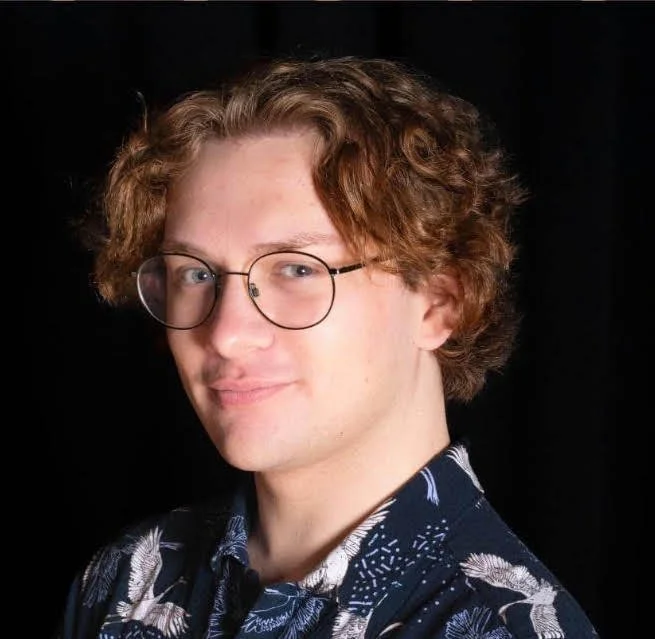
Danny | Bailey Sprecak
Patty | Aimee Duroux
Andy/Frank | Liam McMahon
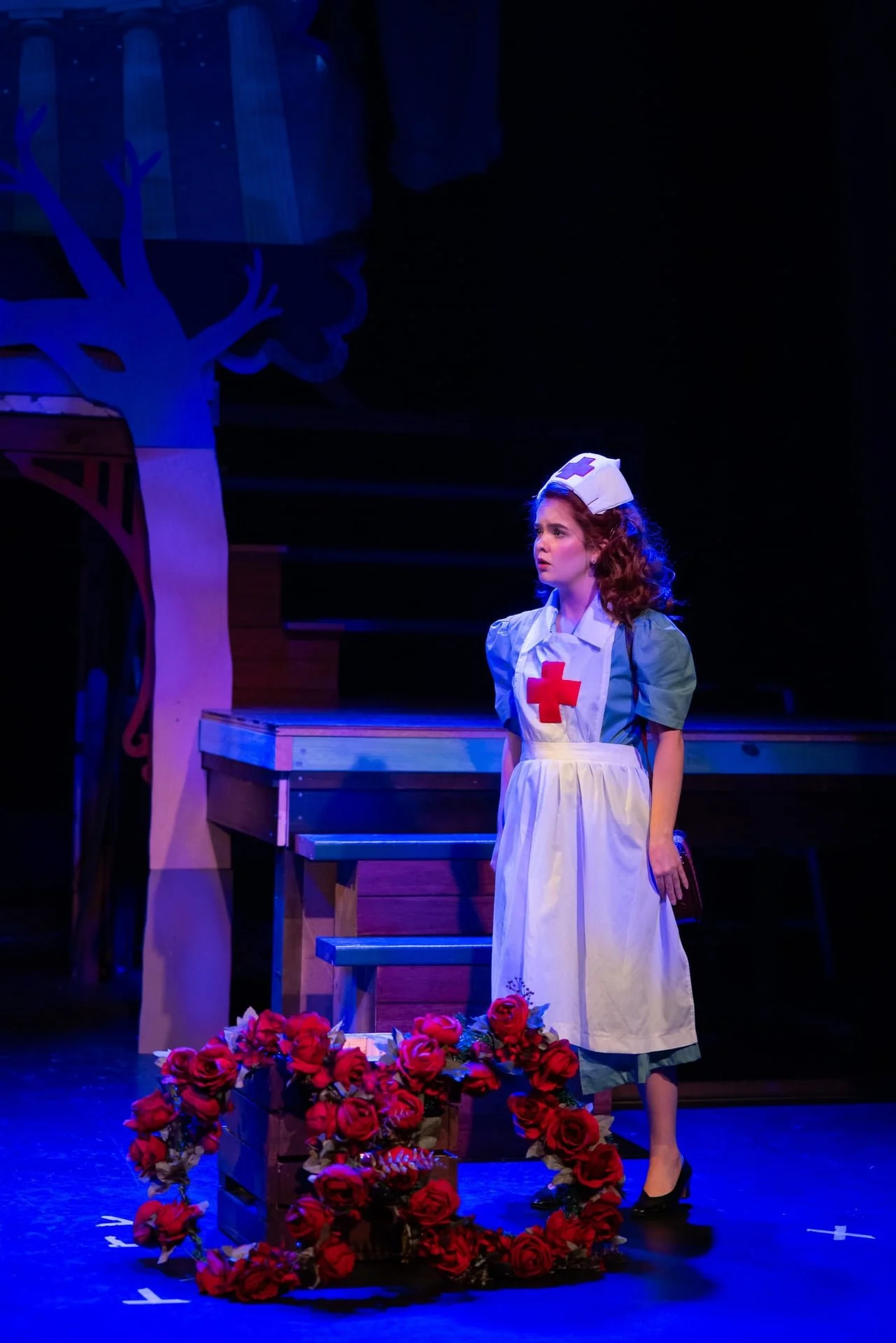
Rose | Hannah Sisson
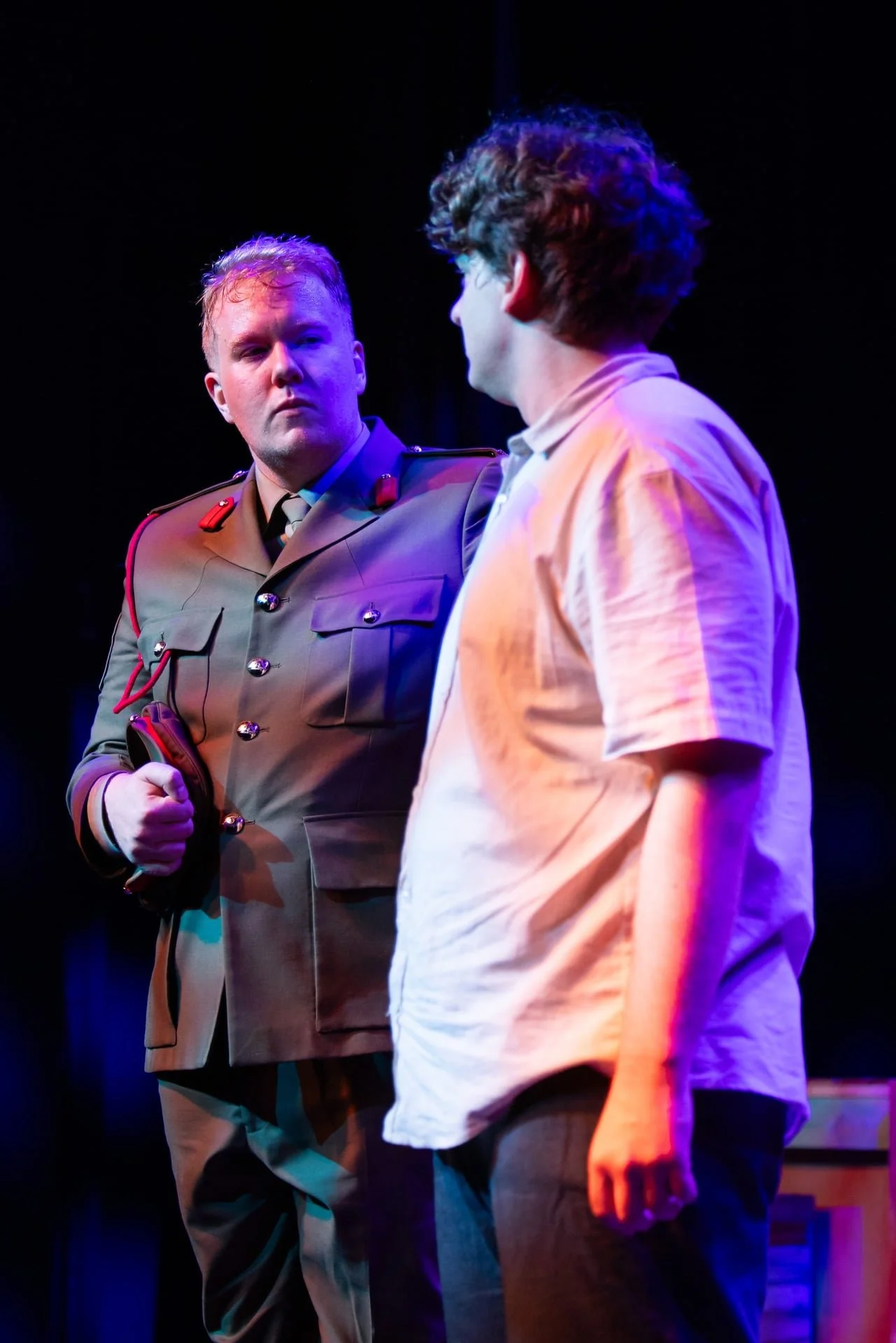
John | Brent Dunner
Annie | Lisa Hickey
Ensemble | Mike Escober, Jack Winrow, Natasha McDonald, & Jay Koloi



-
Director | Fiona Kennedy
Assistant Director | Stacie Hobbs
Stage Manager | Chloe Rose
Costume Design | Georgina Purdie
Costume Team | Georgina Purdie & Stacie Hobbs
Set Design & Projections | Stacie Hobbs
Set Construction | Dan Kennedy
Set Construction Team | Dan Kennedy, Brent Dunner, Chloe Rose, Stacie Hobbs, Steven Rose, Jack Winrow, Mike Escober, Mick French, Jack Fifoot, & Brad Willmot
Props | Chloe Rose, Fiona Kennedy, & Stacie Hobbs
Fight Choreography | Jason King
Intimacy Coordination | Tammy Linde
Kittyhawk Design | Stacie Hobbs
Kittyhawk Construction | George Wolf
Wigs | Stacie Hobbs
Lighting Design | Geoff Squires
Lighting Operator | Sylvester Milosevic
Sound Design | Tommi Civili
Sound Operator | Simon Henley
Choreography | Nicholas Coubrough
Dance Coordinator | Leah Hendrickson
Dancers | Damien Quick & Amanda Harris (26-27 March, 10 April, & 11 April at 2pm), Nicholas Coubrough & Leah Henrickson (26 March, 28 March, & 2-3 April), James Walsh & Monique Matthews (27 March, & 28 March at 2pm), James Walsh & Crystal Dawson (28 March at 7:30pm, & 9-10 April), Andrew Shannon & Crystal Dawson (2 April, & 4 April at 2pm), Andrew Shannon & Natasha Moffatt (April 9, & April 11 at 7:30pm), Nathan Raggett & Monique Matthews (3 April, & 4 April at 7:30pm), David Roebuck & Natasha Moffatt (April 4)
Production Assistant | Nicholas Hargreaves
With thanks to Tracey Sparke and Mike Trafford for their generous assistance with our American and Australian uniforms.
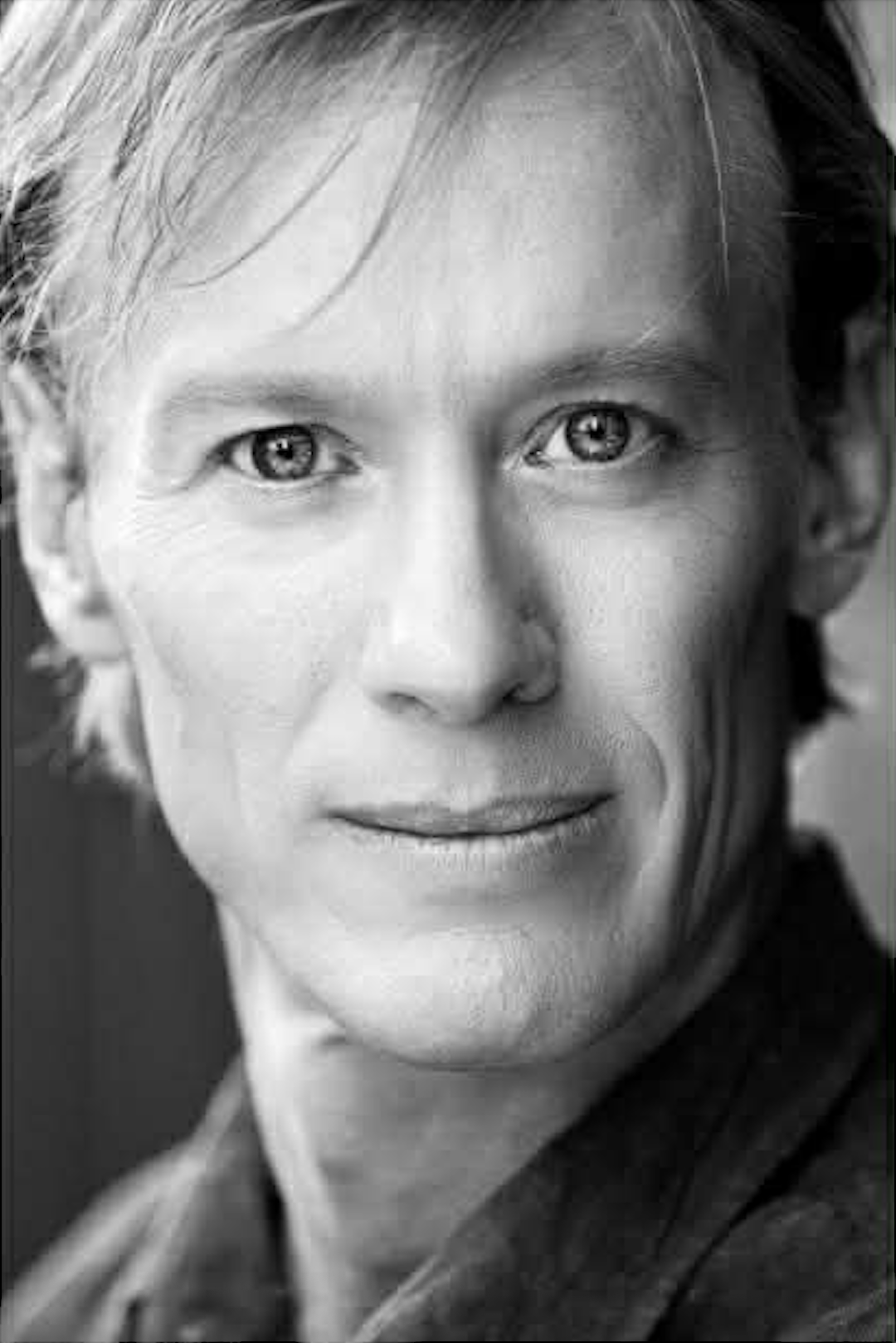
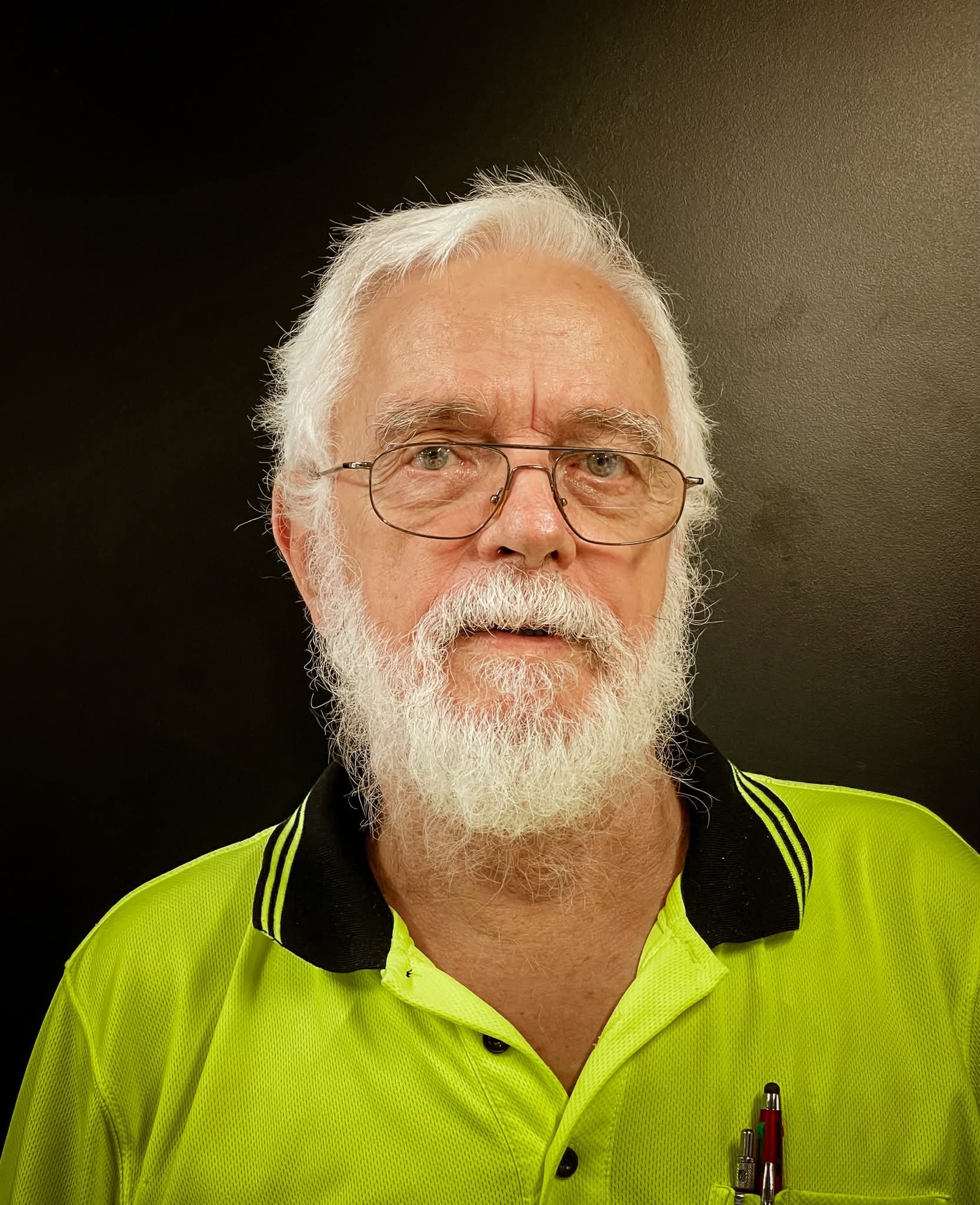
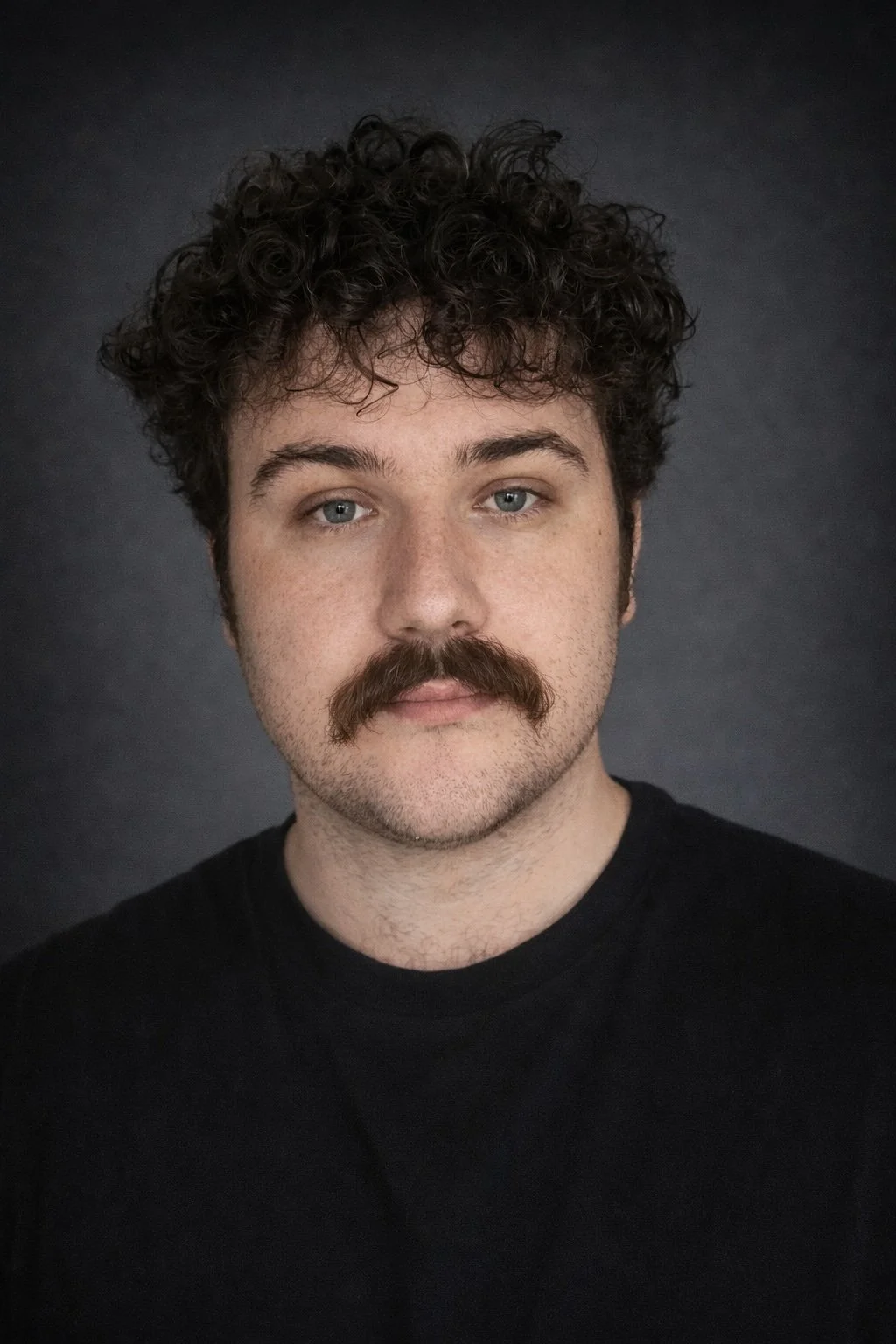

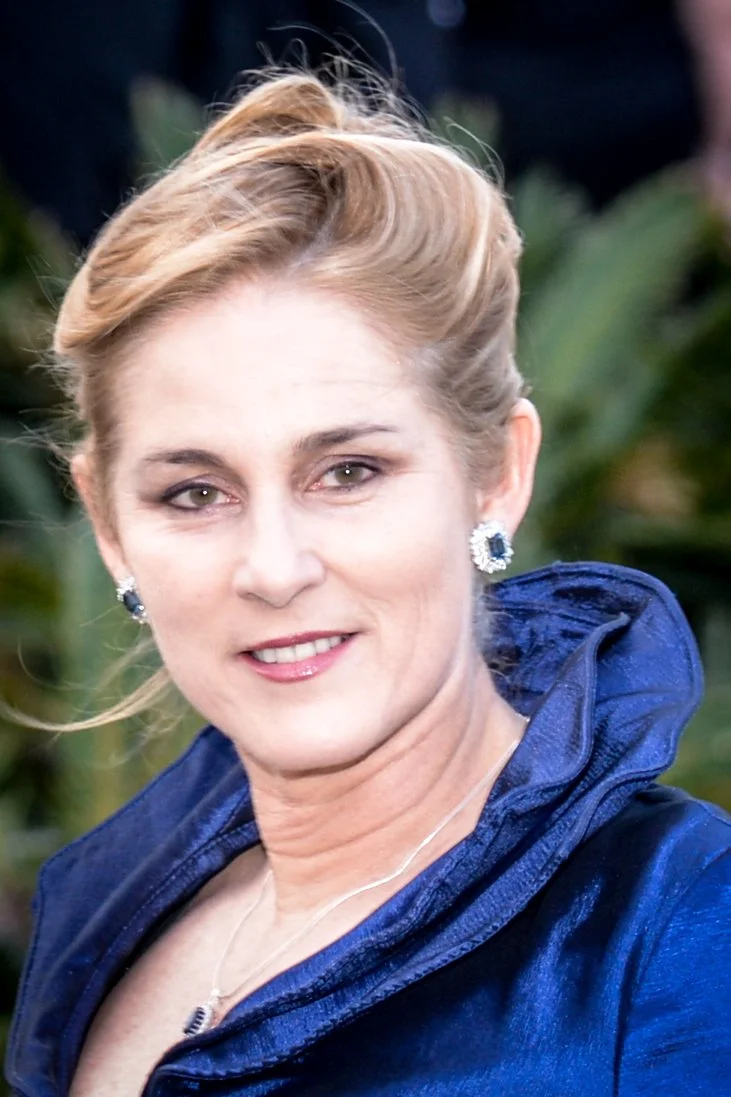
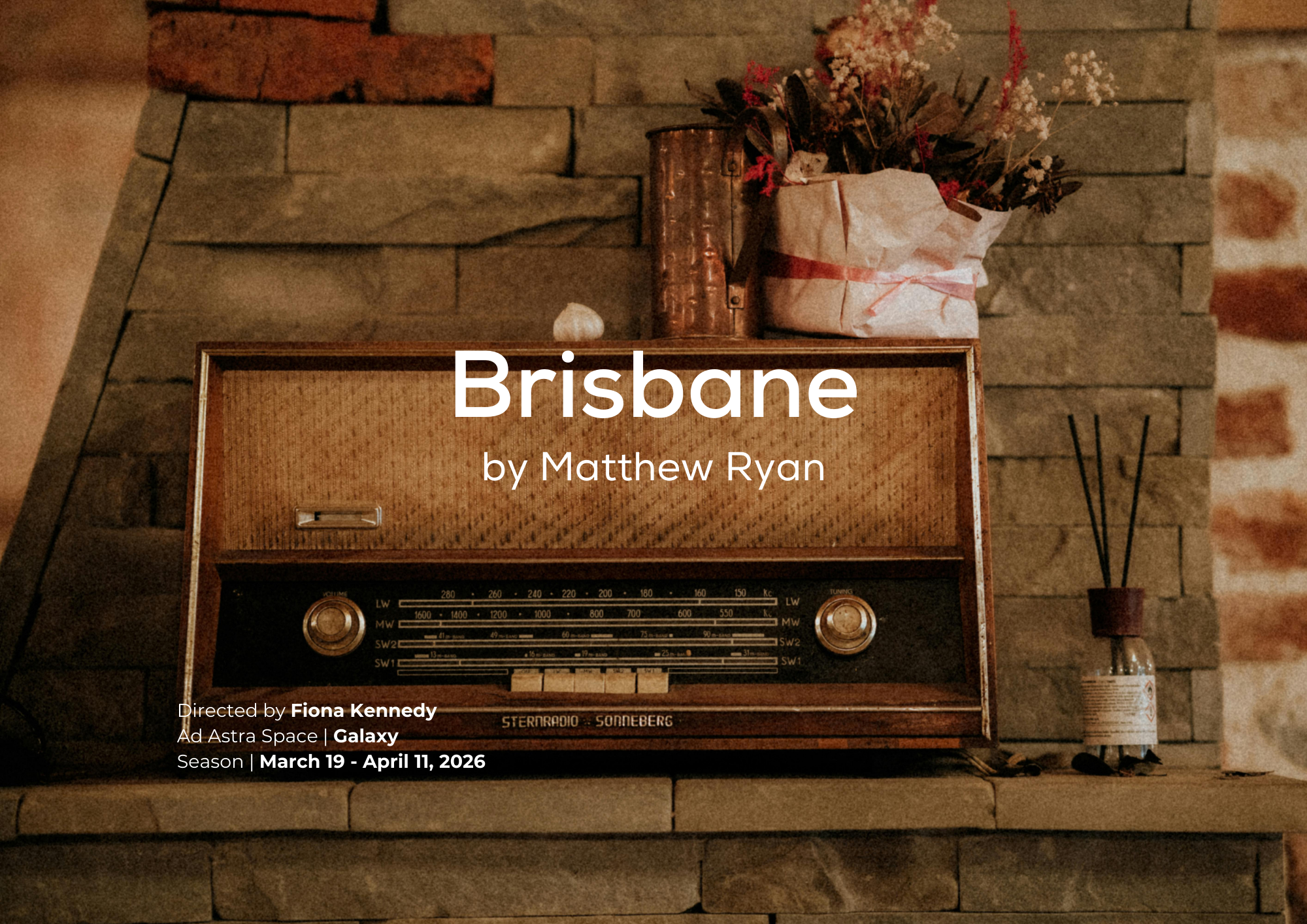
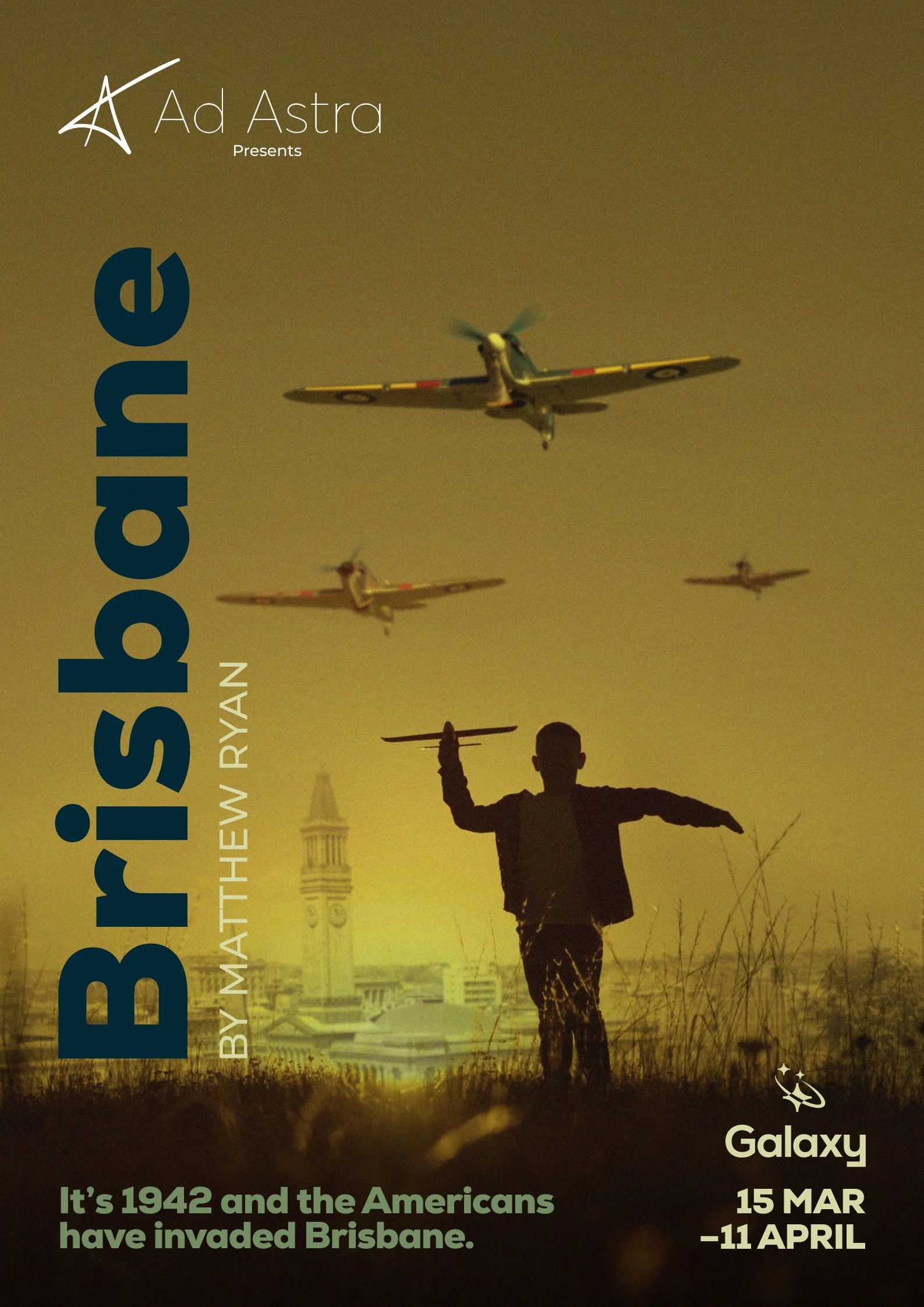
Show Poster
-
“This is no sepia-toned snooze through history. Rather it is full of colour and movement as Kennedy’s direction brings its character and characters to vivid life.”
Blue Curtains Brisbane | Read Full Review
“Bailey Sprecak had a mammoth role in bringing the audience along for the journey as the story’s narrator Danny Fisher. He handled the epic narrational style of ‘Brisbane’ deftly, navigating between wide-eyed innocence and deep grief.”
Grace Swadling - Theatre Travels | Read Review Here
“The ensemble cast really shine, bringing life and depth to the world. Portraying so many characters, they each manoeuvre costume changes and accents without a hitch.”
Molly O’Dempsey - Scenestr | Read Full Review
“Brisbane remains a poignant local story about loss, identity, and the ghosts that linger in both families and cities, and this production offers a heartfelt, visually engaging interpretation of it.”
Kitty Goodall - Stage Whispers | Read Full Review