Ad Astra Production
-
“Life’s a beach and then you die.”
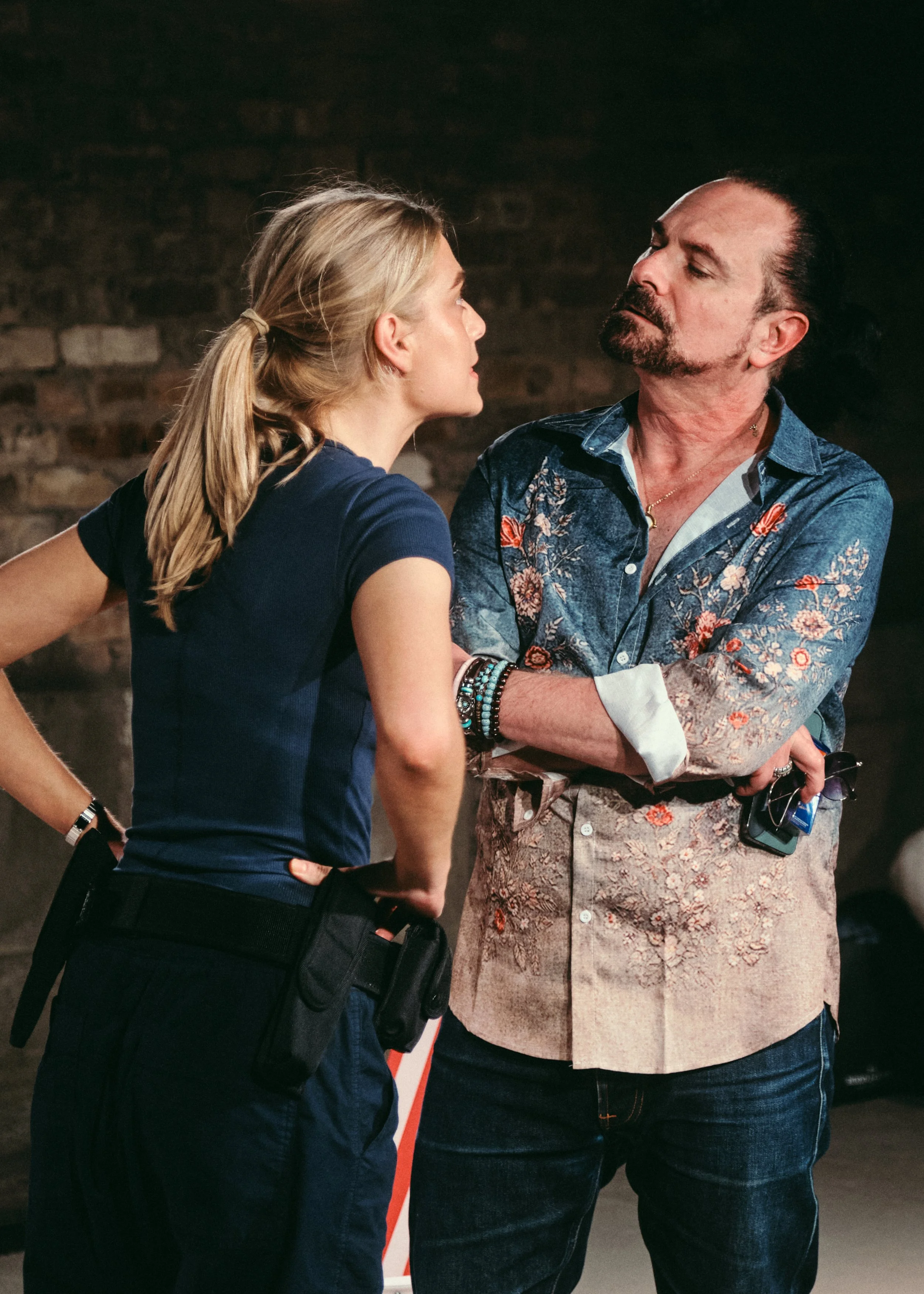
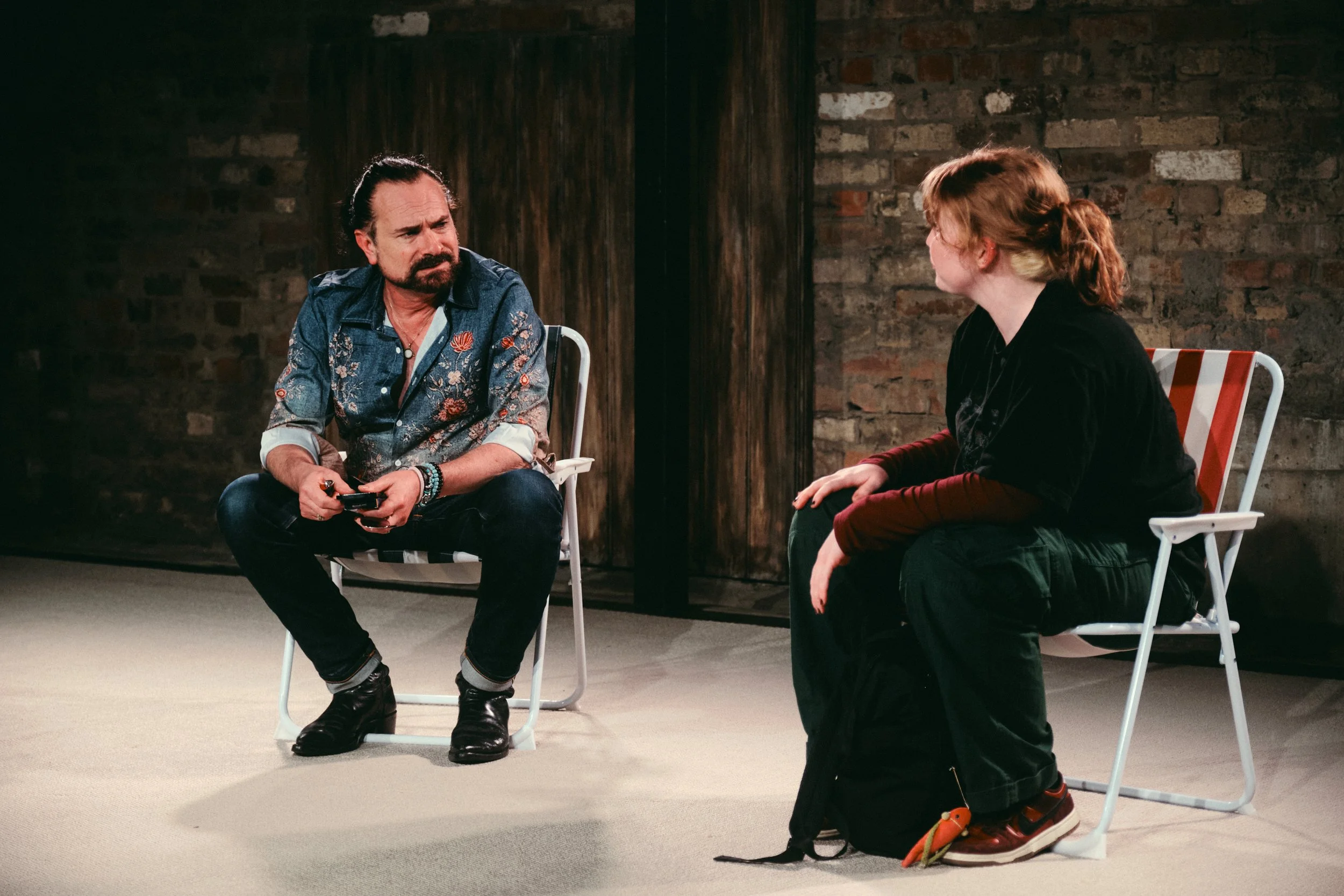
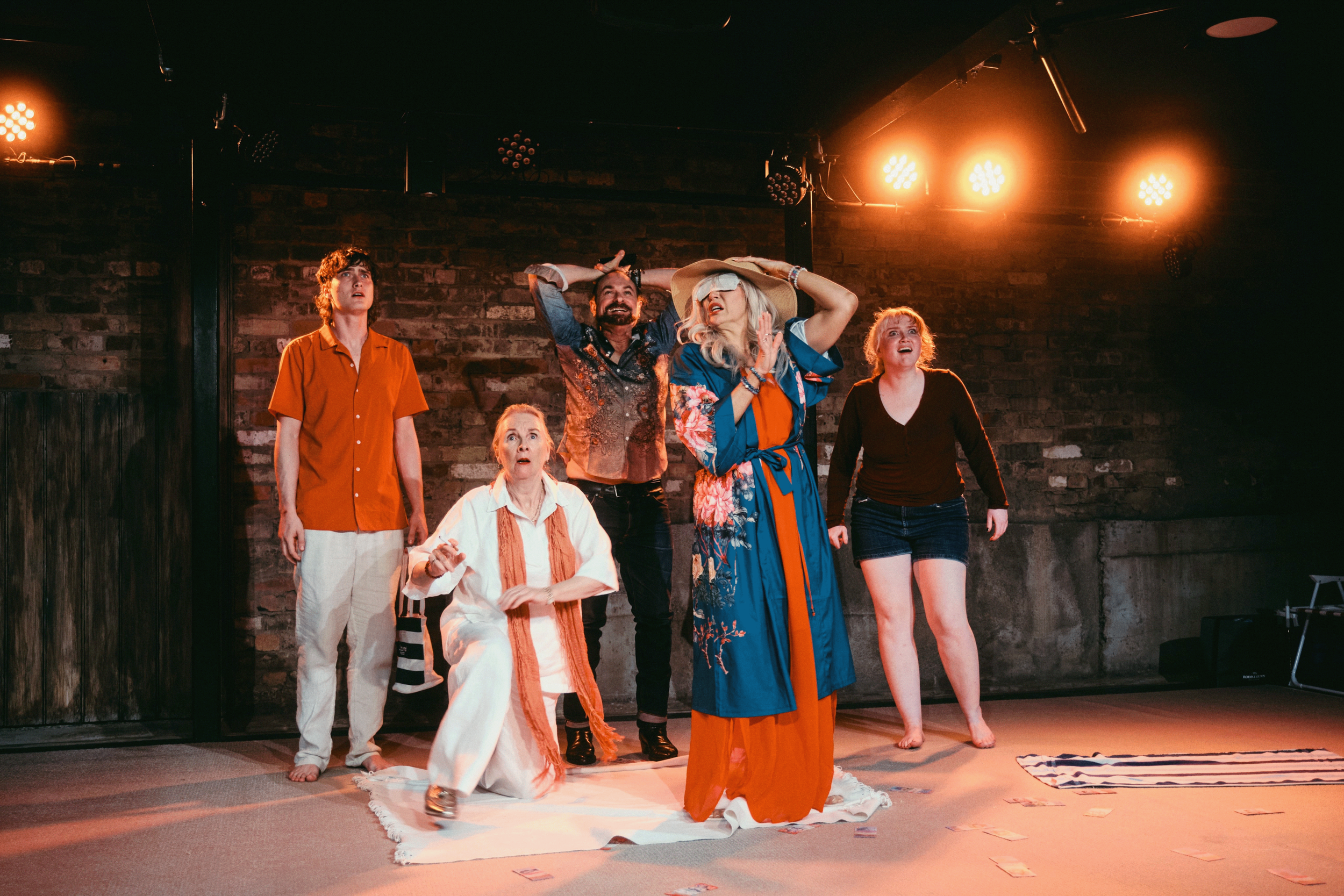
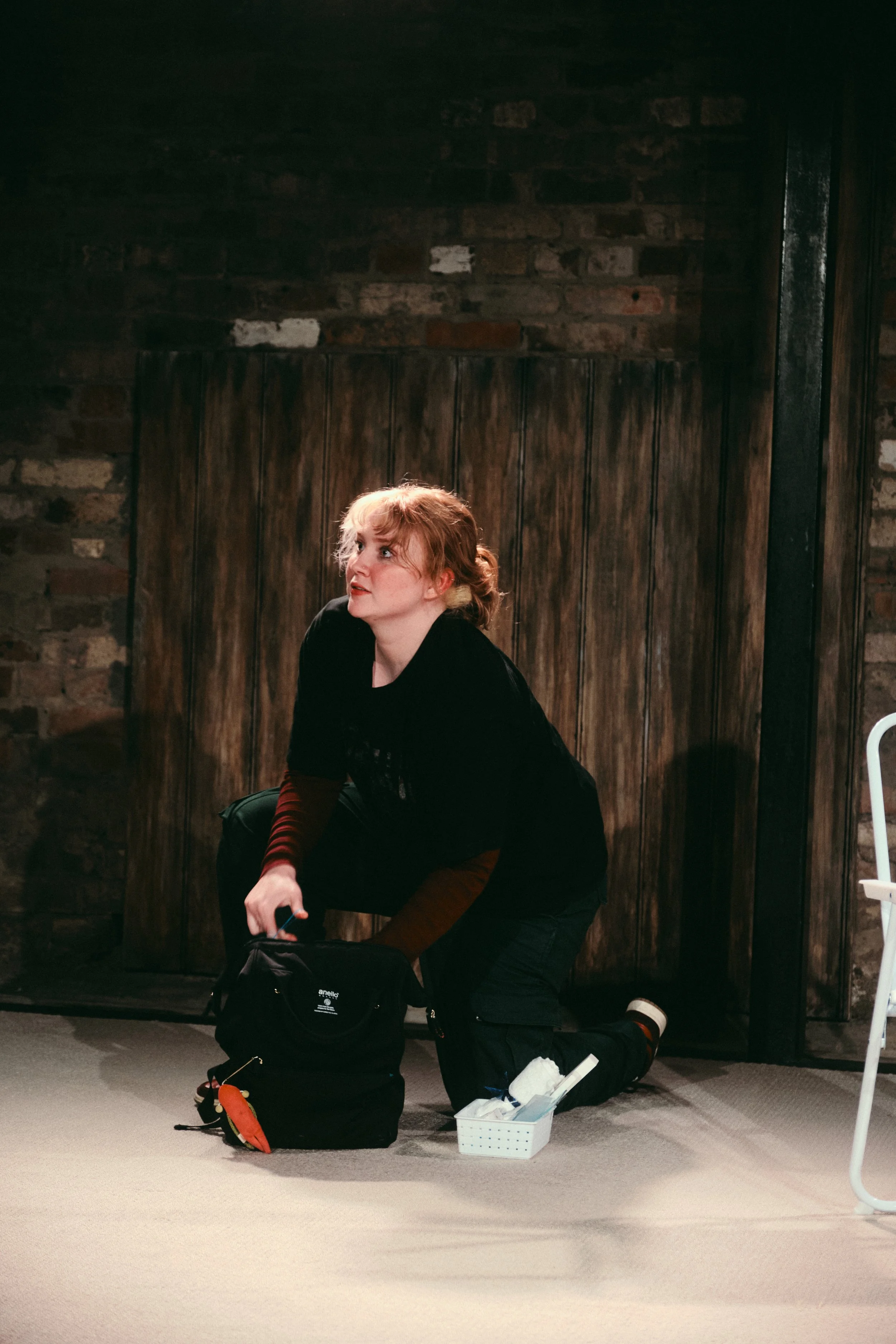
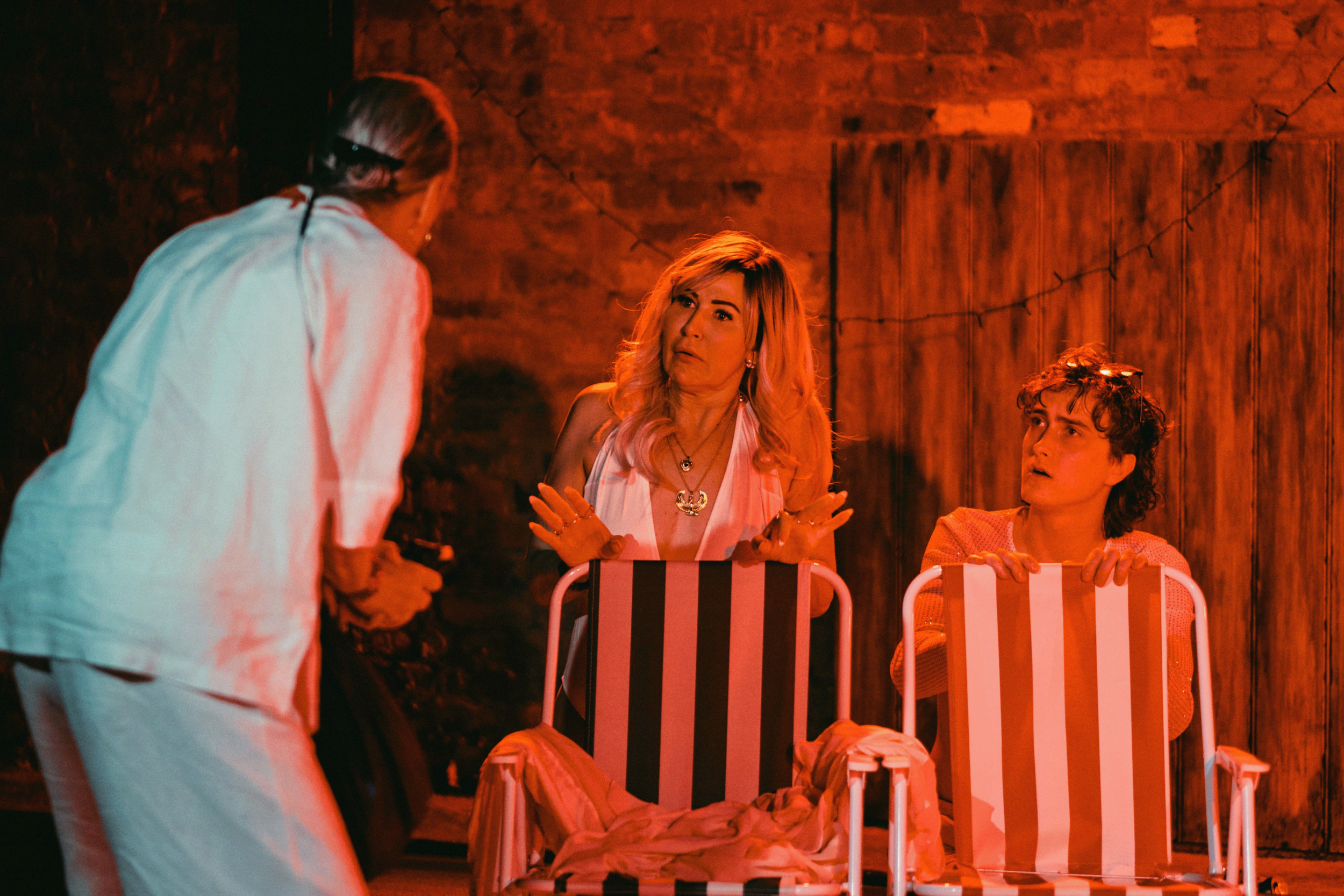
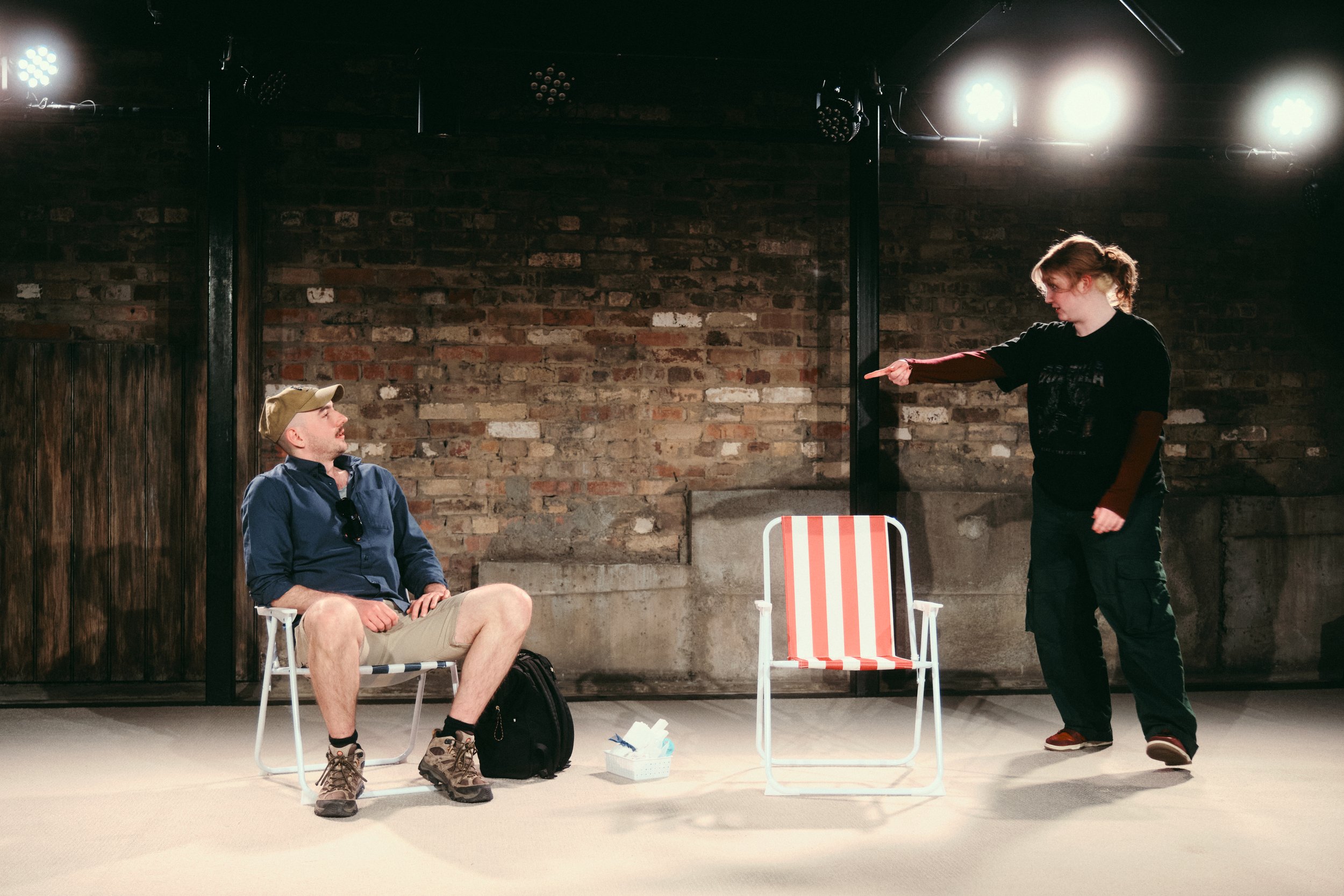
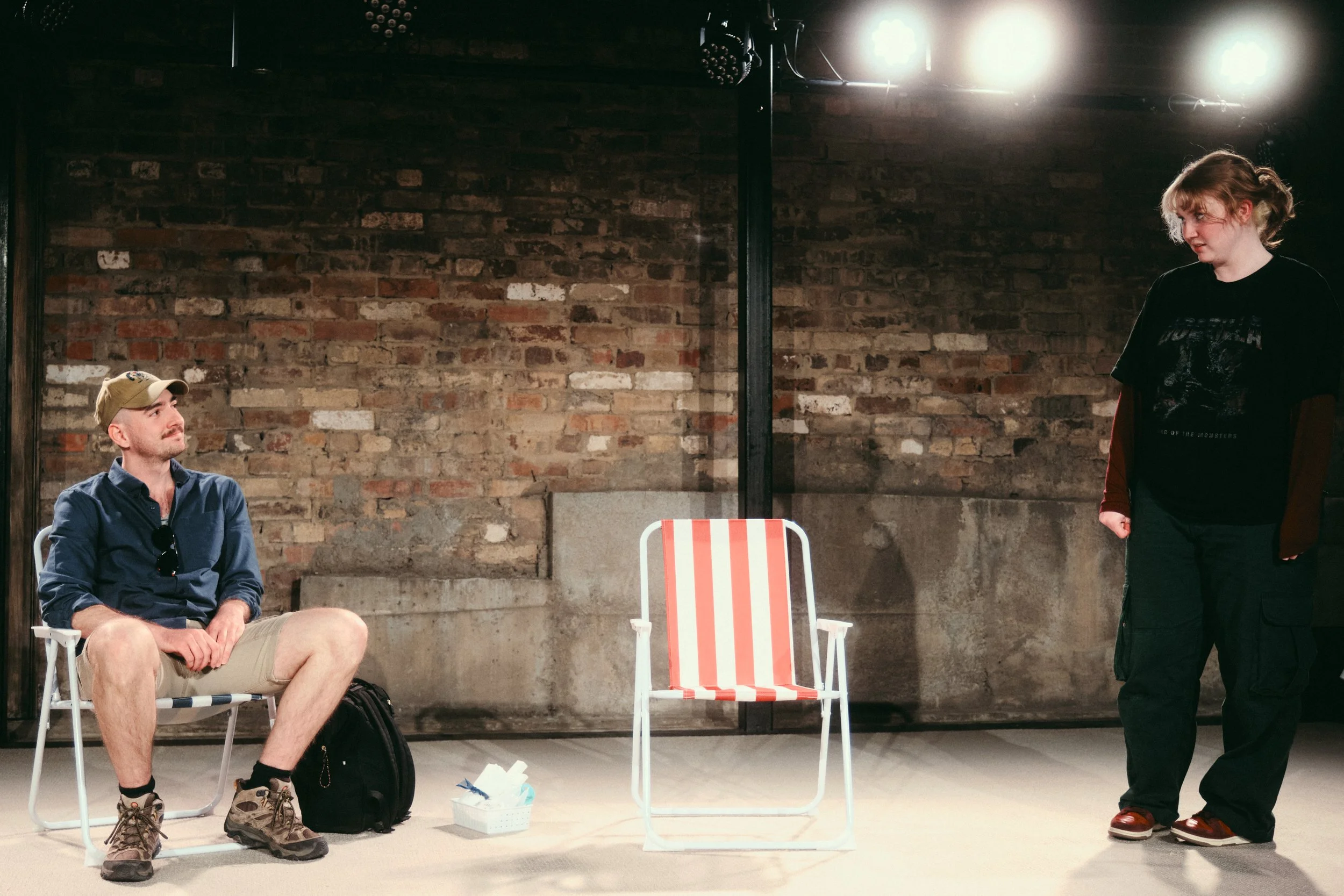
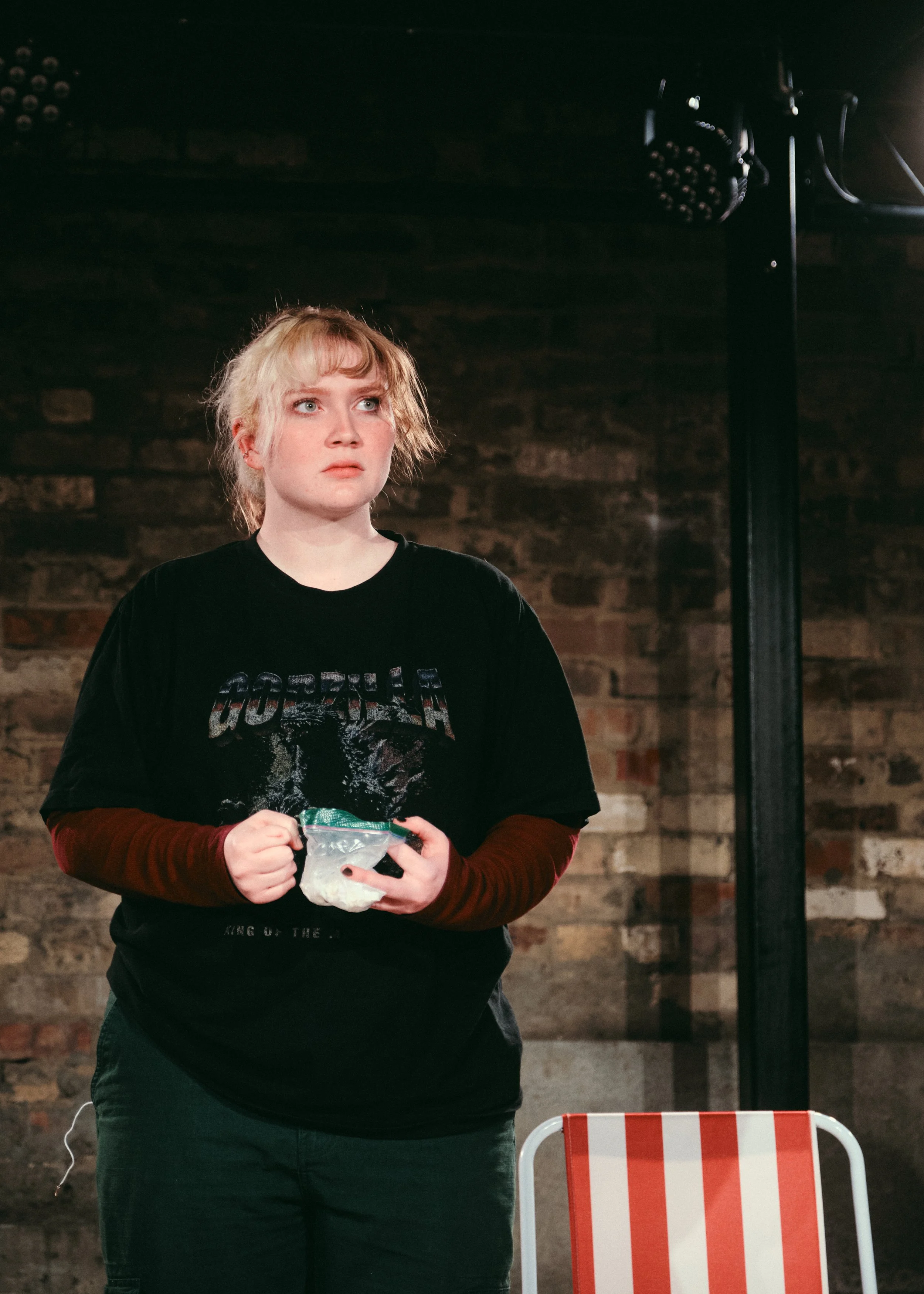
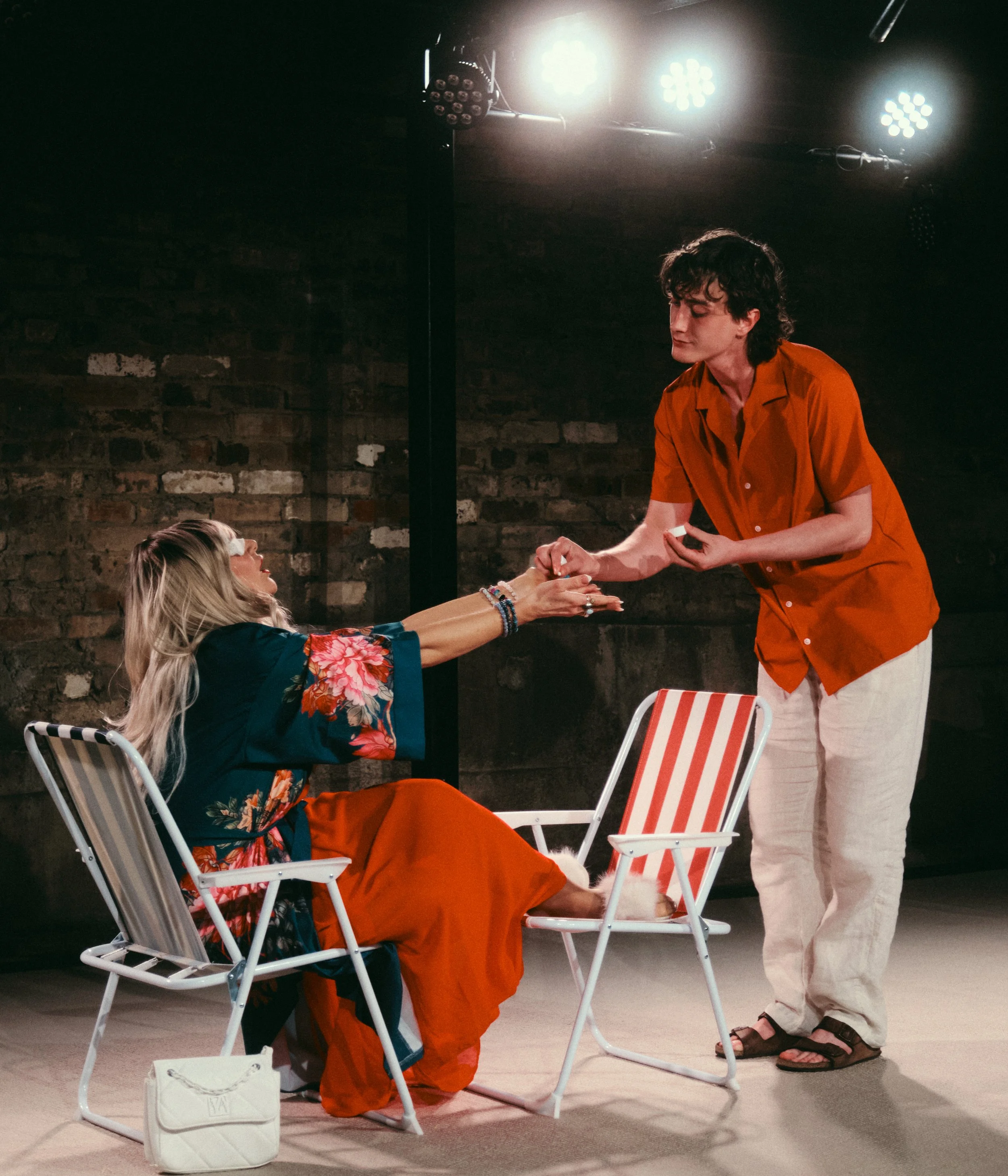
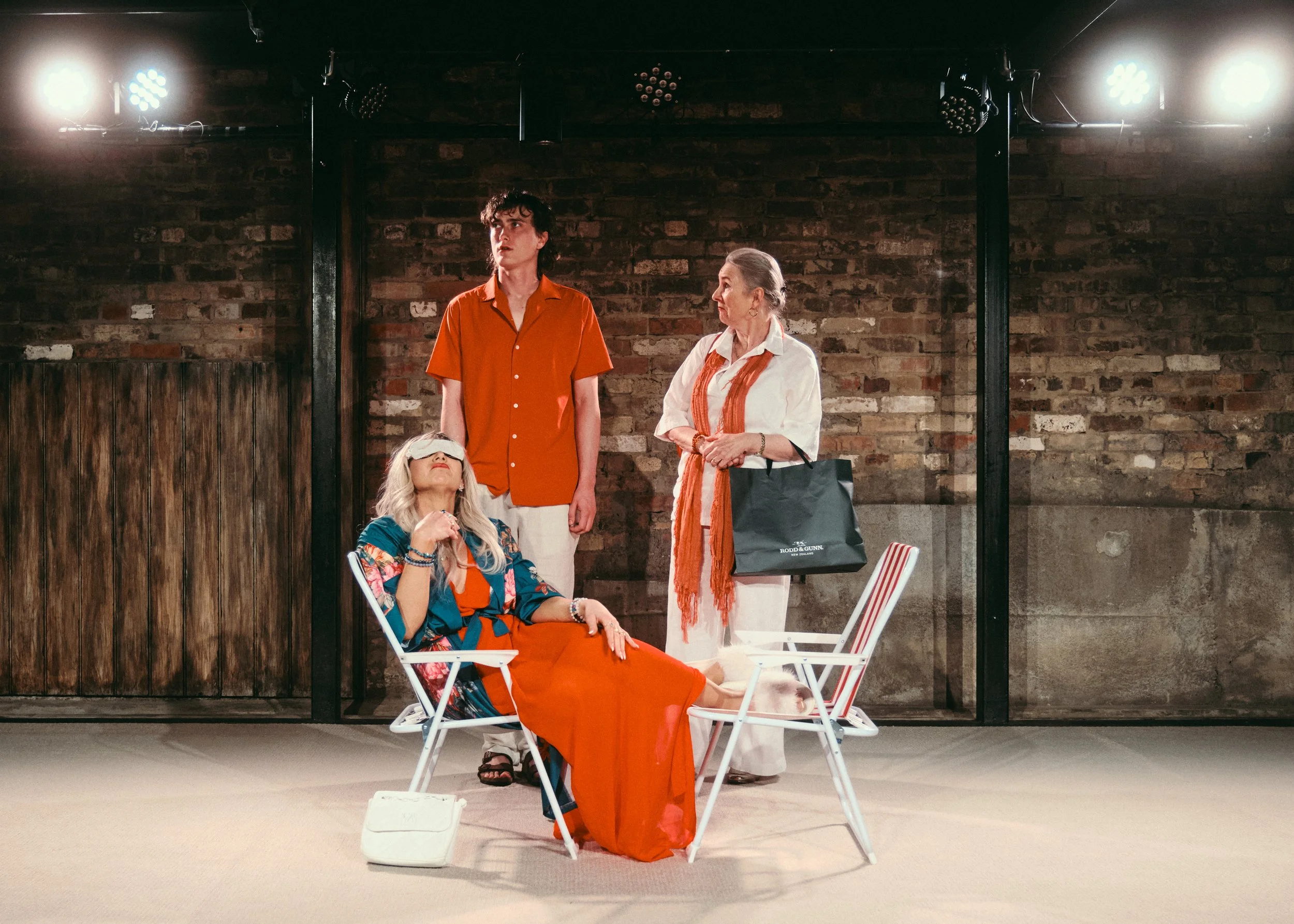
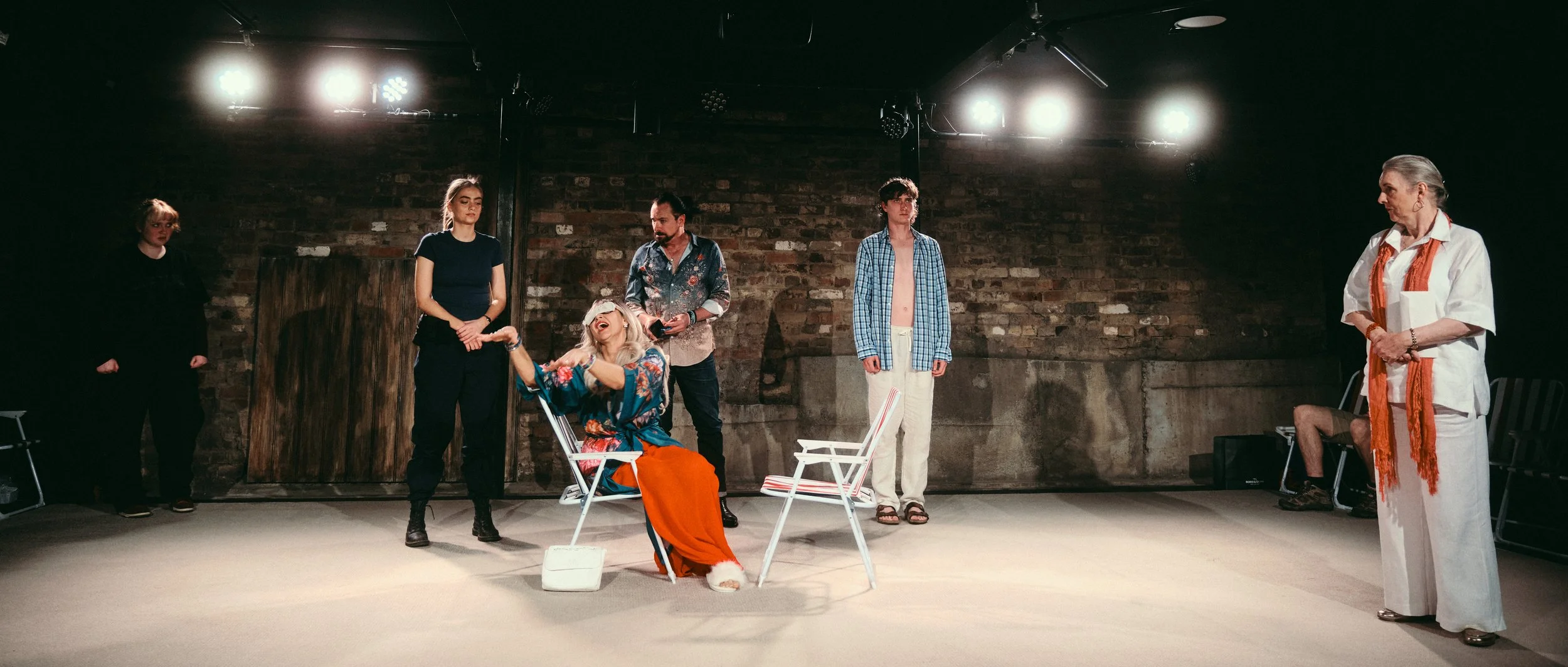
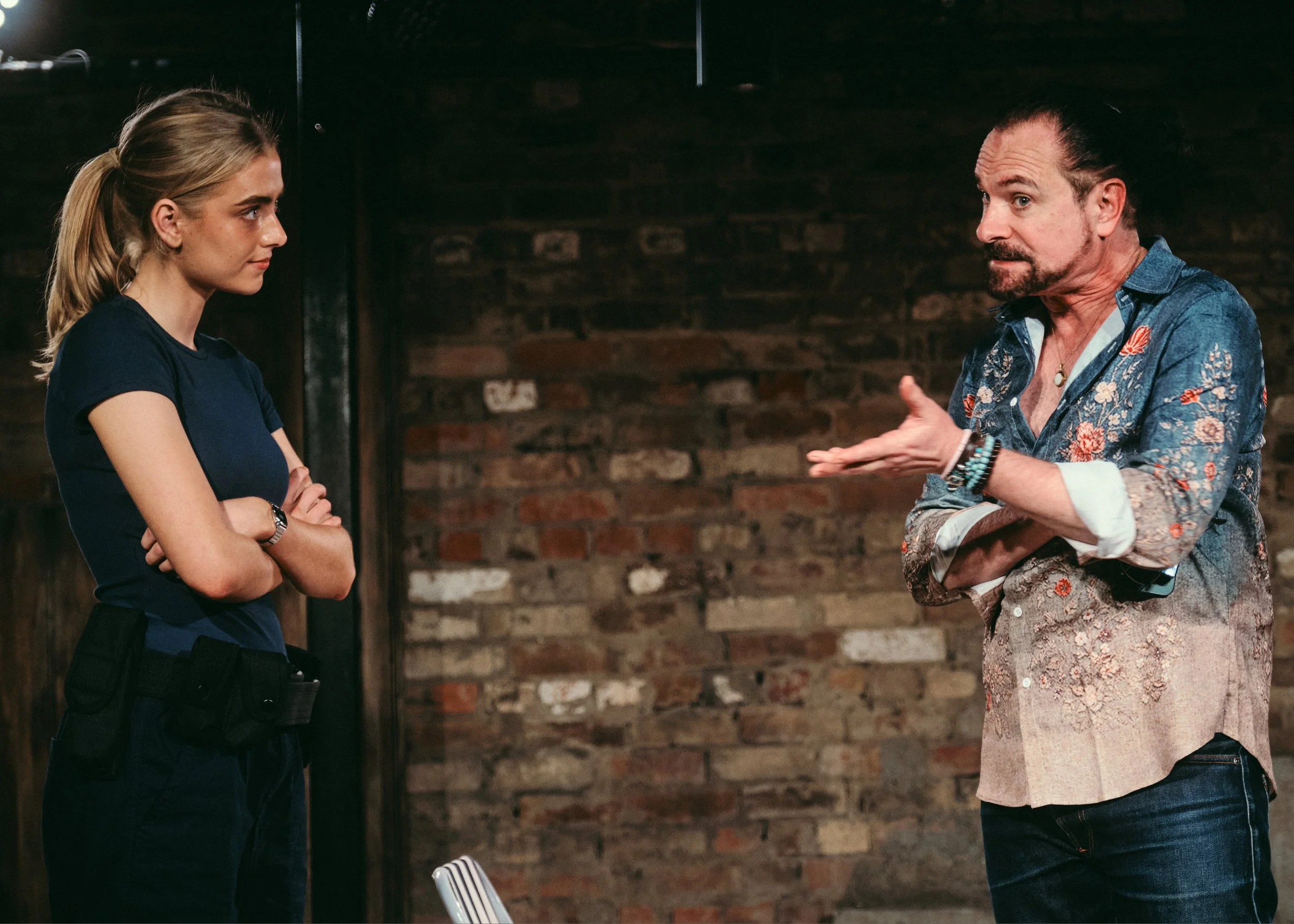
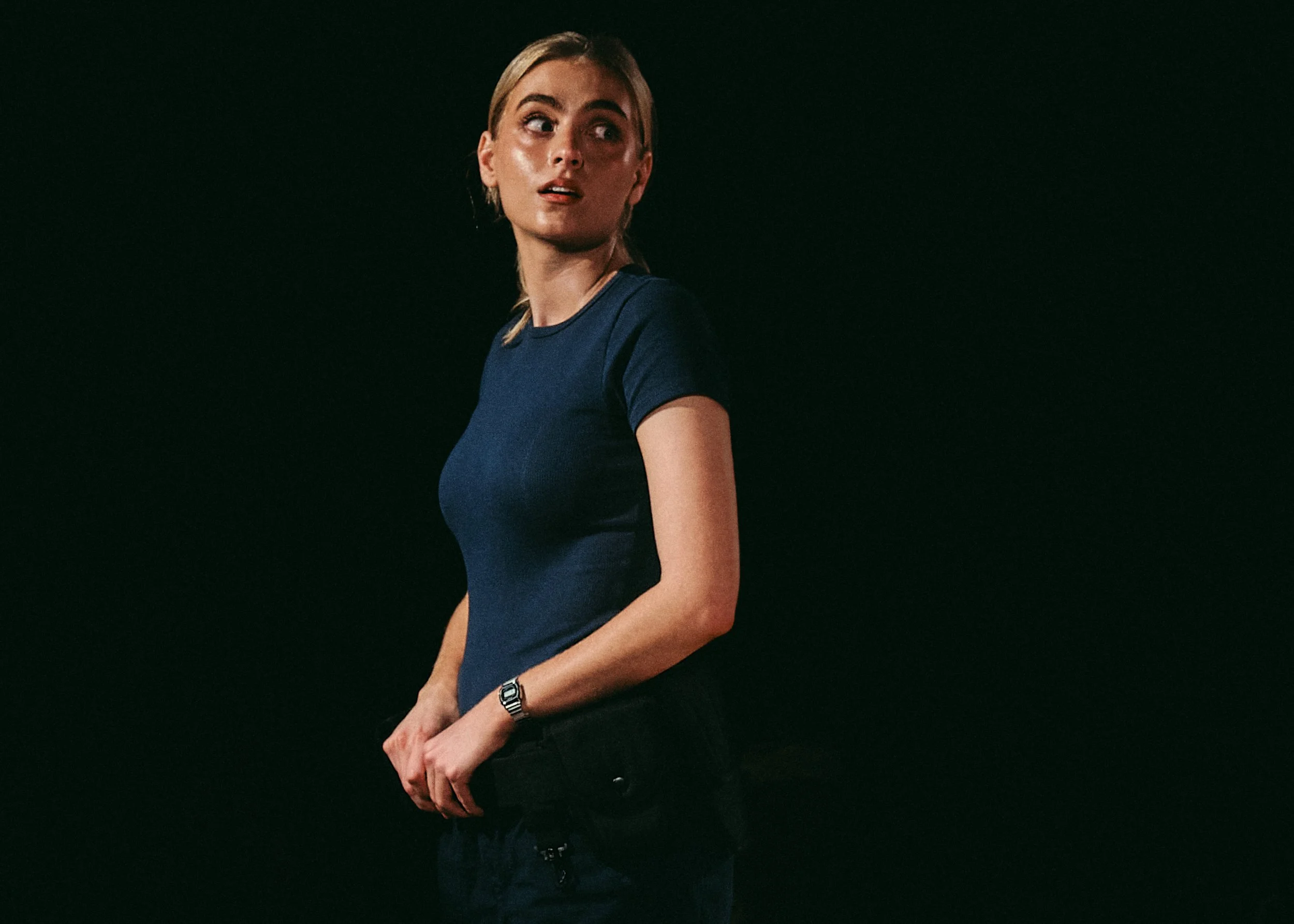
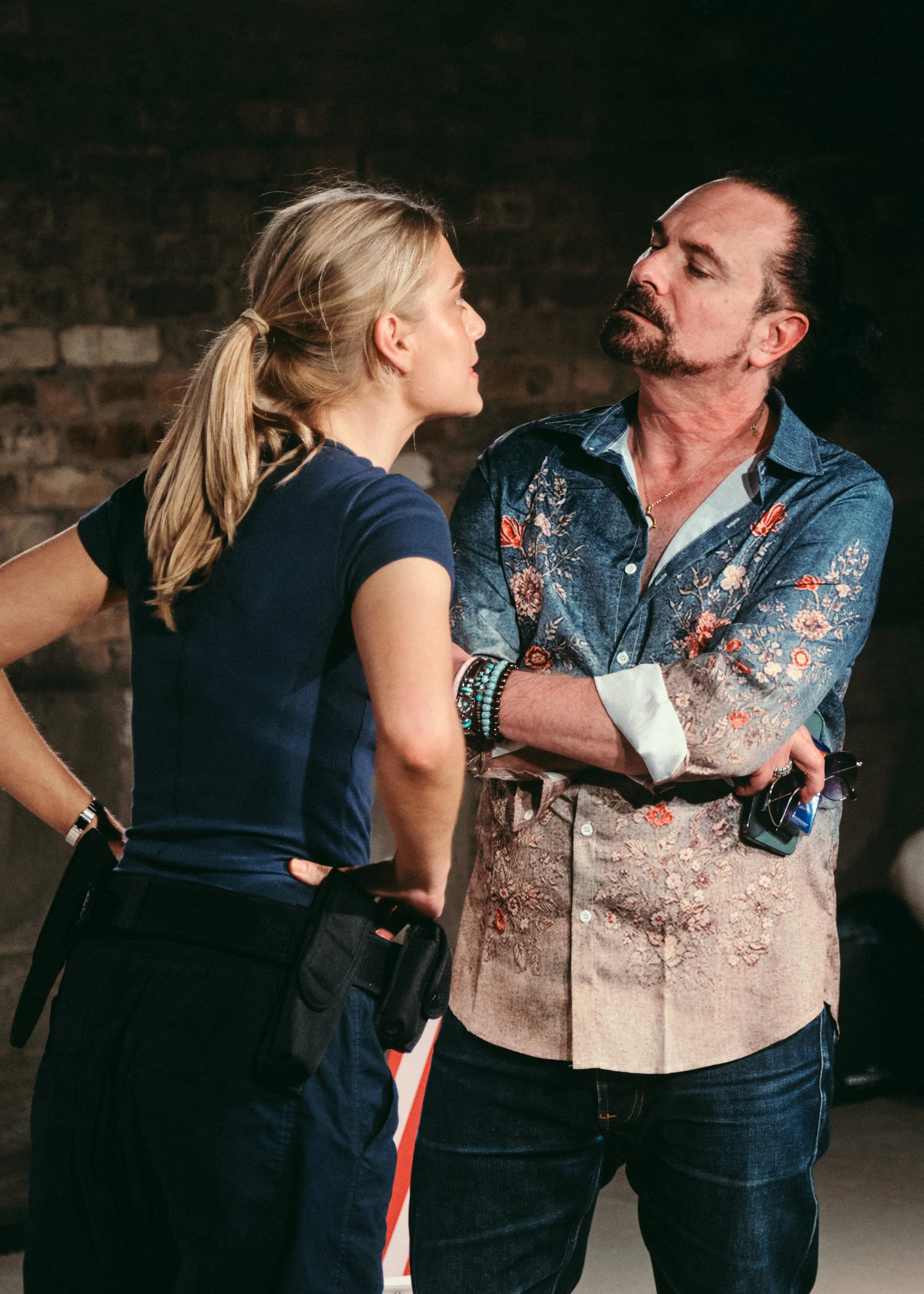
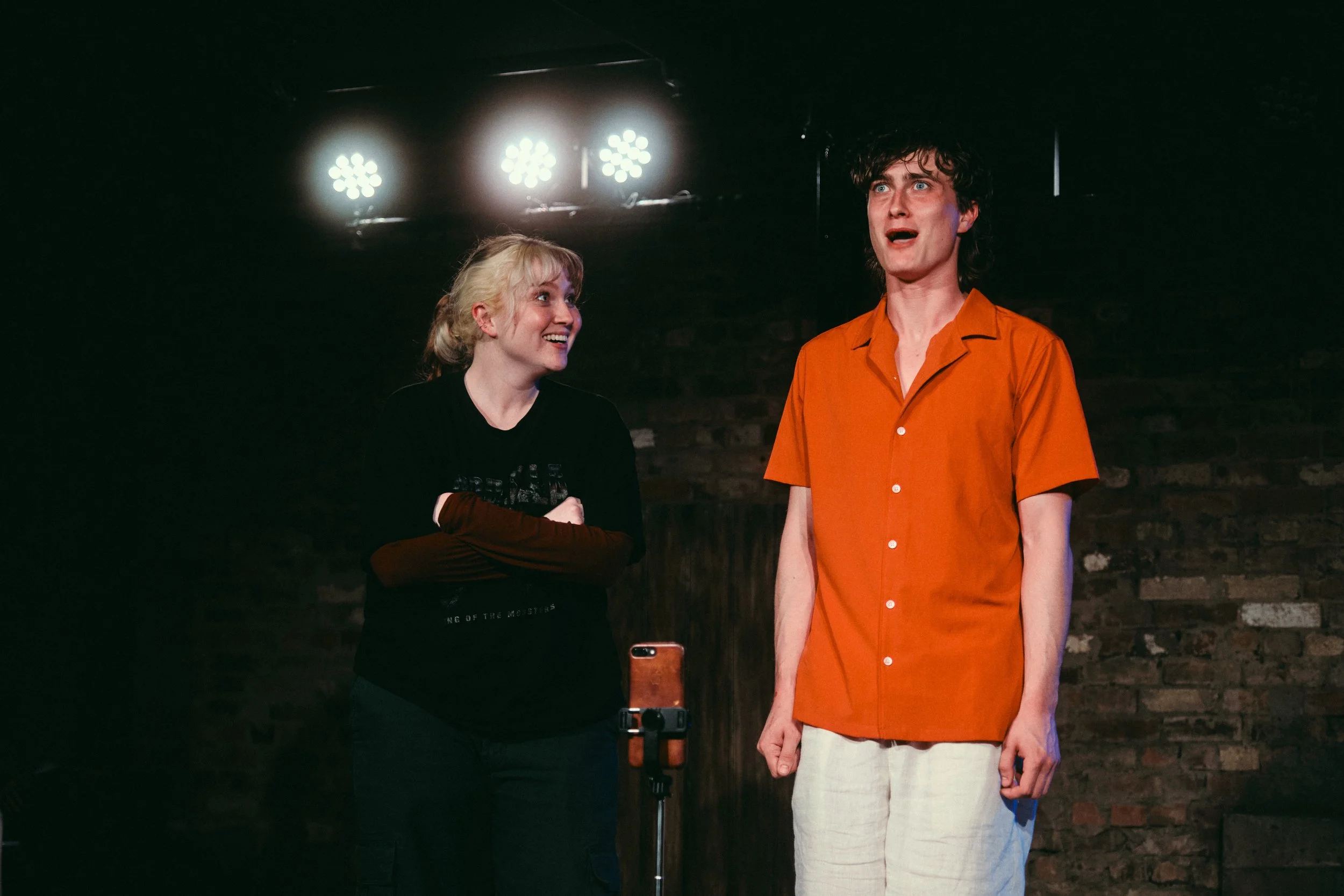
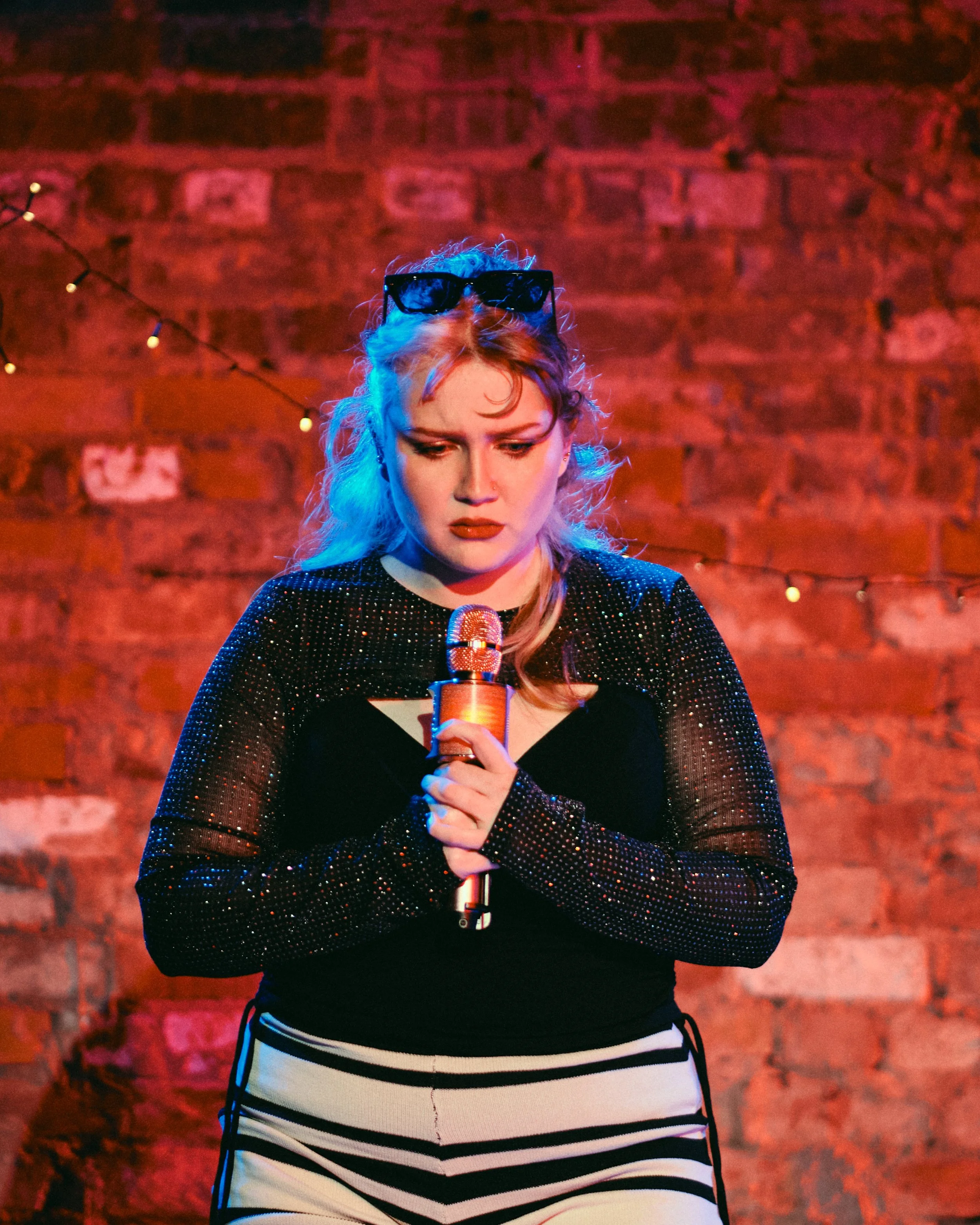
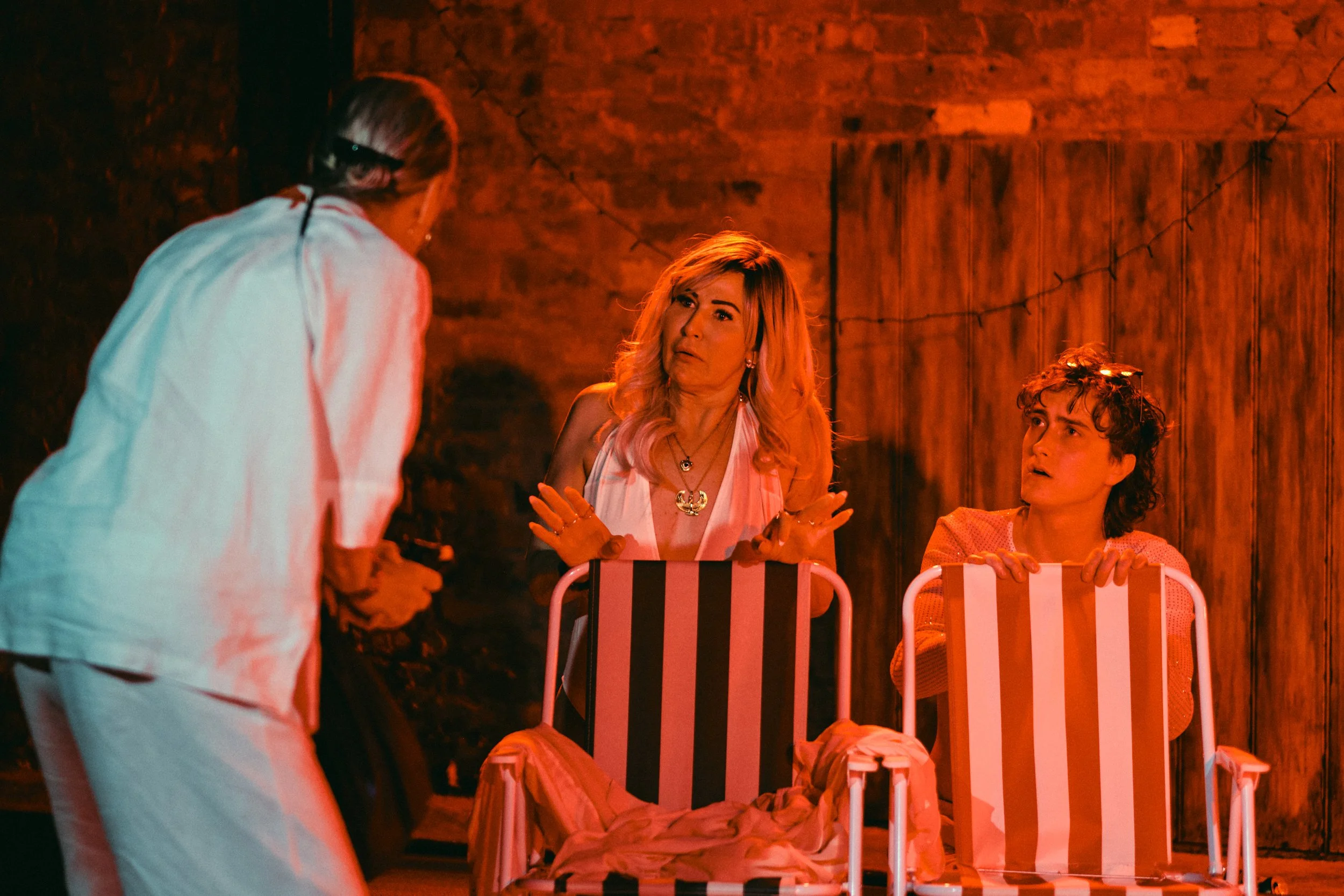
Winner of the Patrick White Playwrights Award, Hot Tub is a tragicomic fever dream set on the Gold Coast during Schoolies Week. Dido, a sad girl from North Queensland, arrives at ‘The Great White’—her estranged family’s crumbling beachside tower—seeking cash for weight-loss surgery in Brazil. When her father refuses, Dido teams up with her scheming twink stepbrother to raise the money online.
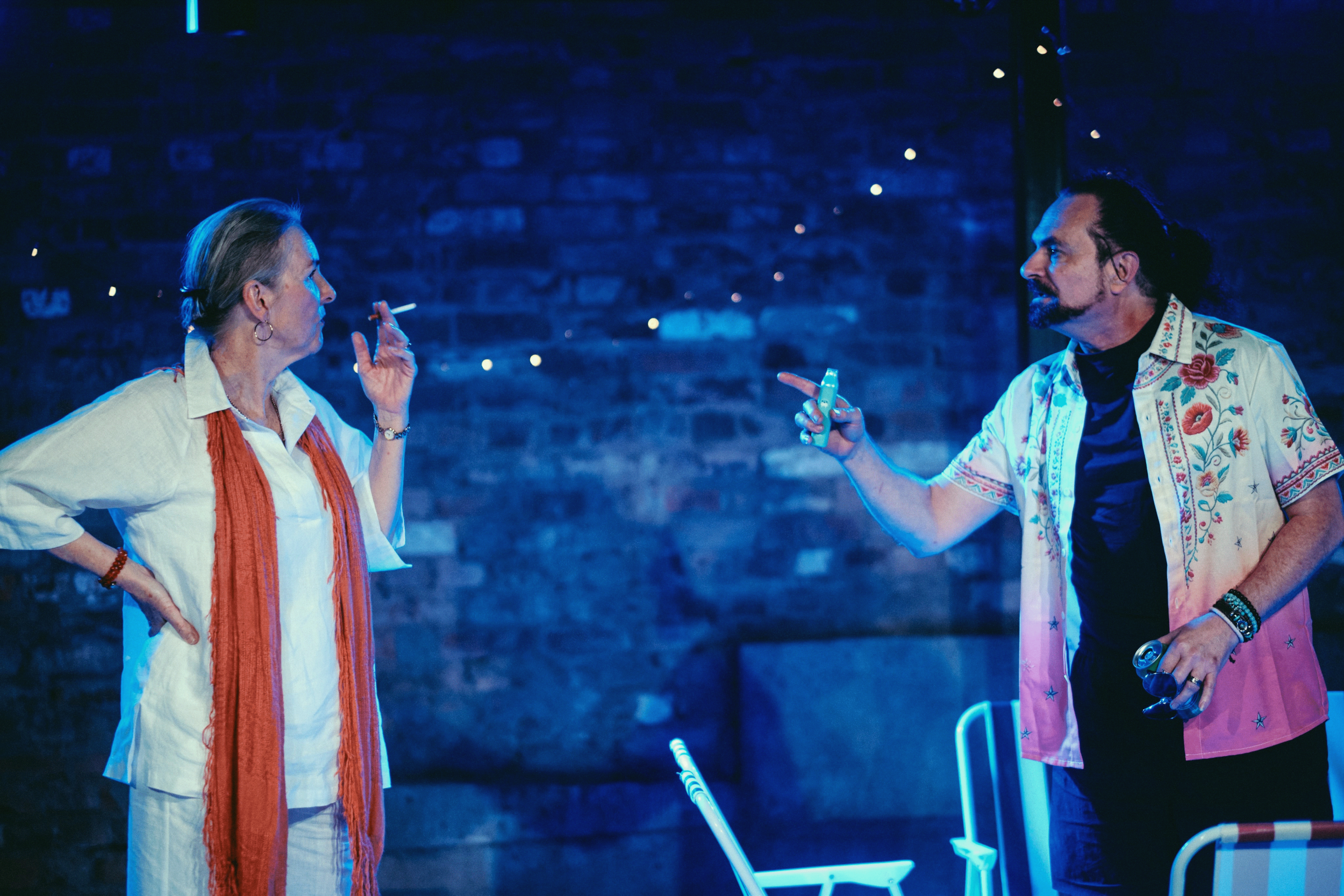
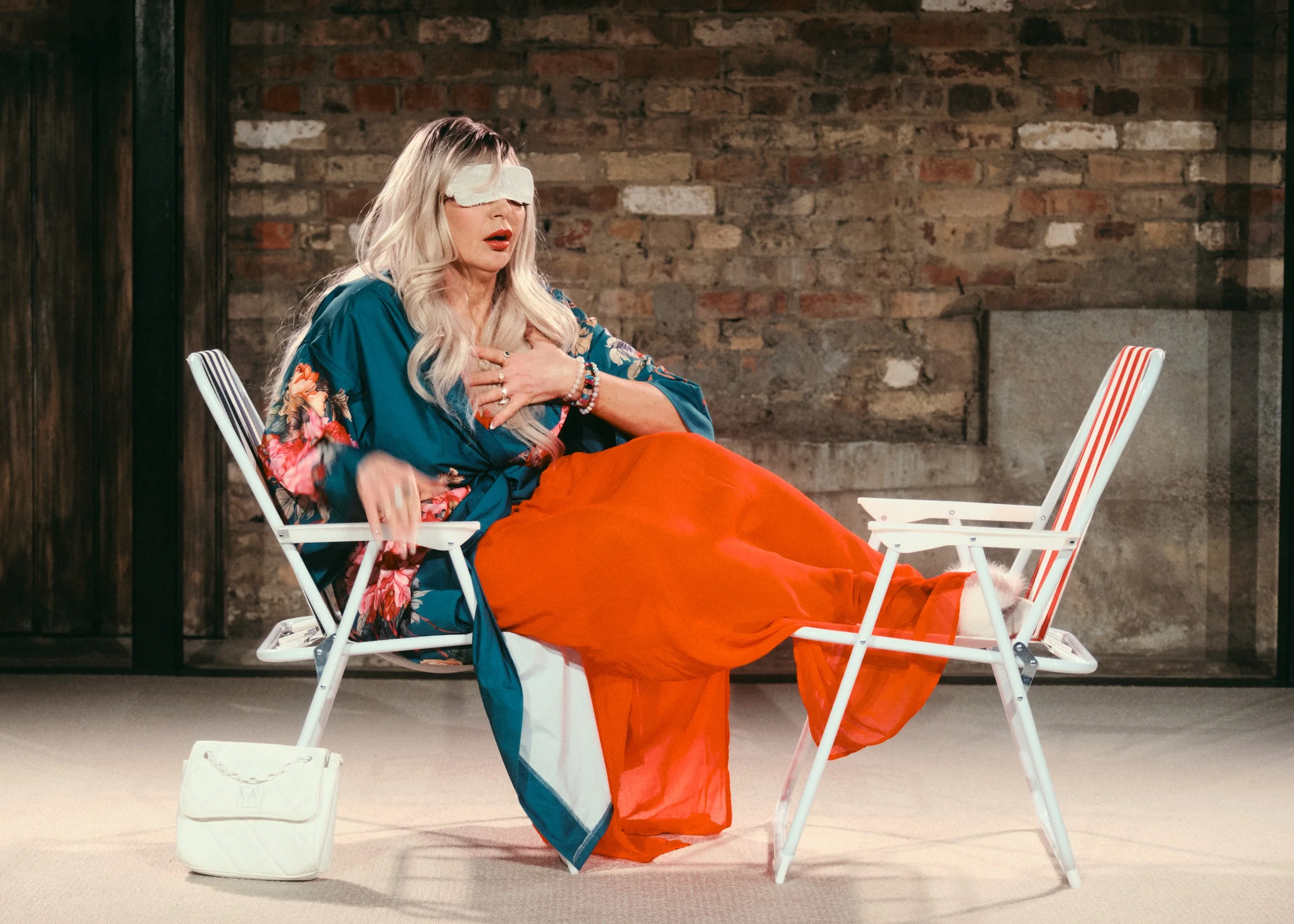
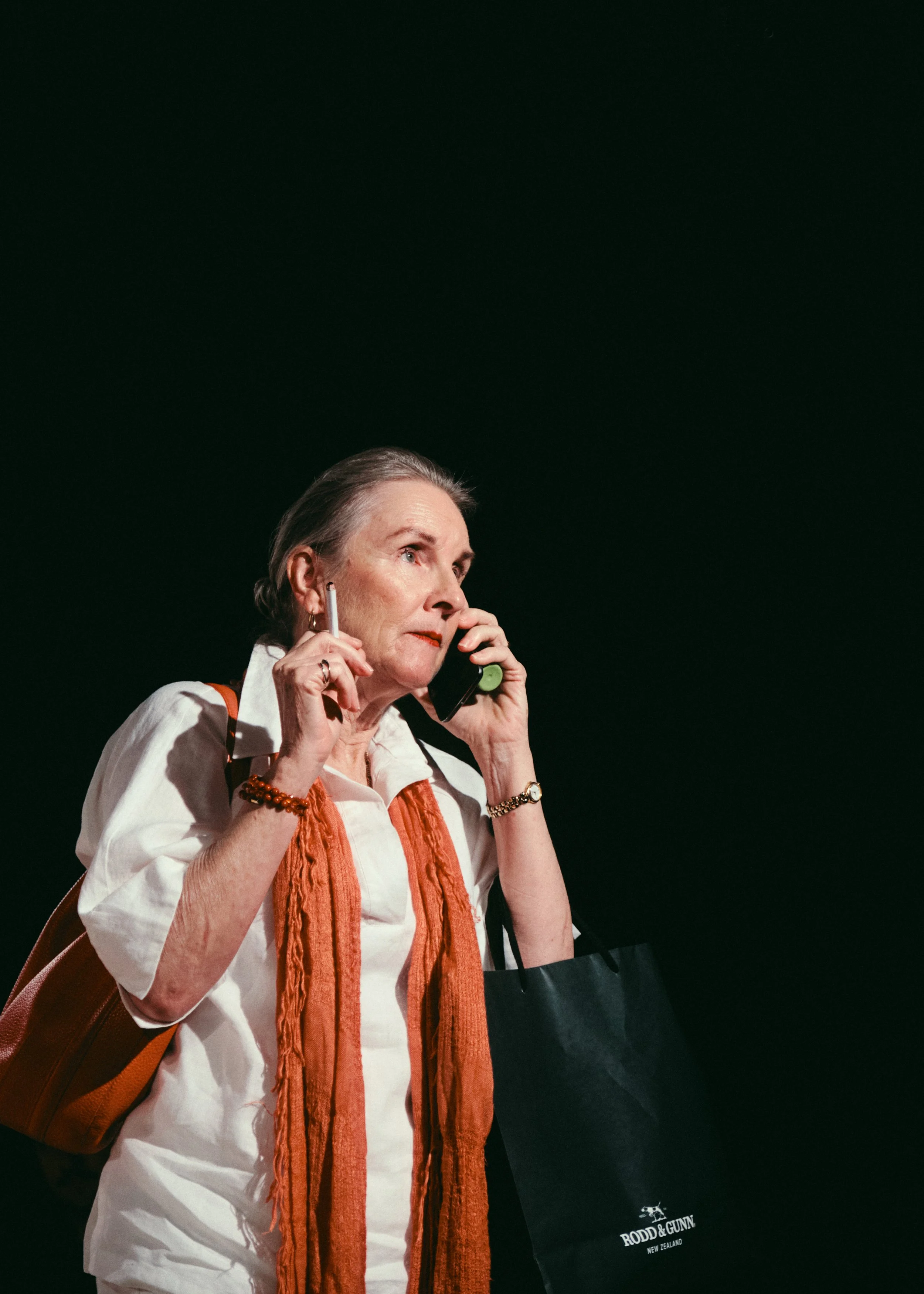
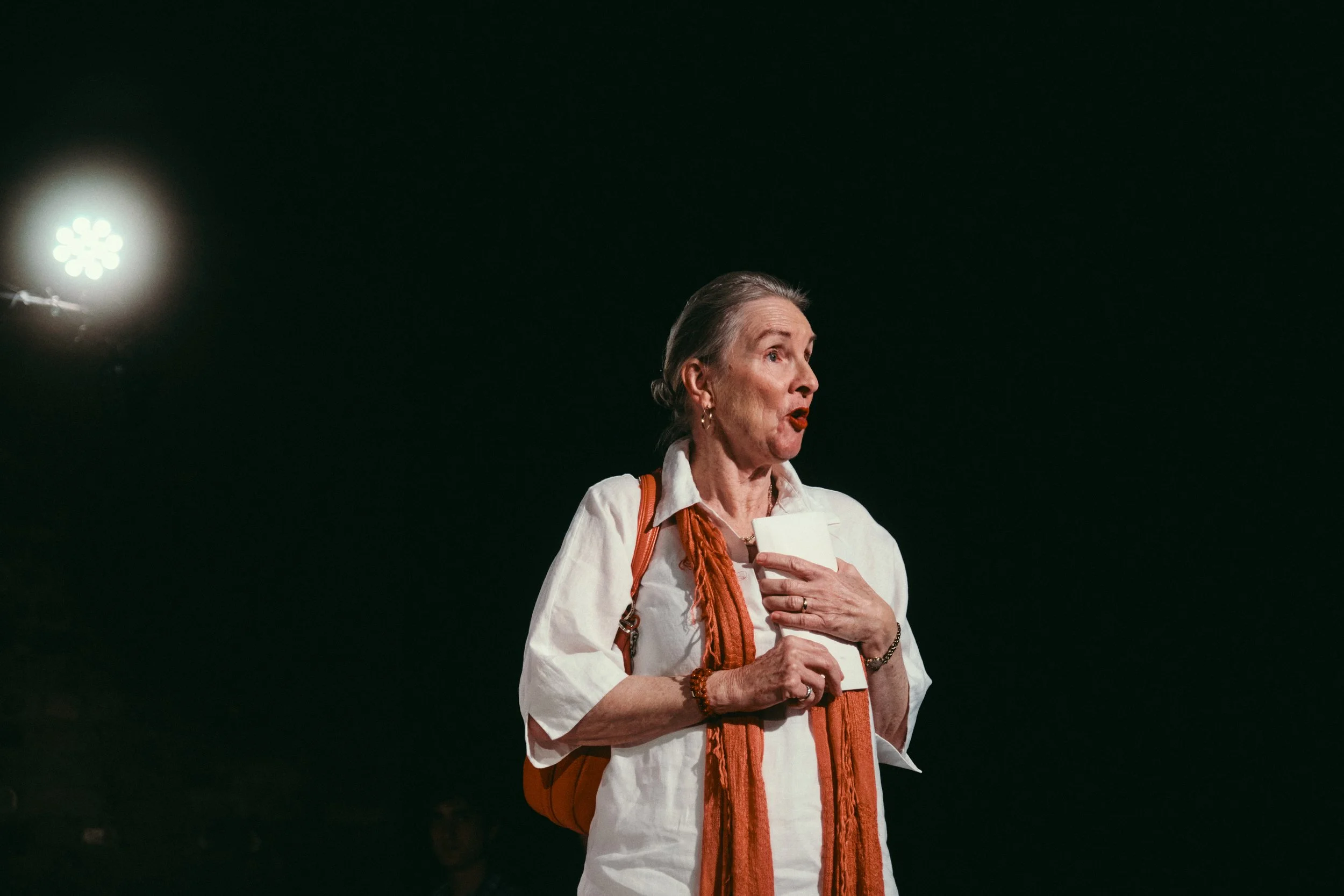
Meanwhile, the family's ageing matriarch Eunice discovers she’s a suspect in a criminal investigation, but refuses to sell the building to keep everyone out of jail.
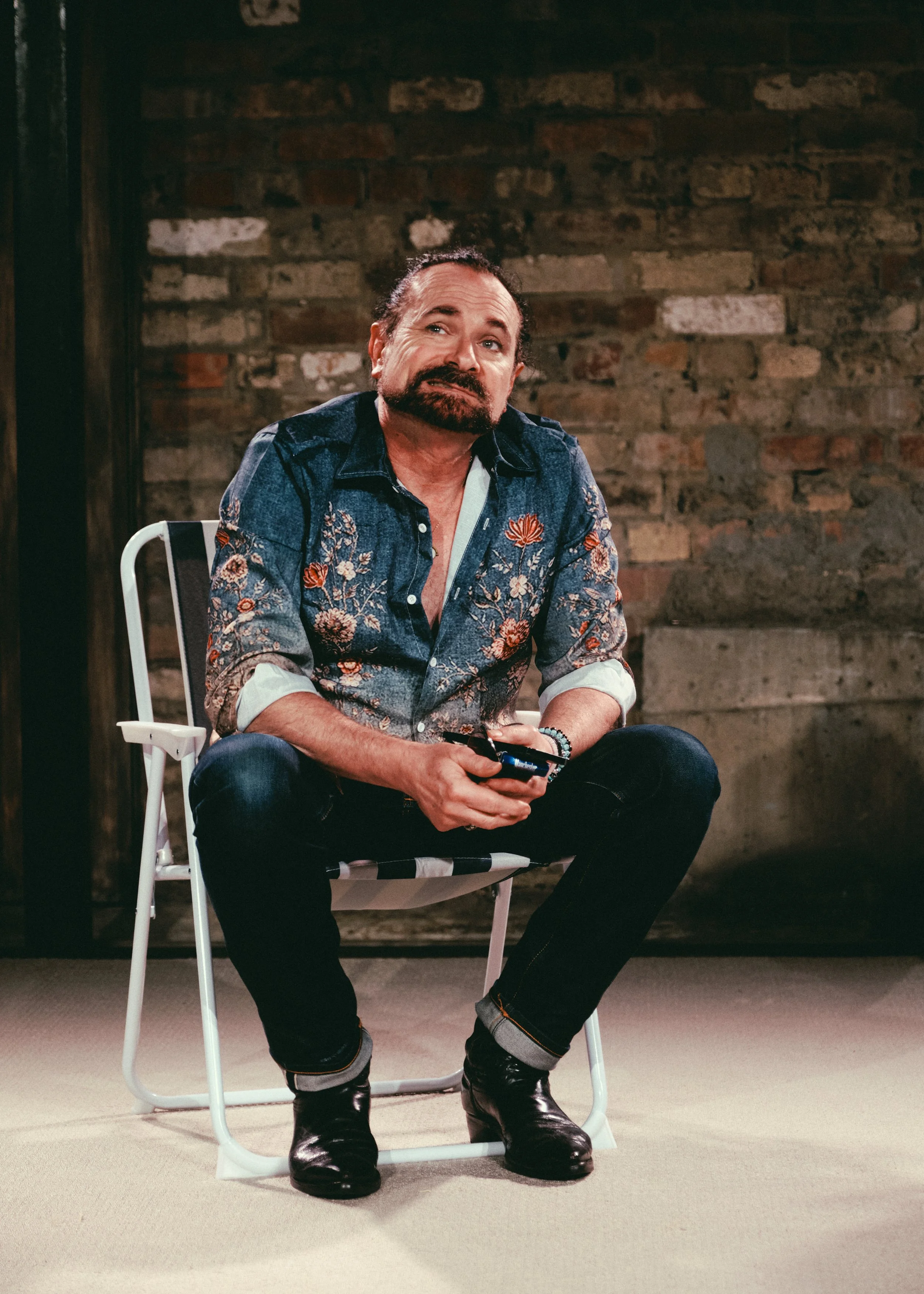
A satirical takedown of Australia’s tasteless upper crust, Hot Tub is packed with explosive secrets, cosmic justice, karaoke, and characters who will stop at nothing to protect their spot on the beach.
Hot Tub premiered at the Belvoir Street Theatre in 2024.
Time Out wrote:
Shamelessly crass and Aussie to the core … Pantomime-like-levels of camp and perverse parallels to the humour of Kath & Kim aside, Treston is able to pack in clever and unexpected deep cuts when it comes to commentary about the superficiality and greed that underlies modern life in Australia, as well as broader ruminations on the meaning of life.
-
In his seminal work on Australian aesthetics The Australian Ugliness, architect and social commentator Robin Boyd describes Surfers Paradise as “a musical comedy of Australia come to life. It is a fibre-cement paradise under a rainbow of plastic paint.” It’s remarkable how potently his phrasing evokes the place itself, how familiar it is to anyone who has spent even an afternoon at Surfers. Remarkably, this is Boyd writing in 1960, and yet it still applies. There’s a rambunctious quality to Surfers, a place seemingly unstuck in time and space, both modern and nostalgic, local yet foreign, slick as hell yet caked in grime, a “rainbow of plastic paint”.
Boyd writes about Surfers with a slight disdain, a snobbishness for its excess and performativity. Over fifty years later, Lewis Treston writes about Surfers and the wider Gold Coast, the place that birthed him, with far more affection. What Boyd sees as excessive artifice, Lewis sees as a stage for an eclectic cast of characters to perform their pursuit of wealth, beauty and pleasure, at often great cost to themselves and others. He sees the “musical comedy” of it all and embraces it. Maybe it’s because Lewis is an insider, not viewing the place with an outsider’s critical eye. His own eye is certainly critical, but while commentators like Boyd might be stuck on what Surfers Paradise is, Lewis is far more interested in why, and even more so, what it says about who we are as a species, here and now.
The first thing that strikes you about any of Lewis’ work is how effortlessly funny it is, much like Lewis himself. Within pages of first reading Hot Tub, I was completely dazzled by the magic of his wit, each line as clever and outrageous as the last. That’s the trick he pulls though—he distracts you with the razzle-dazzle of his language before striking you, right between the eyes, with something more profound and astute. At its best, theatre can be a mirror to its audience to see themselves in. Lewis constructs fun mirrors, but that doesn’t make them any less reflective. As dedicated as he is to wordplay, rhythm, camp and the absurd, he’s just as dedicated to truth, honesty, sincerity and humanity.
The best description I’ve heard of Hot Tub was one Lewis shared with me, when Dan Evans called the play “Chekhov with a spray tan”. That couldn’t be more on the money. Lewis’ saga of Dido Hunter and the Hunter-White family on Surfers Paradise is not that far removed from the aristocratic family in The Cherry Orchard, right down to its concerns about property, inheritance, legacy and inter-generational rupture. This, more than anything, made me want to direct this incandescent play, the realisation that Lewis’ immediate, contemporary, preposterous gem was just as rooted in the foundations of theatrical tradition, to tell us something about who we are, as uncomfortable or silly as that may be.
It’s been a great privilege to lead this production, not only because of the opportunity to direct this remarkable play from a very dear friend, but to do so with such a remarkable cast and creative team. All of them have approached Hot Tub with intelligence, rigour, imagination and a keen understanding of what it requires—not to impose additional style upon it but to listen intently to everything it has to say, like holding a sea shell up to your ear or reading the auguries in the seas and the stars. We have all approached this production with the determination to make a great piece of theatre, one we can be proud of, one that can do justice to Lewis’ play and one, we hope, will thrill, delight, baffle and move its audience.
A friend once said that every show you make is for someone special in your life. This one is for my wonderful, fabulous stepmother. I thought of her every day working on it.
Enjoy your stay on the Gold Coast!
Daniel Lammin
SPECIAL THANKS
Marcus Oborn for his assistance as Vocal Coach (Website: marcusoborn.com)
Michaela Faux for her assistance as Intimacy Coordinator (Instagram: @michaela.fauxx)
Anni Badger, Michele Jensen, Chloe Moxly, Ben Nichols, the team at Pip Theatre, Saën Sunderland, Yvonne Virsik, Teddy Waddingham, Mark and Natasha Winter, and Lupin, our show canine mascot.
-
Please note that this production contains coarse language, fake firearms, sexual references, drug use and references, and discussion of body issues.
This production also contains flashing/strobe lighting and loud noises. -
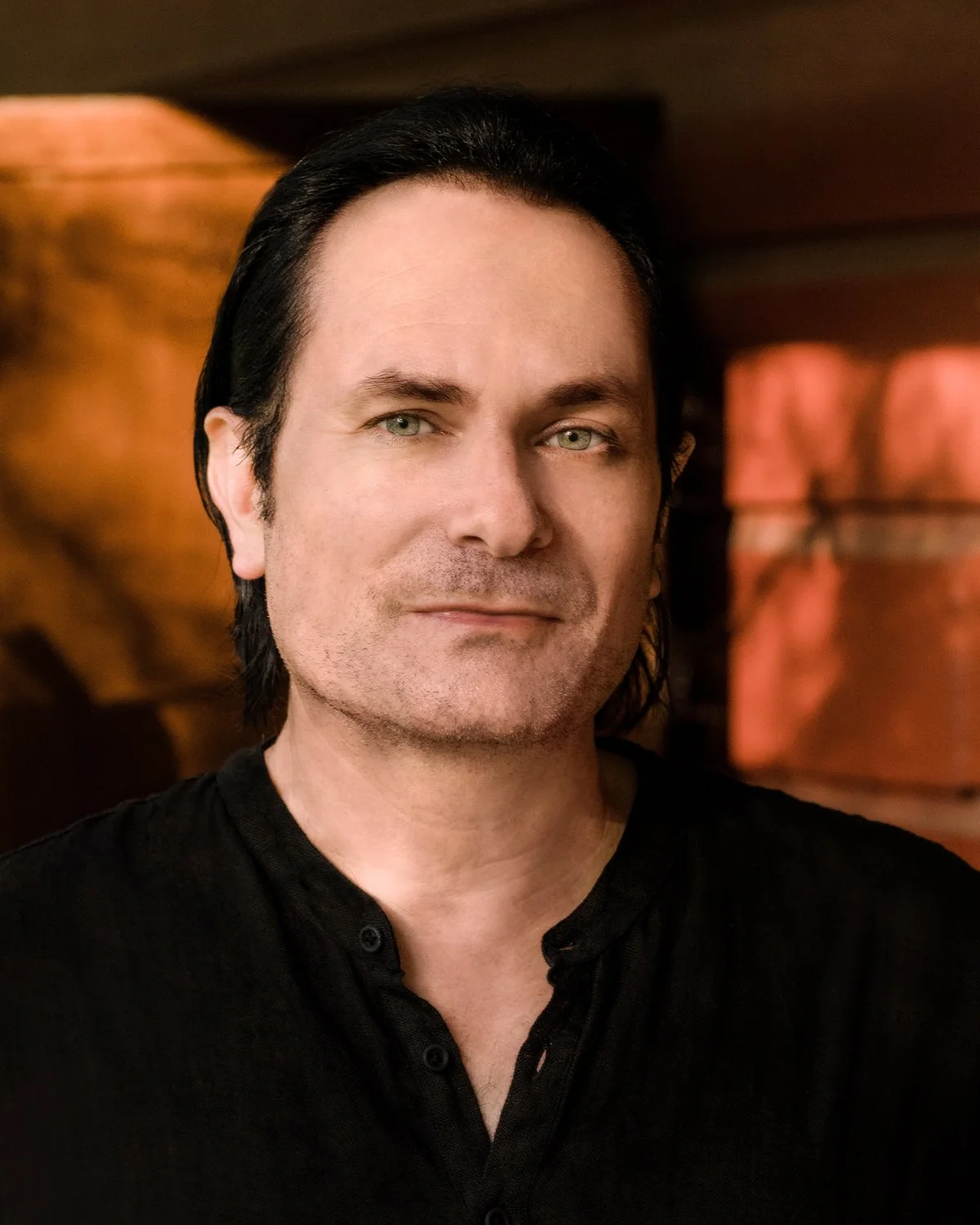
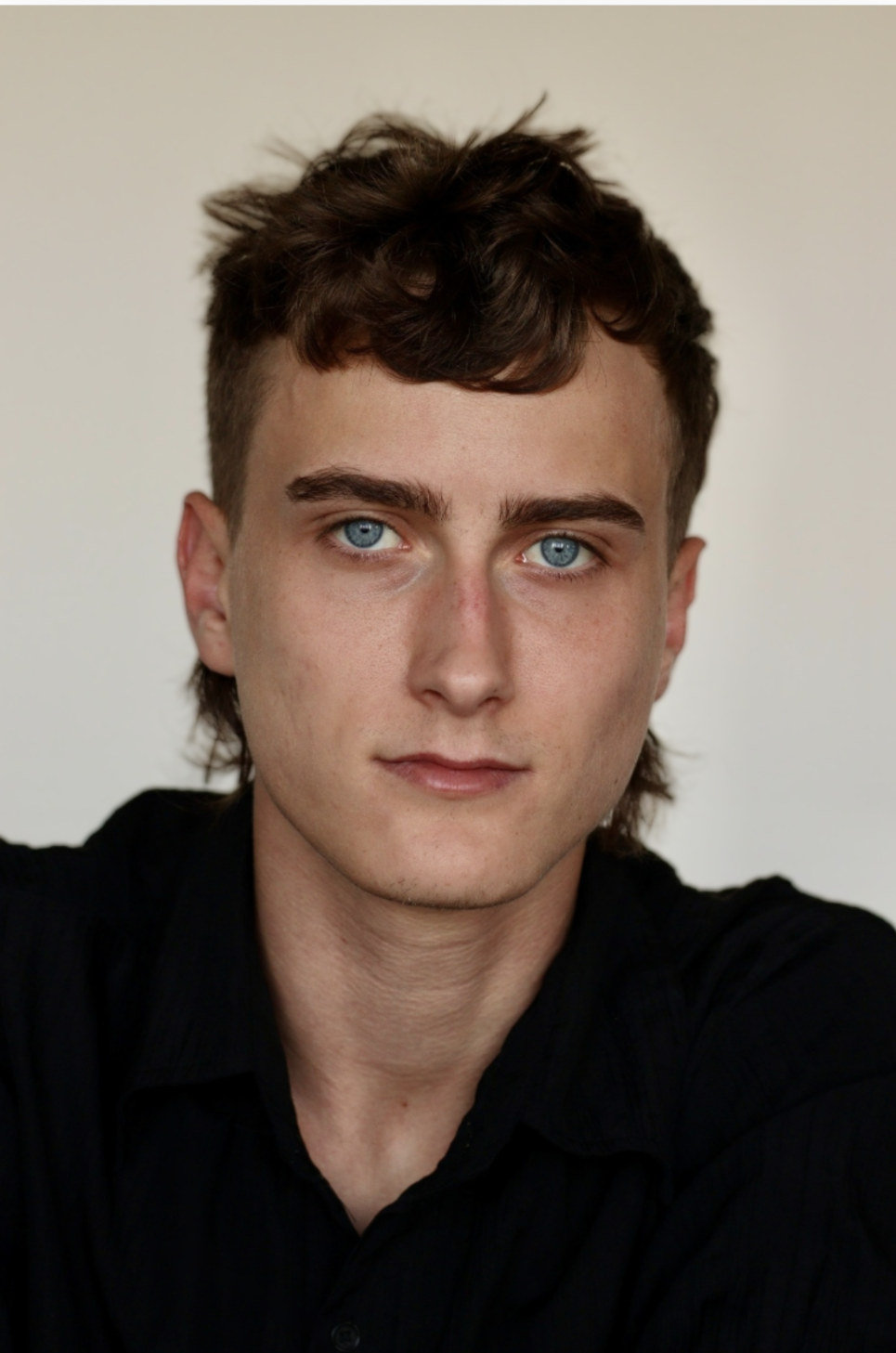
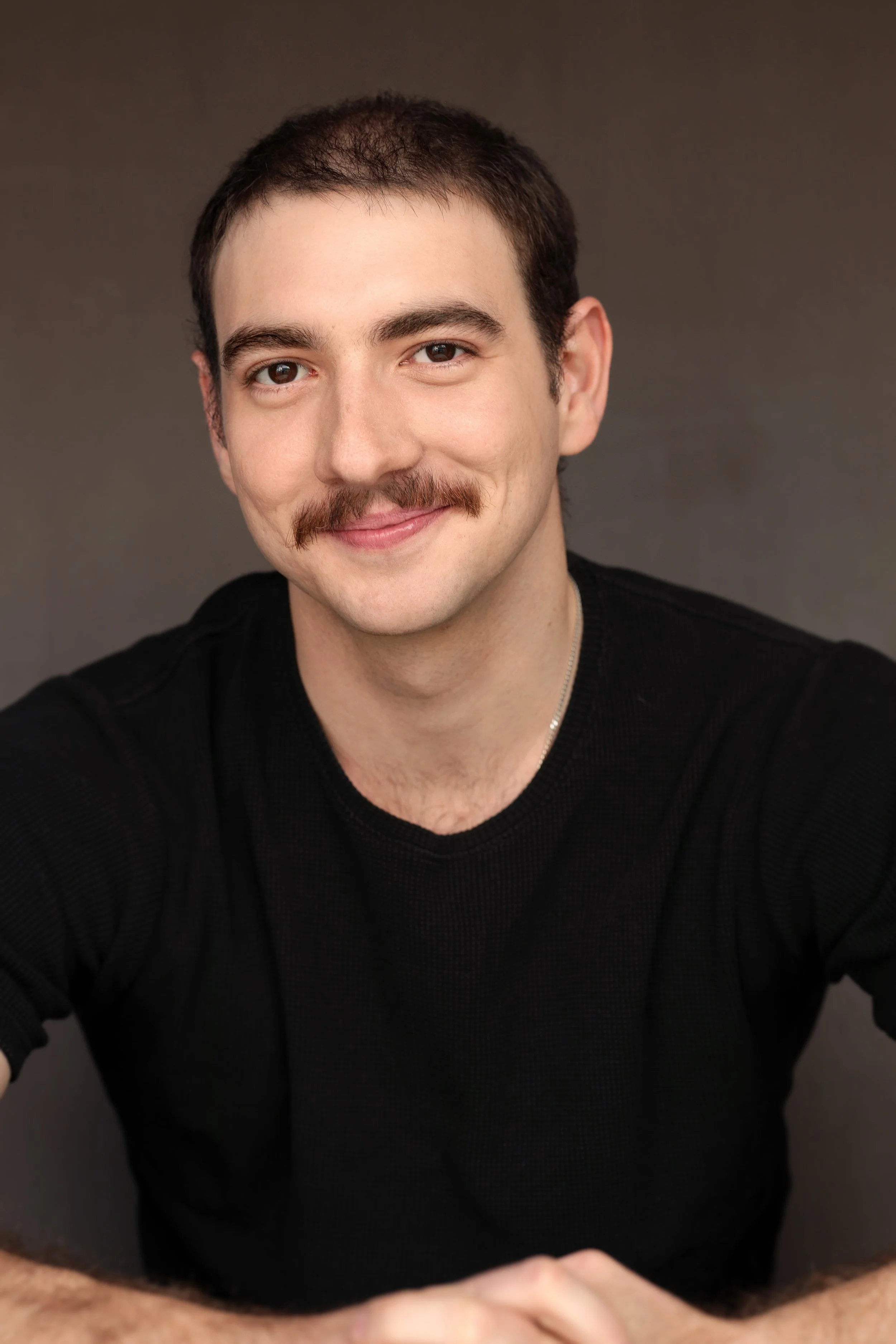
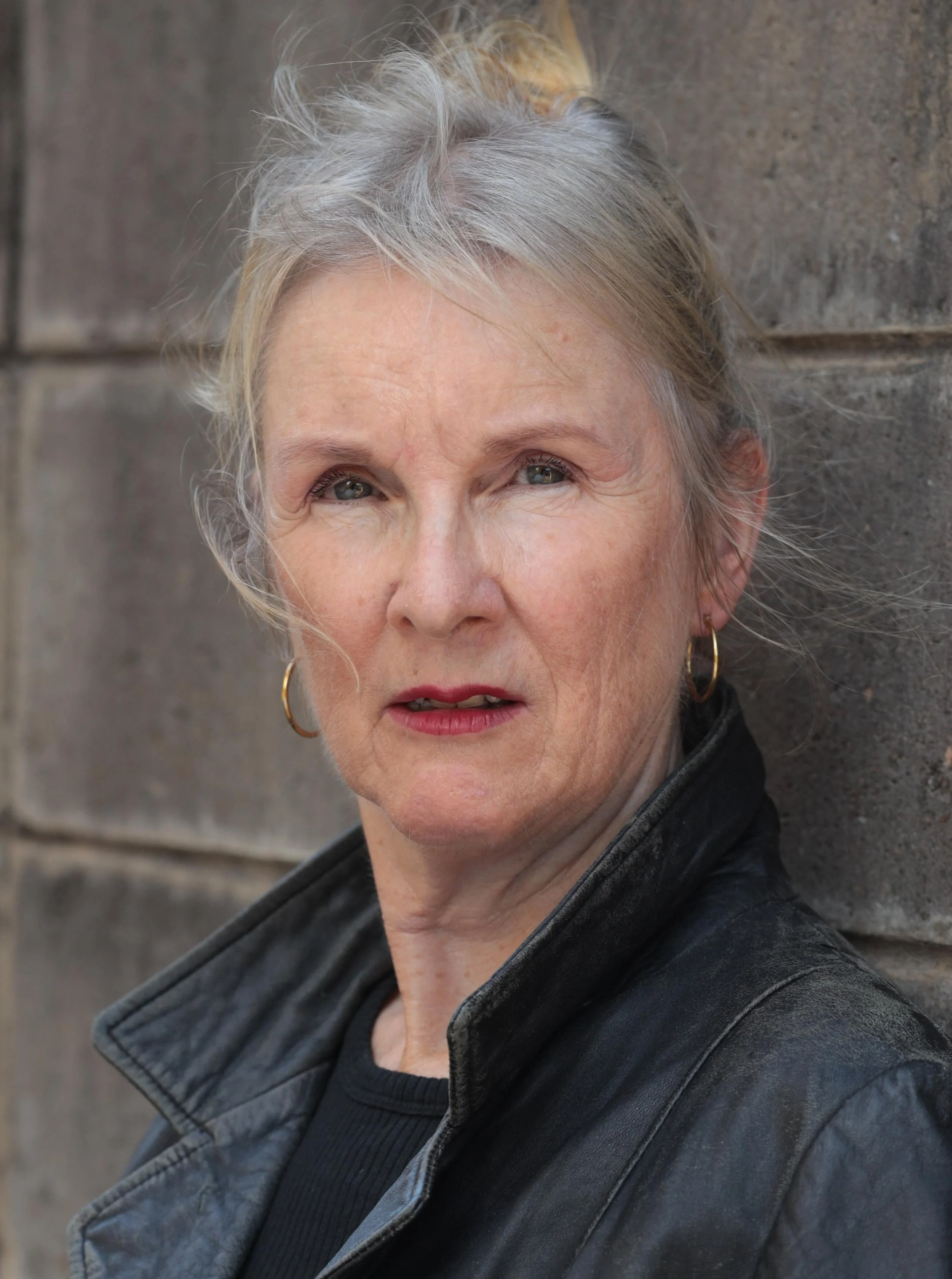
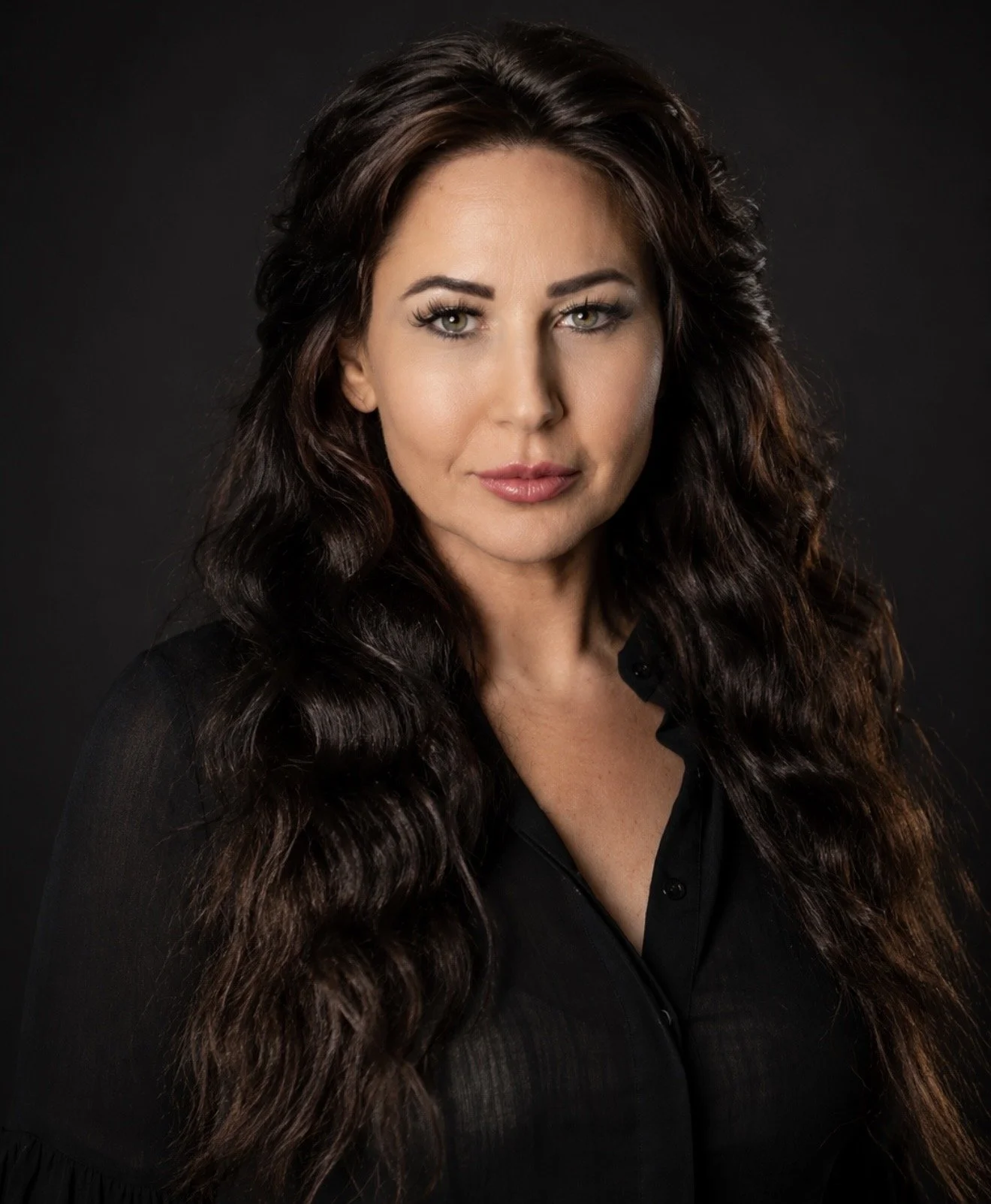
Dido Hunter | Grace Lofting
Murray Hunter | Sandro Colarelli
Eunice White | Sarah Speller
Jade Hunter-White | Natasha McDonald
Reese White | Lachlan Brayshaw
Officer Sheryl | Ruby Gudenswager
Macka/Stinger | Daniel Johnson

-
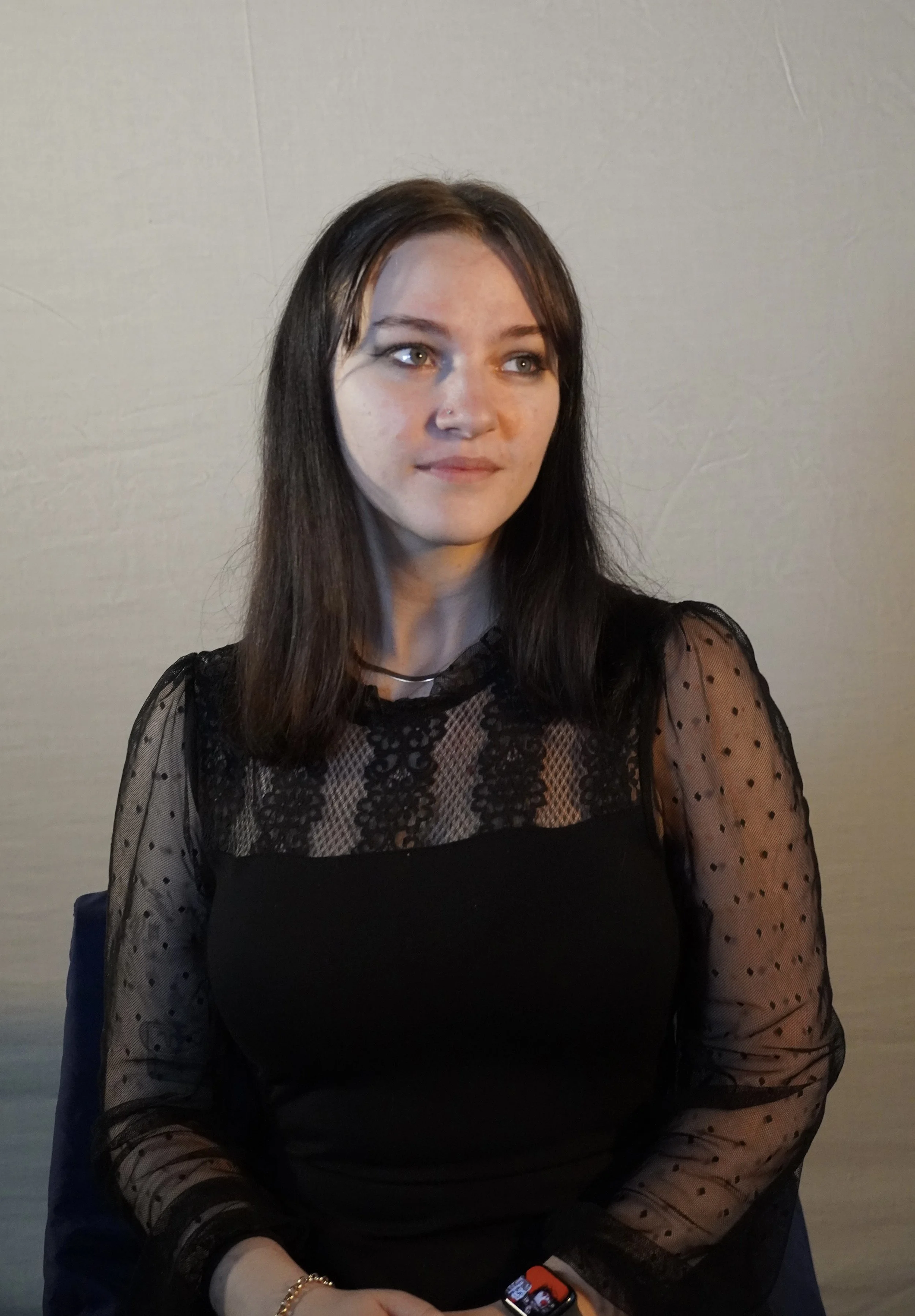
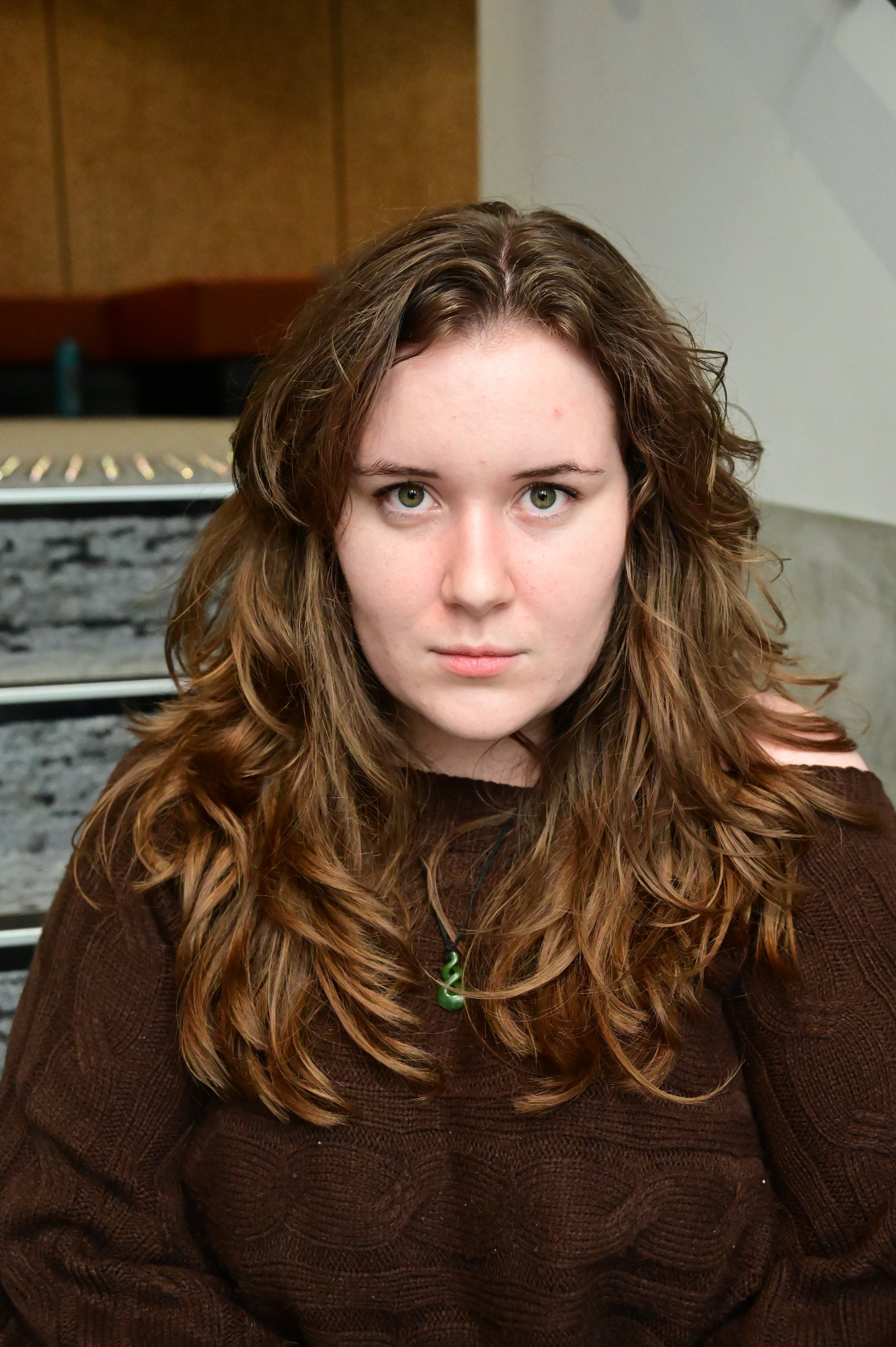
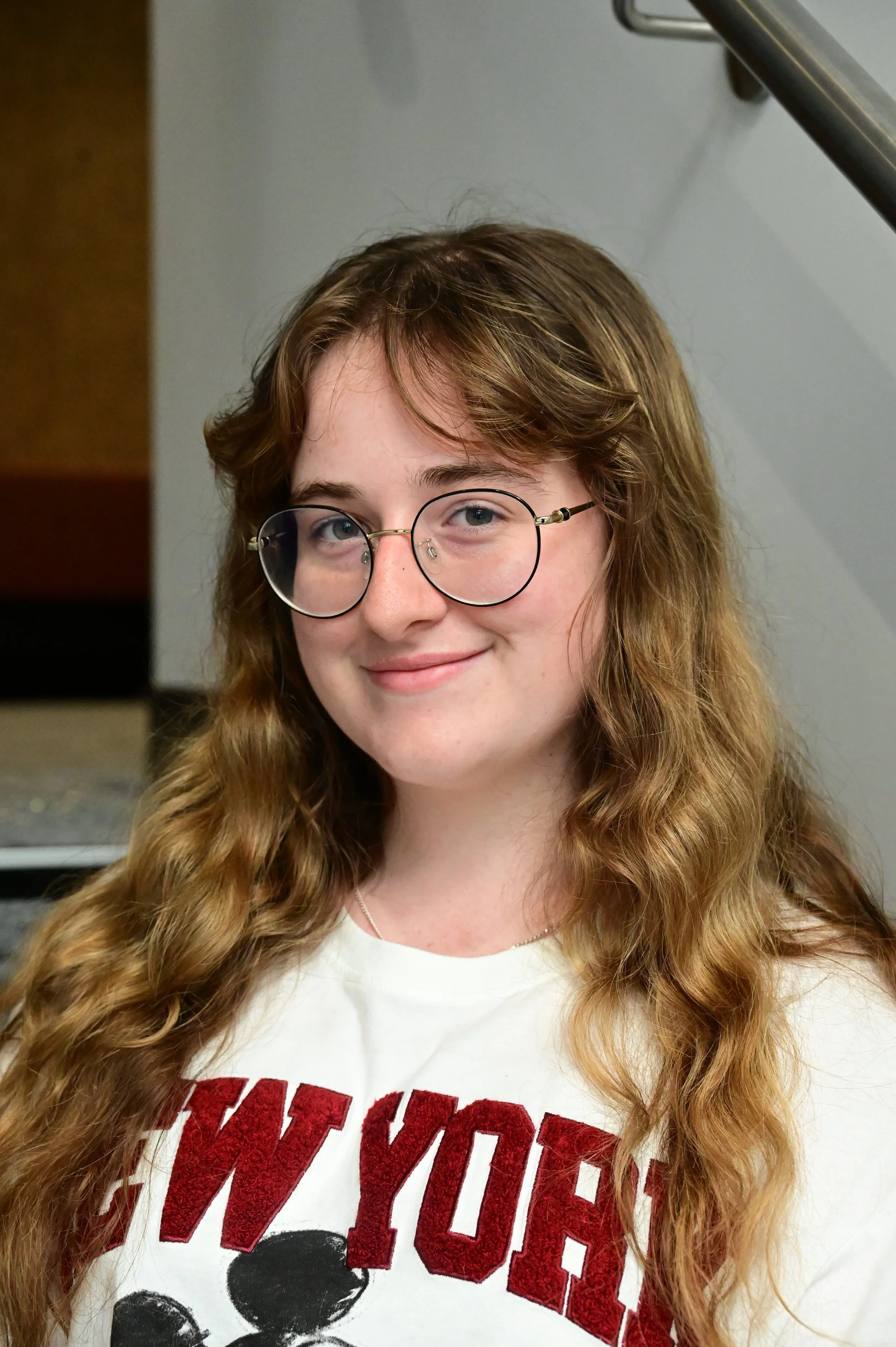
Director | Daniel Lammin
Assistant Director | Ebony Webb
Assistant Director & Sound Designer | Eloise Collins
Stage Manager | Zalee Jensen
Lighting Designer |
Costume Designer | Lottie Banford
Set Designer | Ashleigh Winter




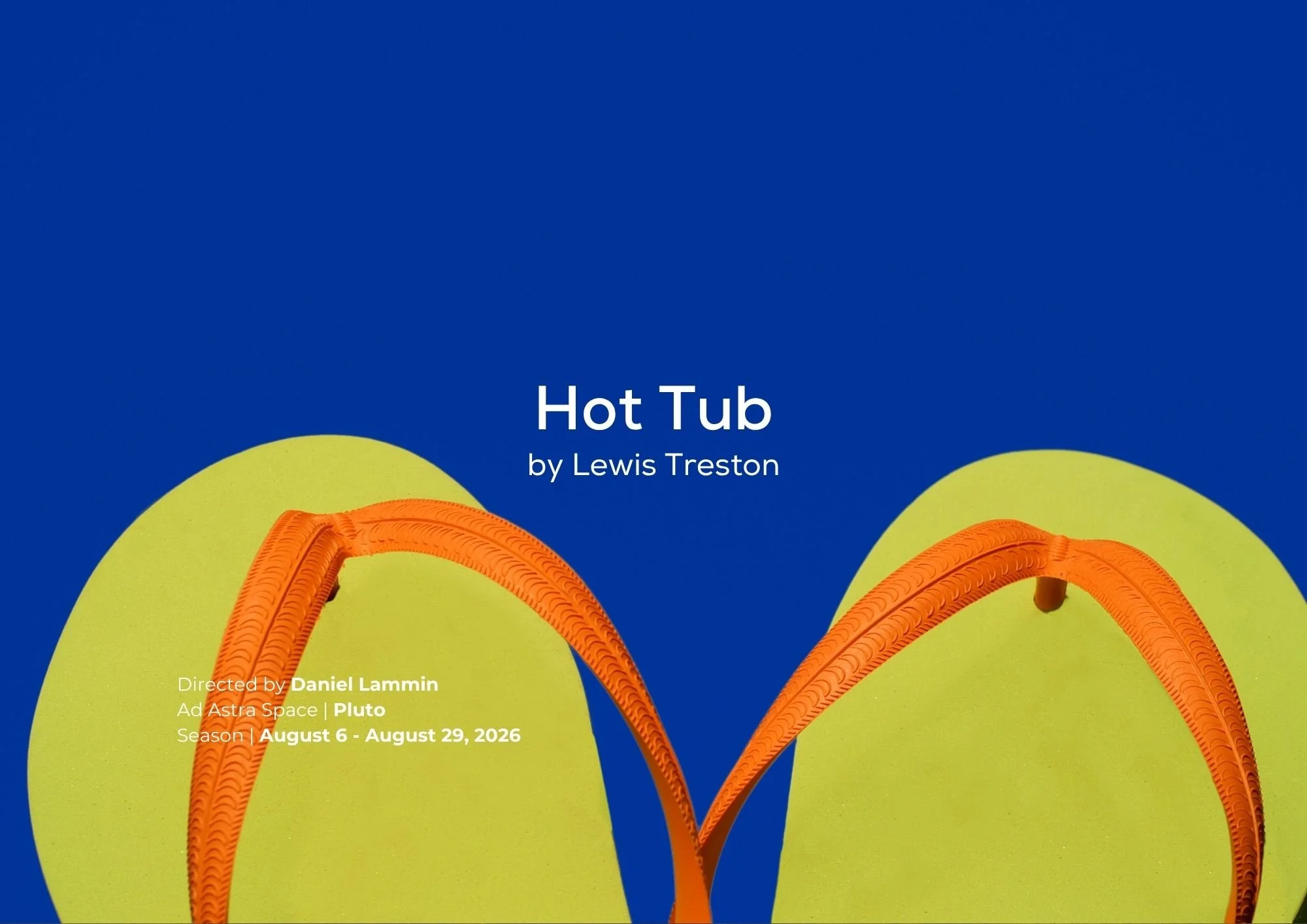
Show Poster
Reviews
“Hot Tub” is the Gold Coast turned up to maximum volume: excessive, tacky, deeply dysfunctional and very, very funny. Local, contemporary and gleefully exaggerated, it takes a place Australians already know through holidays, high-rises, theme parks and aspirational shine, then pushes its chaos until it becomes at-once ridiculous and familiar. It is easy to ride the wave of its outrageous comedy, even as darker ideas about money, status and family trauma keep surfacing through the laughs, making it an unhinged reminder that life may be a beach, but only until things get too hot.
Meredith Walker - Blue Curtains | Read Full Review Here
“Hot Tub performed by Ad Astra does not shy away from portraying the Gold Coast as the glitzy, phony mess it is, but instead forces you to love it and the kooky characters that reside there.”
Molly O’Dempsey - Scenestr | Read Review Here
“Presented by a super-talented cast and crew, Ad Astra has a serious hit on their hands with Lewis Treston’s Hot Tub.”
Beth Keehn - Stage Whispers | Read Review Here